DbcultAccessing Vault...
6.8/10
Senior Film Conservator
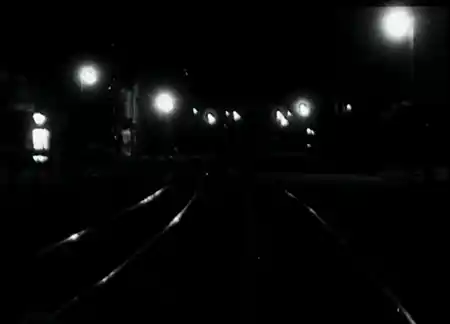
A definitive 6.8/10 rating for a film that redefined the boundaries of cult cinema. Ne zaderzhivajte dvizheniya remains a cornerstone of transgressive art.
Alright, so 'Ne zaderzhivajte dvizheniya' — which, if my rusty Russian serves, means something like **'Do Not Delay Movement'** — is definitely not for a Friday night popcorn crowd. If you're chasing explosions or a neat story arc, turn back now. But if you’re the kind of film watcher who enjoys digging into *odd, quiet pieces* from another time, maybe even *a little bit slow*, then yeah, this one might just stick with you. 🧐
It’s a peculiar film, this one. It feels less like a story with a beginning and end, and more like someone just pointed a camera at a situation, or a series of moments. You spend a lot of time just *watching* things unfold, or sometimes, not unfold at all.
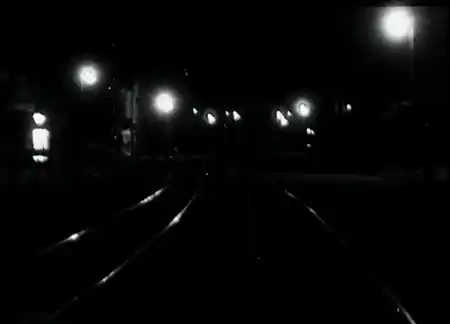
The title really sets the tone. 'Do Not Delay Movement.' And yet, the film itself often feels like it's doing exactly that. It deliberately holds back, letting scenes breathe, sometimes to the point of a quiet, almost *unnerving* stillness. It’s a bit of a contradiction, I guess, that kinda works.
You get these moments where the camera just *holds*. Like, really holds. On a face, on a street corner, on a *doorway*. There's a particular shot of Nikolai Palnikov just looking out a window. It goes on for maybe 15 seconds too long, and you start to wonder what he’s thinking, or if he’s thinking anything at all. It’s effective, in a strange way.
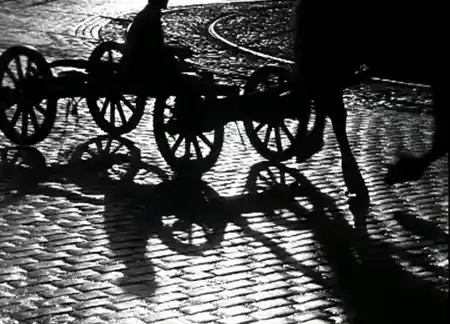
The actors aren't really 'performing' in a showy way. They just *are*. Vyacheslav Gomolyaka has this almost stoic presence, even when he’s just walking from one room to another. You kinda follow him. Viktor Rakovskiy, too, has some quiet moments that feel very real, very grounded.
The rhythm of the film is what really gets you. It's not fast, not slow. It's just… *its own pace*. Like a steady, old clock. The editing, it’s not flashy at all. In fact, some cuts feel almost… *abrupt*, like they just ran out of film on that take and went to the next. It gives it a very raw, almost documentary-like feel sometimes. Not always pretty, but *authentic*.
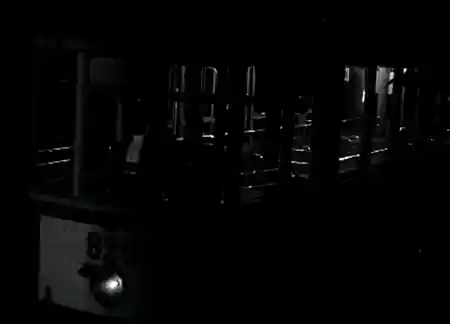
There's one scene involving some sort of paperwork or a transaction, and the way the camera tracks the hand reaching for a document, it feels incredibly deliberate. It's a small thing, but it highlights this idea of constant, necessary, but often *unseen* movement, or rather, *process*.
The dialogue is sparse. Very sparse. You learn a lot more from people’s expressions, or the way they shift their weight. O. Petrishina, for example, has this one look of quiet resignation that speaks volumes without a single word. It’s really good acting, in a very understated way.
This isn't a film about big emotional arcs or grand statements. It’s more about the little things. The almost imperceptible shifts. The way life just… *moves*, regardless of whether we notice it. Or delay it. It's quite a thought, actually. 🤔
So, should you watch it? If you're patient, and enjoy a cinematic experience that feels more like an *art installation* than a typical movie, then absolutely. If you want to feel like you've seen something a little bit different, something that makes you lean in and truly *observe*, this is it. But if you need plot, speed, or a clear takeaway message, this one will probably just frustrate you. It really is a niche watch. 🎬

IMDb 6.4
1928
Community
Log in to comment.