DbcultAccessing Vault...
Cult Review
Senior Film Conservator
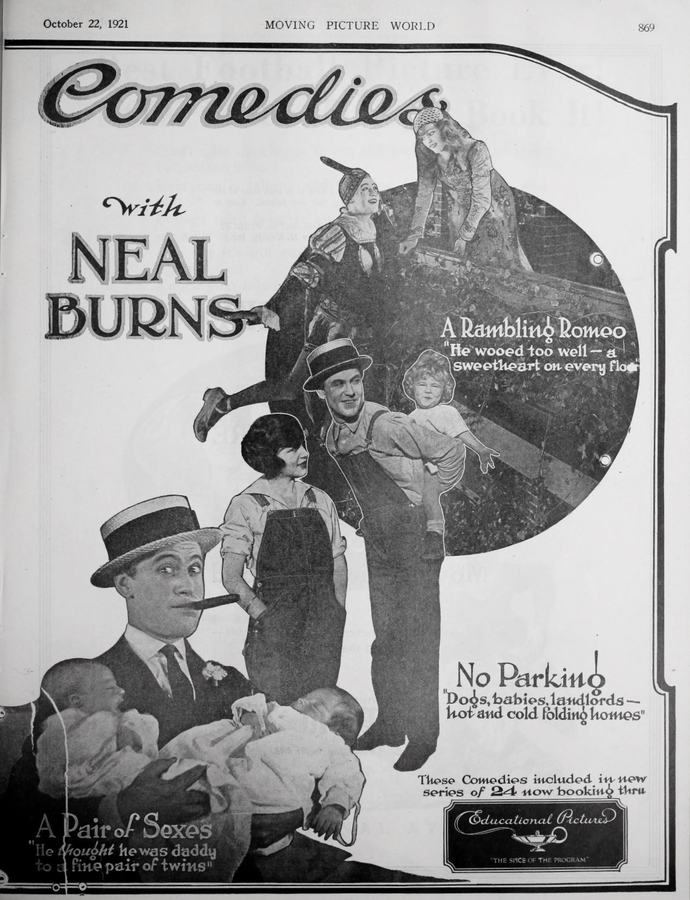
A Flivver, a Bungalow, and a Baby: A Comedy of Errors in the Age of Modernity
In the annals of pre-Code cinema, few films encapsulate the dissonance between human aspiration and institutional inertia as vividly as No Parking (1920s). This largely forgotten gem, helmed by Frank Roland Conklin, is a masterclass in physical comedy, yet its heart lies in the subversive wit with which it dissects the American dream’s underpinnings. The film’s narrative, a cascade of escalating mishaps, is less about the journey and more about the futility of the journey itself—a metaphor for the human condition in an era of rapid industrialization and shifting social mores.
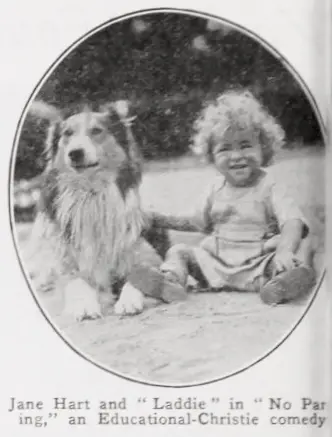
The story follows a nuclear family—husband, wife, infant, and a loyal canine companion—as they embark on a road trip to California, their flivver packed to the brim with the trappings of domesticity. Their quest for lodging, however, is thwarted by a society that frowns upon both newborns and pets. This exclusionary logic, rendered in stark visual gags (hotel clerks peering at the baby with exaggerated horror, barking dogs as if to say, "You do not belong here"), sets the stage for a series of absurd encounters. The family’s decision to purchase a portable bungalow becomes the catalyst for a series of misadventures that blur the line between autonomy and entrapment.
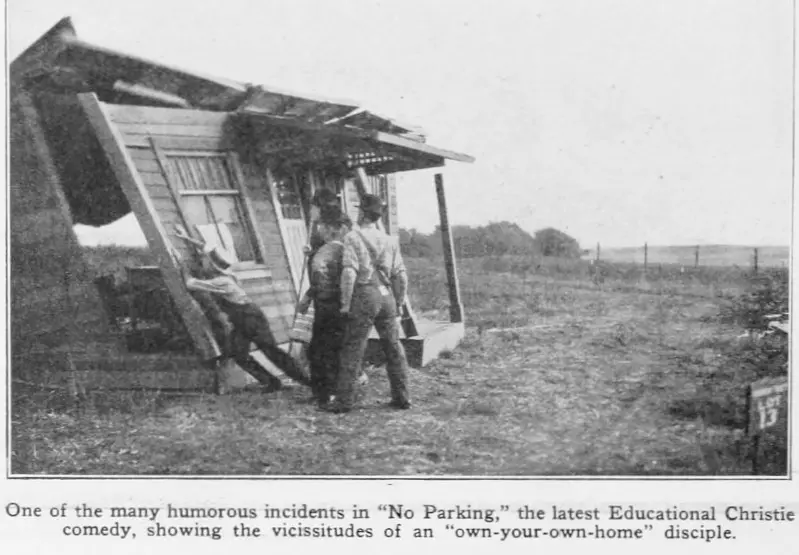
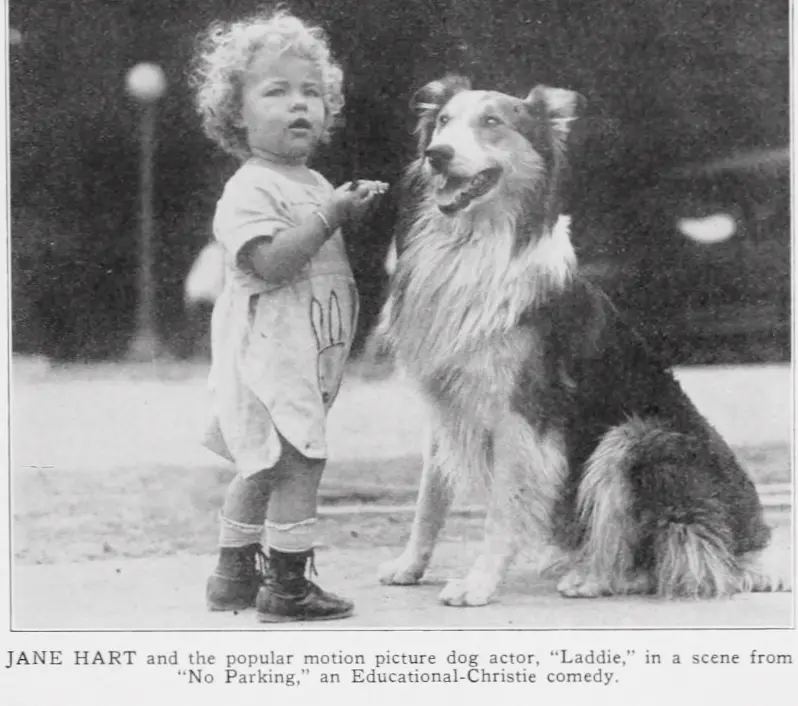
Consider the moment when the family, in their enthusiasm to settle down, mistakenly erects the bungalow atop the baby’s cradle. The camera lingers on Jane Hart’s face as she processes this revelation—her expression a mix of disbelief and resignation. The subsequent demolition of the structure, only to rebuild it anew, mirrors the cyclical nature of bureaucratic hurdles. The real-estate agent’s arrival, with his clipboard and paternalistic smirk, becomes the first of many encounters with authority figures who enforce rules without understanding their consequences. The house, dragged through the town on wheels, becomes a symbol of both mobility and immobility—a paradox that defines the family’s plight.
Conklin’s genius lies in his ability to extract humor from the mundane and the mundane from the surreal. The baby’s role as an accidental oil well discoverer is a stroke of narrative audacity, transforming the infant from a passive victim of circumstance into an unwitting capitalist. This twist, though played for laughs, carries a biting critique of the era’s resource exploitation. Mud pies as crude oil—a child’s innocent plaything becomes the engine of adult greed. The juxtaposition of the baby’s innocence with the family’s desperation to monetize the discovery underscores the film’s darker undercurrents.
The cast, particularly Hart, delivers performances that are both grounded and exasperated. Her character’s resilience is tested at every turn, yet she retains a quiet dignity that contrasts with the escalating absurdity of her circumstances. Laddie the Dog, though a silent scene-stealer, becomes the emotional anchor of the film, his loyalty a counterpoint to the chaos surrounding him. The supporting actors—Neal Burns as the husband, a man perpetually one step behind the unfolding disaster, and Helen Darling as a neighbor who alternates between sympathy and bewilderment—add layers of nuance to the farce.
Visually, No Parking is a triumph of early cinema’s ingenuity. The portable bungalow, a marvel of miniature set design, is rendered with such detail that its destruction is almost mournful. The sequence where the house is towed through town, the rope snapping at a critical moment, is a masterclass in comedic timing. The camera work, though rudimentary by today’s standards, captures the physicality of the chaos with a clarity that enhances the humor. The use of wide shots to emphasize the family’s isolation against vast, indifferent landscapes (deserts, highways, bureaucratic offices) reinforces the theme of human vulnerability in a mechanized world.
Thematically, the film interrogates the myth of the American frontier. The family’s journey to California, a state synonymous with opportunity, becomes a labyrinth of red tape and exclusionary policies. The portable bungalow, a symbol of the nomadic yet aspirational American, is repeatedly denied a place to settle, mirroring the struggles of migrants and marginalized communities. The final confrontation with building inspectors—requiring permits for a structure already dismantled—serves as the film’s apex of absurdity, a bureaucratic punchline that transcends individual hardship to comment on systemic failure.
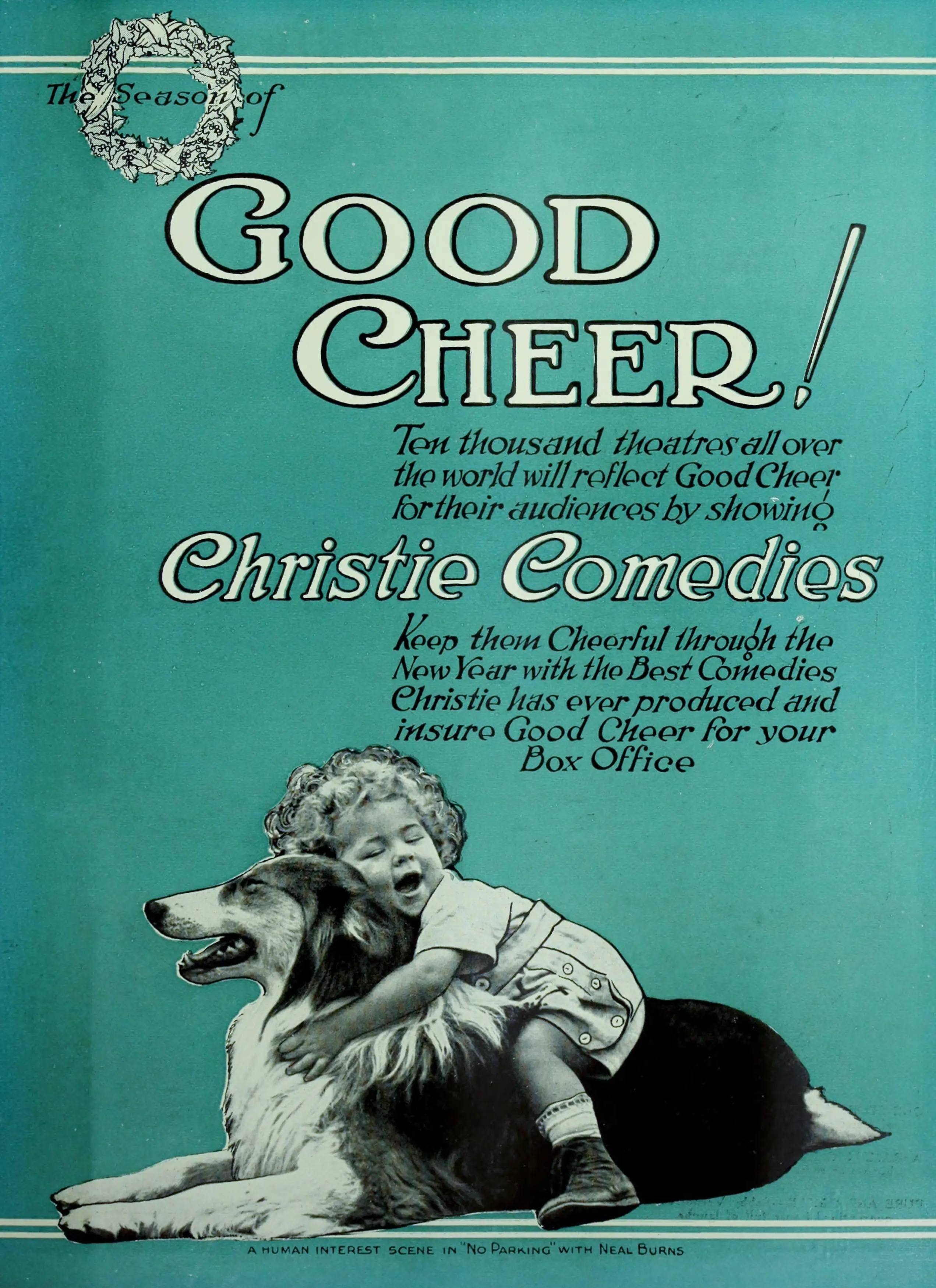
Comparisons can be drawn to Cissy’s Financial Flivver, which shares a similarly satirical take on domestic life, yet No Parking distinguishes itself through its darker undertones. The infant’s oil well, a nod to the era’s petroleum boom, echoes the themes of In Search of the Castaways in its juxtaposition of innocence and exploitation. Meanwhile, the bureaucratic farce bears resemblance to The Traveling Salesman, though No Parking is more concerned with the futility of individual effort against institutional inertia.
Critically, the film has been overshadowed by more technically ambitious works of its era. However, its enduring relevance lies in its prescient commentary on the fragility of stability. The family’s repeated failures to secure a permanent home resonate with contemporary anxieties about housing insecurity and the erosion of community. The infant’s accidental wealth, while a comedic device, also serves as a reminder of how economic power often accumulates through serendipity rather than merit—a theme that remains acutely relevant in debates about wealth inequality.
For modern audiences, No Parking offers a fascinating snapshot of early 20th-century sensibilities, rendered through a lens of slapstick and satire. Its legacy is cemented not only by its technical achievements but by its unflinching examination of the human condition. In an age where the lines between progress and absurdity grow ever thinner, Conklin’s film remains a poignant, if humorous, mirror to our own struggles with autonomy and belonging.
The film’s final act, in which the family—now oil-rich but still homeless—contemplate their next move, lingers on the infant’s face, a silent question mark in a world of chaos. It is a fitting conclusion to a story that, for all its physical comedy, grapples with the existential question of where one truly belongs. No Parking may not offer answers, but it captures the enduring human spirit in the face of impossible odds—a testament to the power of laughter as both a weapon and a shield.
IMDb 5.9
1922
Community
Log in to comment.