DbcultAccessing Vault...
5.2/10
Senior Film Conservator
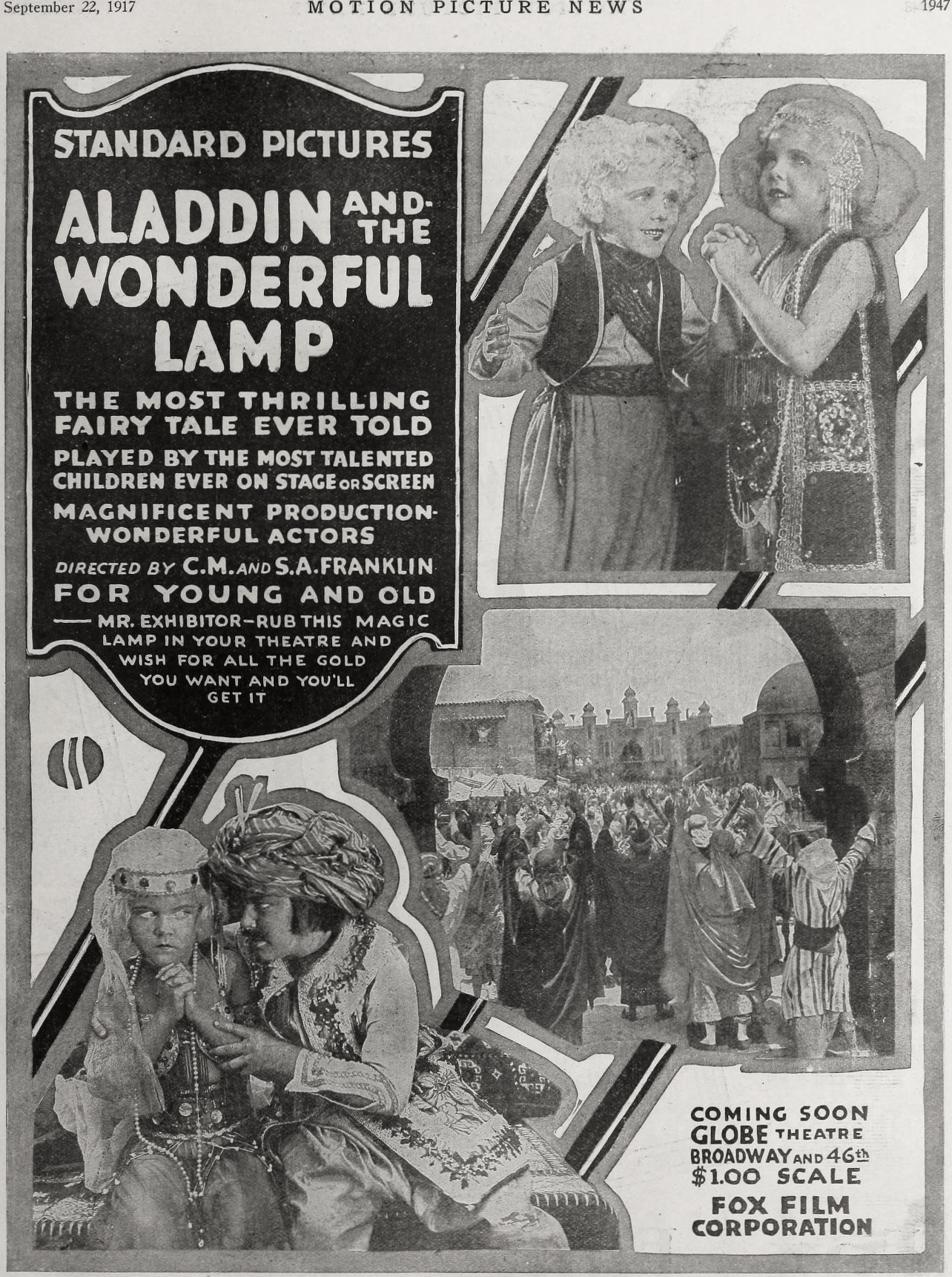
A definitive 5.2/10 rating for a film that redefined the boundaries of cult cinema. Aladdin and the Wonderful Lamp remains a cornerstone of transgressive art.
Stepping back into the nascent days of cinematic storytelling, one encounters a truly remarkable artifact: the 1917 production of 'Aladdin and the Wonderful Lamp'. This isn't merely an adaptation; it's a bold, visionary undertaking, particularly for its era. What immediately arrests the attention, and indeed forms the very bedrock of its unique appeal, is the audacious decision to cast an entire ensemble of child actors in roles traditionally reserved for adults. In a period where film was still very much finding its voice, Bernard McConville’s script, under the direction that brought this vision to life, dared to imagine the grandeur of the Arabian Nights through the innocent, unblemished gaze of youth.
The choice to populate the fantastical landscapes of Baghdad with child performers was nothing short of revolutionary. Imagine the challenge: conveying the intricate emotional tapestry of love, betrayal, magic, and power, all without spoken dialogue, and through the relatively unseasoned talents of children. Yet, this gamble pays off handsomely. Gertrude Messinger, as the titular Aladdin, imbues the character with a guileless charm and an understated determination that is utterly captivating. Her youthful features lend an authentic sense of wonder to Aladdin’s discovery of the lamp and his subsequent encounters with the djinni. It’s a performance that, despite its silent nature, speaks volumes about nascent ambition and the purity of heart often attributed to such folk heroes.
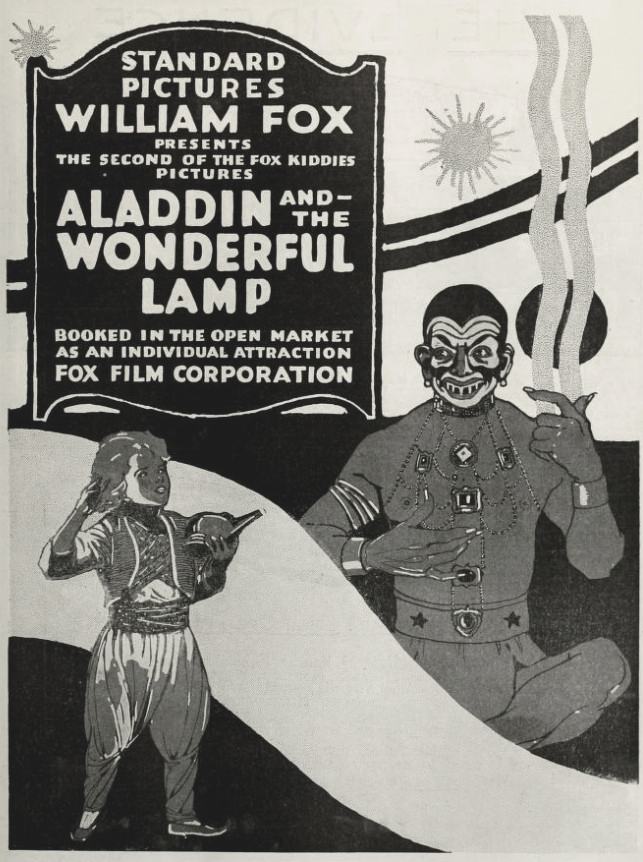
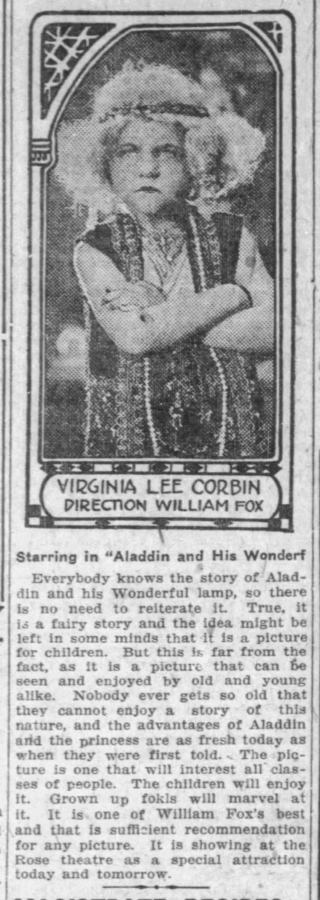
Similarly, Virginia Lee Corbin's portrayal of Princess Badr al-badr is a revelation. She manages to convey royal grace, burgeoning romantic interest, and genuine distress with a maturity that belies her tender years. The chemistry, though innocent and chaste, between Messinger and Corbin is palpable, adding a layer of poignant sweetness to their fated romance. Buddy Messinger, Alfred Paget, and the myriad other young actors, including Violet Radcliffe and Francis Carpenter, contribute to this vibrant tapestry, each bringing a distinct energy to their respective roles, from the nefarious sorcerer’s apprentice to the loyal subjects. Their collective effort creates a believable, if idealized, world where magic is not just a plot device, but a tangible, awe-inspiring force that children would naturally embrace with open hearts.
"The film's daring reliance on its youthful cast creates a unique emotional resonance, allowing the audience to experience the 'Arabian Nights' not as a distant myth, but as a vivid, immediate adventure through the eyes of those who might most truly believe in its magic."
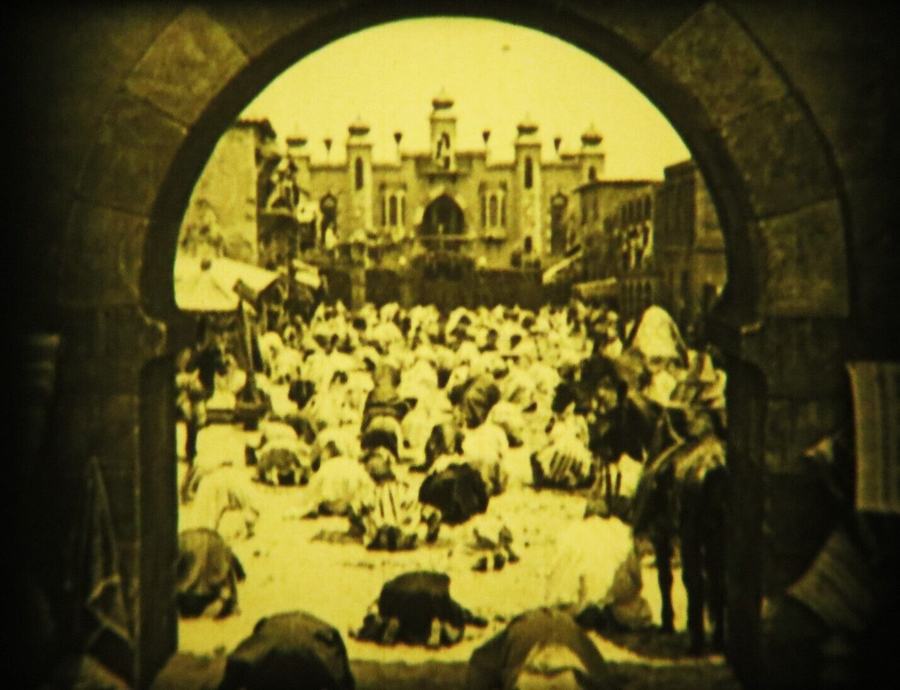
Beyond its innovative casting, 'Aladdin and the Wonderful Lamp' stands as a testament to the visual ingenuity of early cinema. The production design, while perhaps quaint by today's standards, was undoubtedly ambitious for 1917. Sets evoking the bustling marketplaces of Baghdad, the opulent palace interiors, and the desolate cave where the lamp is found, all contribute to a rich, immersive atmosphere. Cinematography, though constrained by the technology of the time, employs clever staging and lighting to enhance the magical elements. The appearance of the genies, for instance, relies on rudimentary but effective special effects, utilizing dissolves and superimpositions that, even now, retain a certain spectral charm. These visual flourishes were crucial in a silent film, where every frame had to communicate narrative and emotion without spoken words, much like the intricate storytelling found in the more dramatic The Sacrifice of Pauline or the grand historical sweep of Le nabab, both requiring a similar reliance on strong visual cues.
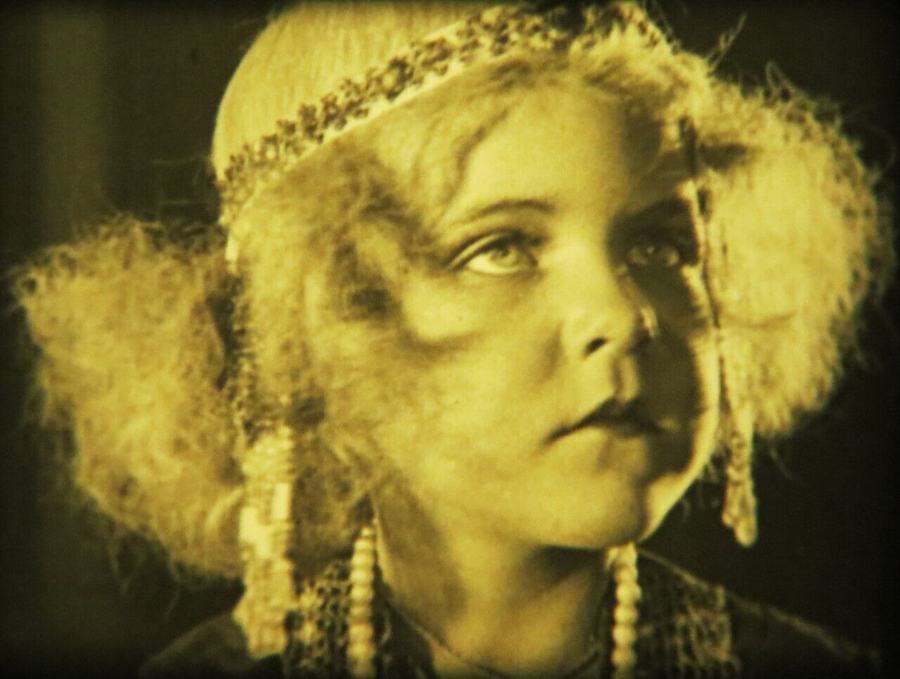
The costumes, too, are noteworthy. The flowing robes, exotic headwear, and glittering jewels transport the viewer directly into the heart of the mythical Orient. The attention to detail, even in the background players, speaks to a dedicated effort to create a believable fantasy world. In an era before sophisticated computer-generated imagery, the filmmakers had to rely on tangible artistry, and it shows. This tangible quality gives the film a grounded, almost theatrical feel, differentiating it from later, more effects-driven adaptations. It’s a reminder that imagination, coupled with practical craftsmanship, can conjure worlds just as potent as any digital marvel.
Bernard McConville’s screenplay, adapting a tale that has been told countless times, manages to retain the essential beats of the story while streamlining it for the silent screen. The narrative flows with a commendable clarity, largely thanks to well-placed intertitles that guide the audience through the plot's twists and turns. The pacing is deliberate, allowing moments of wonder and suspense to breathe, but never dragging. The cyclical nature of Aladdin's fortunes – from poverty to wealth, loss, and eventual triumph – is effectively conveyed. The dramatic confrontations with the wicked sorcerer, Elmo Lincoln, are rendered with a theatrical flair characteristic of the period, though seen through the lens of youthful protagonists. The simplicity of the storytelling is its strength, allowing the universal themes of good versus evil, destiny, and the transformative power of love to shine through.
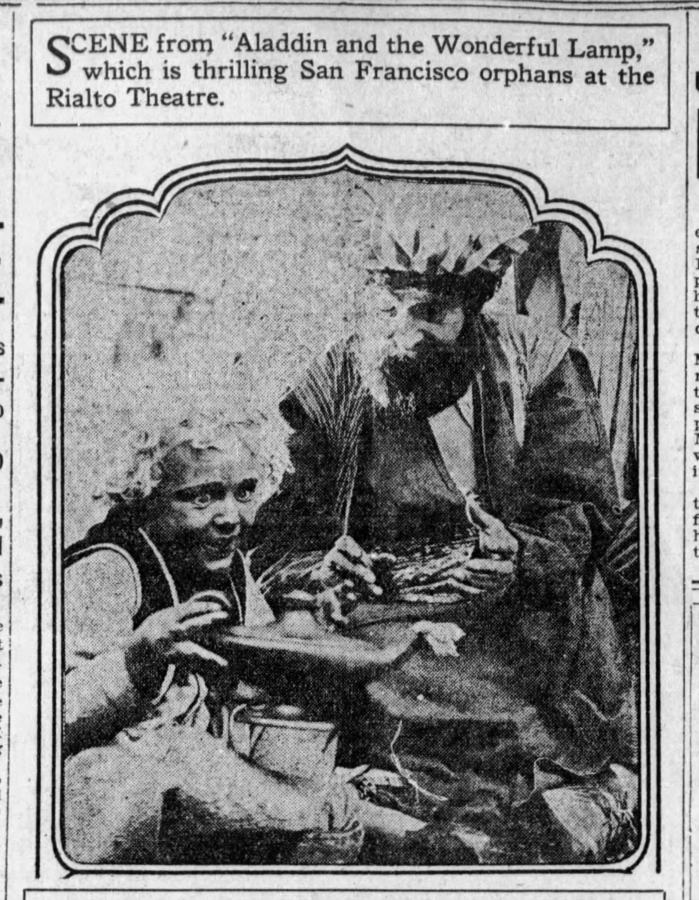
One might compare its narrative straightforwardness to other films of the time, like Where Love Leads or Lena Rivers, which also relied on clear plot trajectories and easily identifiable character motivations. However, 'Aladdin' distinguishes itself by injecting a fantastical element that demands a different kind of suspension of disbelief, one that the child actors, with their inherent innocence, help to cultivate effortlessly. The film doesn't shy away from the darker aspects of the tale – the sorcerer's malevolence, the dangers Aladdin faces – but these are always tempered by the prevailing sense of adventure and the ultimate triumph of virtue.
At its heart, 'Aladdin and the Wonderful Lamp', especially through the performances of its young cast, explores profound themes. The most striking is the idea of innocence meeting immense power. Aladdin, a mere boy, suddenly holds the fate of a kingdom in his hands, wielded by the genies he commands. This juxtaposition highlights the responsibility that comes with power, even when acquired by chance. The film also touches upon social mobility, a common theme in many narratives, but here it's filtered through a magical lens. Aladdin's journey from rags to riches isn't just about wealth; it's about earning respect, proving his worth, and ultimately winning the love of a princess, not through deceit, but through courage and ingenuity.
The film subtly champions the idea that even the most unassuming individual can achieve greatness, a message that resonates particularly strongly when delivered by child protagonists. This sense of youthful empowerment is a refreshing departure from the more cynical or world-weary narratives sometimes found in contemporary cinema, such as the social commentary in The Truth Wagon or the intricate character studies of Colonel Carter of Cartersville. Here, the world is still brimming with possibilities, and magic is a benevolent, if sometimes dangerous, force that can right wrongs and fulfill dreams.
In a broader historical context, 'Aladdin and the Wonderful Lamp' offers a fascinating window into early Hollywood filmmaking. The ambition to produce such a large-scale fantasy, especially with such a unique casting choice, speaks to the burgeoning creativity and risk-taking spirit of the era. It demonstrates a willingness to experiment with narrative forms and performance styles, pushing the boundaries of what cinema could achieve. The film, along with others of its time, was instrumental in shaping the grammar of visual storytelling that would evolve rapidly in the coming decades. It holds a significant place not just as an adaptation of a beloved tale, but as a pioneering effort in fantasy filmmaking and in showcasing the untapped potential of child actors.
While not as widely remembered as some of its more dramatic or comedic contemporaries, such as His Picture in the Papers or Flirting with Fate, 'Aladdin and the Wonderful Lamp' nevertheless carved out its own niche. It's a film that resonates for its sheer earnestness and the innovative spirit it embodies. For silent film enthusiasts, or anyone interested in the evolution of fantasy cinema, it is an essential viewing experience. Its charm lies in its simplicity, its visual ingenuity, and most importantly, in the captivating performances of its young stars who, through their silent gestures and expressive eyes, managed to bring a timeless legend to vibrant, magical life.
The film leaves a lasting impression, not just as a historical curiosity, but as a genuinely enchanting piece of cinema. It reminds us that magic on screen doesn't always require cutting-edge technology; sometimes, it merely requires a compelling story, dedicated artistry, and the unadulterated belief that only youth can truly embody. The adventures of Aladdin and Princess Badr al-badr, as told through the compelling performances of Gertrude Messinger, Virginia Lee Corbin, and their fellow child actors, stand as a charming testament to the enduring power of storytelling and the boundless imagination of early filmmakers. It’s a nostalgic journey back to a time when film was still discovering its voice, and in doing so, found a unique way to sing a familiar tune with unprecedented sweetness and wonder. Much like the poignant narratives in films like Little Lady Eileen or the adventurous spirit of A Son of Erin, this film captures a specific, innocent spirit of its age, but channels it through a fantastical lens that remains captivating. It’s a lovely, often overlooked gem that deserves renewed appreciation for its daring vision and timeless appeal.
IMDb 5.5
1934
Community
Log in to comment.