DbcultAccessing Vault...
Cult Review
Senior Film Conservator
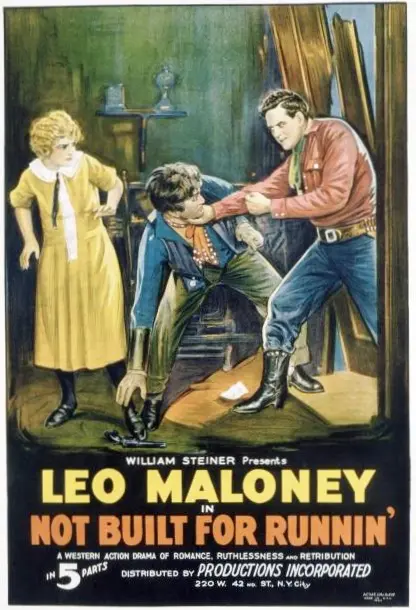
In the realm of classic cinema, certain films transcend their humble beginnings, etching themselves into the collective consciousness of audiences worldwide. 'Not Built for Runnin'' (1936), directed by Ford Beebe, is one such cinematic treasure, expertly weaving a narrative of courage, loyalty, and the unyielding human spirit.
The film's protagonist, Sonny Jack, portrayed by Bud Osborne, is an archetypal hero, embodying the virtues of valor and determination. His stuttering friend, Griz, played by Tom London, provides a poignant counterpoint, underscoring the complexities of human relationships and the power of friendship.
The narrative unfolds on the rural ranch of Lou Coberly, played by Josephine Hill, a strong-willed and enigmatic figure, whose financial woes threaten the very survival of her enterprise. It is here that Sonny and Griz find employment, despite their employer's inability to pay them. This fateful decision sets in motion a chain of events that will forever alter the lives of the characters.
As Sonny's courageous nature precipitates a confrontation with a neighboring rancher, the stakes are raised, and the tension builds. The rancher's duplicitous scheme to kidnap Lou is thwarted by Sonny's perspicacity, as he astutely discovers the rancher's paternal relationship with Lou. This poignant reunion serves as a testament to the power of family bonds and the enduring human spirit.
Throughout the film, the cinematography is noteworthy, capturing the rugged beauty of the rural landscape, while the performances are convincing, bringing depth and nuance to the narrative. The supporting cast, including Leo D. Maloney, Won Lefong, and Eva Thatcher, add richness to the story, creating a believable and immersive world.
In comparison to other films of its era, 'Not Built for Runnin'' shares thematic similarities with 'Without Evidence' (1935), which also explores the complexities of human relationships and the power of determination. Similarly, 'Ludzie bez jutra' (1937) and 'Die toten Augen' (1937) feature protagonists navigating treacherous circumstances, underscoring the universality of the human experience.
The film's romantic subplot, culminating in Sonny's triumph as he secures the affections of his enigmatic employer, adds a touching dimension to the narrative. This courtship serves as a testament to the power of love and redemption, even in the most adverse circumstances.
In conclusion, 'Not Built for Runnin'' is a masterful work of cinematic storytelling, boasting memorable performances, stunning cinematography, and a narrative that resonates deeply with audiences. For fans of classic cinema, this film is an essential viewing experience, offering a glimpse into a bygone era, while timeless themes and universal emotions ensure its continued relevance.
Additional films that may be of interest to fans of 'Not Built for Runnin'' include 'The Shoes That Danced' (1924), 'The Eternal Sin' (1927), and 'Her Own People' (1926), all of which share elements of drama, romance, and the human condition.
Ultimately, 'Not Built for Runnin'' stands as a testament to the power of cinema to captivate, inspire, and educate audiences. As a film critic, it is a pleasure to recommend this hidden gem to readers, ensuring that its enduring legacy continues to inspire future generations of film enthusiasts.
IMDb —
1921
Community
Log in to comment.