DbcultAccessing Vault...
5.4/10
Senior Film Conservator
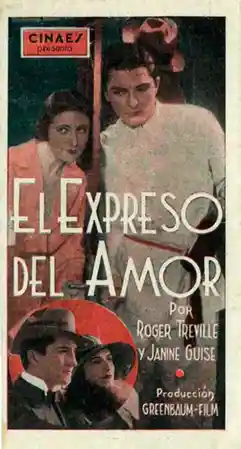
A definitive 5.4/10 rating for a film that redefined the boundaries of cult cinema. Nuits de Venise remains a cornerstone of transgressive art.
Alright, so you’ve stumbled across Nuits de Venise, which translates to “Nights of Venice,” and you’re wondering if it’s worth your time today. Look, if you’re someone who loves digging into film history, or just enjoys the unique vibe of early European cinema, then **yes, absolutely** give it a shot. But if you’re hoping for something to just kick back and put on after a long day, this isn’t it. You’ll probably find it slow, maybe even a little confusing without a modern narrative, and definitely quiet.
This film is a real trip back in time, like opening a dusty old photo album. It transports you to a Venice that feels more like a dream than a real place, all soft focus and dramatic shadows. The canals and ancient buildings become characters themselves, almost.
The whole thing feels like a stage play put on film, which isn't a bad thing. The actors, like Roger Tréville and Florelle, really have to sell it with their faces and gestures. You see these wide eyes and exaggerated movements, and it’s a constant reminder of how much performance has changed.
There's this one shot, I think it’s of a gondola drifting under a bridge, and it just hangs there for ages. It lets the scene breathe, but it also kinda makes you check if your player is paused. You know? 😅 But then the light hits the water just so, and you realize *that’s* the point. It’s all about these little moments.
The pacing is… deliberate. If you’re used to modern editing, where cuts happen every few seconds, this will feel like a different planet. Dialogue, of course, is handled through intertitles, which always makes you wait a beat. It's not a narrative rush; it’s more of a slow, unfolding observation.
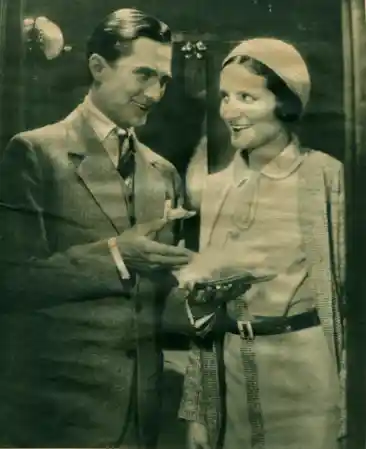
I found myself wondering a lot about the actual mechanics of filming back then. Like, how many takes did they do for a scene with a simple nod? The crowd scenes sometimes feel a bit sparse, not quite the bustling Venice you imagine. It's like half the extras were off getting coffee, or maybe they just didn't have many extras. Who knows?
Florelle has this _intense_ gaze in a few close-ups. It’s a look that just sticks with you, full of unspoken feeling. It’s powerful, even without a single word spoken aloud. That’s when the film really shines, when you connect with those raw, human expressions.
And the costumes! Very period appropriate, obviously. Lots of flowing fabrics and formal wear that just screams 1920s elegance. It adds to that whole dreamlike quality. You can almost feel the silk. ✨
Is it a masterpiece? Probably not in the way we talk about films today. But it’s an important piece of history. It shows you how storytelling worked before sound, before quick cuts, before special effects were even a twinkle in anyone’s eye. It's a reminder that sometimes, less truly is more, especially when you're relying on atmosphere and raw human emotion.
It’s a film that asks for your patience, but it offers a unique reward: a quiet journey to a forgotten Venice, seen through the eyes of filmmakers long gone. If that sounds like your kind of adventure, grab a warm drink and settle in. If not, there are plenty of other boats in the canal. 🛥️
IMDb 6.7
1925
Community
Log in to comment.