DbcultAccessing Vault...
6.7/10
Senior Film Conservator
A definitive 6.7/10 rating for a film that redefined the boundaries of cult cinema. Lady of the Night remains a cornerstone of transgressive art.
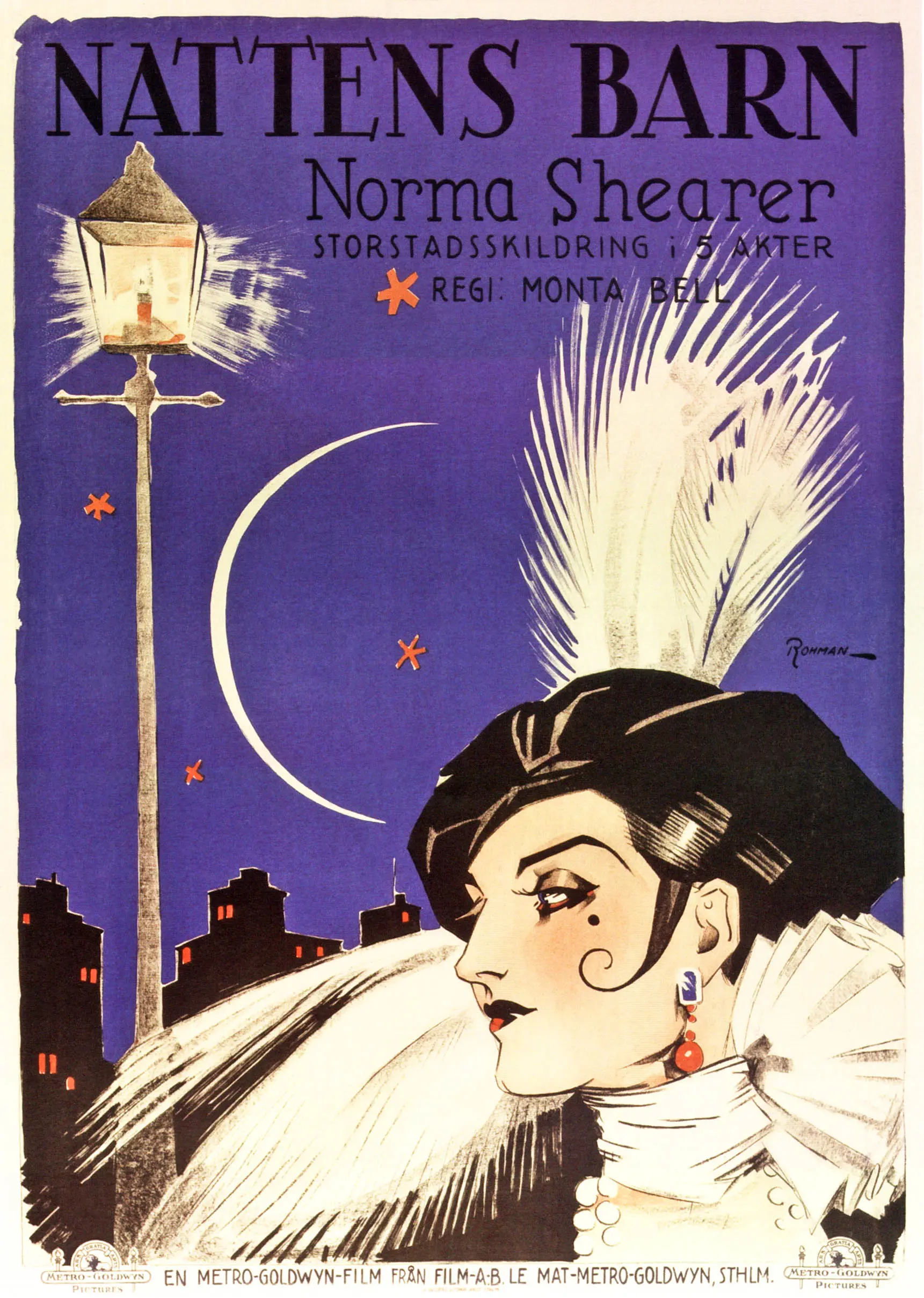
Stepping back into the silent era often feels like entering a dreamscape, a world rendered in stark monochromes yet bursting with an emotional vibrancy that transcends the absence of spoken dialogue. Maurice Tourneur’s 1925 masterpiece, Lady of the Night, is precisely one such cinematic reverie. It’s a film that doesn't merely tell a story; it paints a vivid, often heartbreaking tableau of human desire, societal constraints, and the relentless pursuit of respectability. At its core lies a dual performance by the incomparable Norma Shearer, a feat of acting that solidified her status as a formidable talent long before the talkies arrived. This isn't just a historical artifact; it's a living, breathing narrative that continues to resonate with its exploration of identity, sacrifice, and the elusive nature of a second chance.
The film plunges us into the contrasting worlds of two women, both named Jerry, yet separated by the chasm of class and circumstance. One Jerry (Norma Shearer) is a dance hall girl, her life a perpetual tightrope walk between survival and scandal. She inhabits the gritty, pulsating underbelly of urban life, where every smile can be a transaction and every gesture carries a hidden cost. Her existence is defined by the ephemeral glamor of cheap entertainment and the harsh realities of a society quick to judge. The other Jerry (also Norma Shearer) is a refined socialite, a beacon of purity and privilege, whose life unfolds amidst the gilded cages of high society. The brilliance of Tourneur's direction, coupled with Shearer's nuanced portrayal, ensures that these two characters, despite their identical visages, possess distinct souls, their internal landscapes as different as night and day.
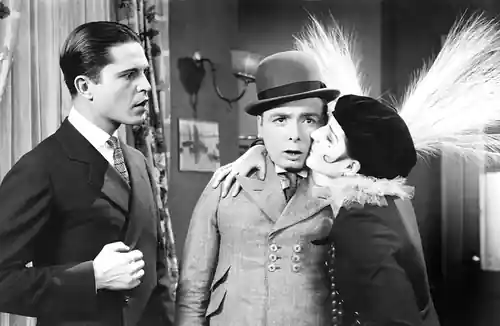
Our primary focus, however, rests on the working-class Jerry. Her aspirations transcend the immediate gratification of her surroundings; she yearns for something more profound, something that whispers of domesticity, stability, and genuine affection. This yearning crystallizes in her infatuation with David (Malcolm McGregor), an earnest young inventor whose dreams are as pure and unblemished as her own are sullied by experience. David represents a pathway to a different life, a chance to shed the heavy cloak of her past and embrace a future where she might be seen not for what she does, but for who she truly is. This romantic ideal, however, is constantly challenged by the pragmatic realities of her environment. Her friend, Florence (a spirited Joan Crawford in an early, memorable role), offers a stark contrast, embodying the cynical resilience necessary to navigate their world without illusions.
The narrative, penned by the talented duo of Adela Rogers St. Johns and Alice D.G. Miller, is a masterclass in dramatic irony and emotional depth. It meticulously constructs a scenario where the two Jerrys become entangled through a series of fateful events, ultimately leading to a profound moral dilemma. The inventor, David, initially drawn to the socialite Jerry, unknowingly falls in love with the dance hall Jerry, who, in a desperate bid for respectability, attempts to masquerade as her doppelgänger. This intricate web of mistaken identity and concealed truth forms the dramatic backbone of the film, exploring the profound question of whether love can truly transcend social standing and past transgressions. It’s a theme that echoes through cinematic history, often seen in narratives where individuals strive to overcome their origins, much like the struggles depicted in films such as Man and Wife, which similarly explores the societal pressures on relationships, or even the more overtly melodramatic The Heart of Jennifer.
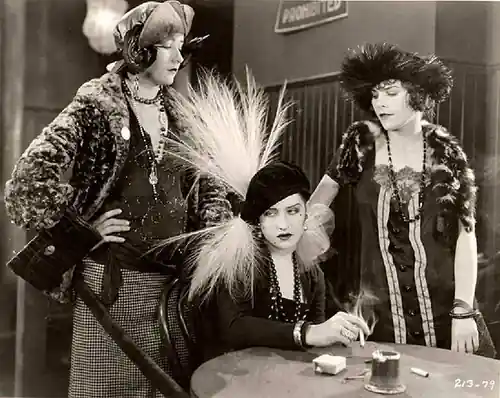
Norma Shearer's performance is, quite simply, breathtaking. Her ability to convey two entirely different personalities with subtle shifts in posture, gaze, and gesture is a testament to her prodigious talent. As the dance hall Jerry, she projects a captivating blend of weariness and longing, her eyes betraying a soul that yearns for deliverance. As the socialite Jerry, she exudes an almost ethereal grace, a delicate beauty unburdened by the world's harsh realities. It's a tour de force that commands attention, showcasing a range that many actors struggle to achieve even with the benefit of sound. Her emotional authenticity anchors the entire film, making the audience deeply invested in the fate of both women, even as their paths diverge and converge in unexpected ways.
Tourneur’s direction is equally commendable. He masterfully uses visual storytelling, a necessity in the silent era, to convey complex emotions and intricate plot points. The cinematography, with its evocative use of light and shadow, creates a palpable atmosphere, distinguishing the dingy dance halls from the opulent ballrooms. Every frame is meticulously composed, drawing the viewer's eye to the subtle cues that reveal character and advance the narrative. The pacing is deliberate, allowing moments of quiet introspection to breathe amidst the unfolding drama, a technique that allows the audience to fully absorb the emotional weight of each scene. The visual poetry of the film is undeniable, a testament to the artistry that defined silent cinema.
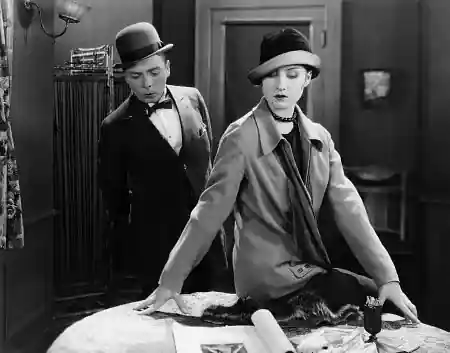
Beyond the central performances and masterful direction, Lady of the Night is a profound social commentary. It unflinchingly examines the rigid class structures of the time and the almost insurmountable barriers faced by those attempting to ascend the social ladder. The film poses a vital question: can one truly escape their past, or are societal labels indelible? The dance hall Jerry's struggle for acceptance is a poignant representation of countless individuals who, despite their inherent goodness and earnest desires, are perpetually judged by their origins or past mistakes. This theme of societal judgment and the quest for a new identity is a powerful undercurrent, offering a timeless reflection on human nature and the societal constructs that shape our lives. One might draw parallels to the struggles for personal agency and overcoming societal expectations seen in films like Burning the Candle, which also delves into the complexities of women navigating challenging social terrains.
The supporting cast, though often overshadowed by Shearer's brilliance, contributes significantly to the film's rich tapestry. Joan Crawford, as mentioned, brings a vibrant, unpolished energy to Florence, her character serving as a grounding force for the more idealistic Jerry. Her performance, though brief, hints at the star power she would soon command. Other cast members, including Ellinor Vanderveer, Constantine Romanoff, Dale Fuller, Philip Sleeman, Andy MacLennan, George K. Arthur, Malcolm McGregor, Fred Esmelton, Betty Morrissey, Gwen Lee, Aryel Houwink, Lew Harvey, and Carlton Griffin, each play their part in creating a believable and engaging world, from the stern countenances of society figures to the boisterous patrons of the dance halls.
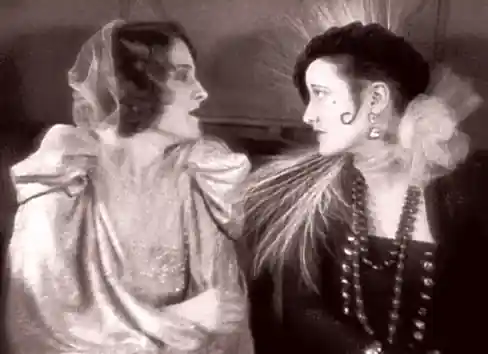
The film's ending, without giving too much away, is a bittersweet culmination of Jerry's journey. It eschews simplistic resolutions, instead opting for a more nuanced and emotionally resonant conclusion that speaks to the enduring power of love, sacrifice, and self-discovery. It’s an ending that lingers, prompting reflection on the choices we make and the compromises we accept in the pursuit of happiness and respectability. The moral ambiguities presented are handled with a sensitivity that elevates the film beyond mere melodrama, cementing its place as a significant work of early cinema.
In an era that often saw women confined to specific archetypes on screen, Lady of the Night offers a remarkably complex and empathetic portrayal of its female protagonist. It’s a testament to the foresight of its writers and director that they dared to explore such weighty themes with such grace and depth. The film challenges viewers to look beyond surface appearances, to question preconceived notions, and to recognize the inherent dignity in every individual, regardless of their station in life. This timeless message is one of its most enduring qualities, making it as relevant today as it was nearly a century ago.
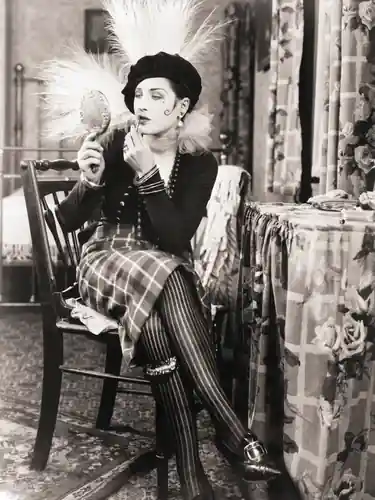
Revisiting Lady of the Night is more than just an academic exercise in silent film appreciation; it's an immersive emotional experience. It reminds us of the power of visual storytelling, the profound impact of a truly great performance, and the universal resonance of stories about love, longing, and the quest for acceptance. Norma Shearer's dual role remains a towering achievement, a masterclass in silent acting that deserves to be celebrated and studied. For anyone interested in the evolution of cinema, the artistry of early Hollywood, or simply a compelling human drama, this film is an absolute must-see. It’s a hidden gem that shines brightly, proving that the silent screen was anything but quiet when it came to profound human emotion.
The film's enduring legacy is also tied to its exploration of what it means to be a 'lady' in a society obsessed with appearances. Is it about birthright, wealth, or an inherent moral compass? The film suggests that true respectability comes from within, from integrity and the capacity for love and sacrifice, rather than from external validation or social standing. This nuanced perspective was quite progressive for its time, challenging the superficiality of societal norms. It’s a powerful narrative that invites contemplation on the true meaning of character and the often-unseen struggles beneath polished exteriors. The stark contrast between the two Jerrys forces the audience to confront their own biases and assumptions, making the film a truly engaging and thought-provoking experience even for modern audiences. It’s a reminder that silent films, far from being simplistic, often delved into profound philosophical questions with remarkable sophistication.
Moreover, the technical aspects of Lady of the Night are worth noting. The use of intertitles, while a necessity, is handled with poetic brevity, enhancing rather than interrupting the visual flow. The musical accompaniment, if viewed with a well-composed score (as many restored silent films now provide), adds another layer of emotional depth, guiding the audience through the film's triumphs and tragedies. It's a testament to the collaborative art form that was silent cinema, where every element, from performance to cinematography to score, worked in concert to create a complete sensory experience.
In conclusion, Lady of the Night stands as a testament to the enduring power of silent film and the timeless talent of Norma Shearer. It's a poignant, beautifully crafted drama that transcends its era, offering a compelling look at the human spirit's resilience in the face of adversity. Its themes of love, class, identity, and redemption are as relevant today as they were in 1925, making it a film that continues to speak to the heart and mind. If you haven't experienced the silent brilliance of this cinematic gem, now is the time to discover its profound beauty and emotional resonance. It's a journey into the past that illuminates the present, a true classic worthy of its place in the pantheon of great films.
IMDb 5
1928
Community
Log in to comment.