
DbcultAccessing Vault...
Cult Review
Senior Film Conservator
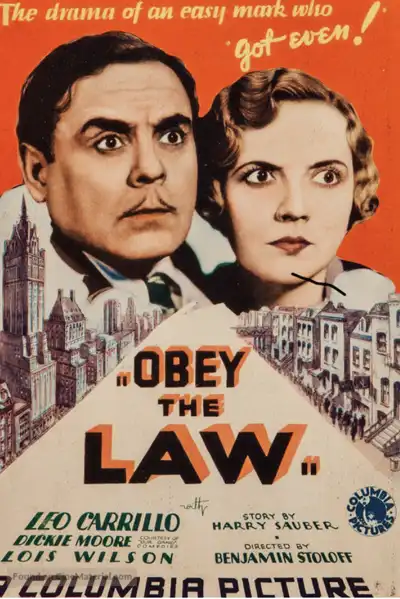
If you're the kind of person who digs through the bargain bin of history just to see how people talked in 1933, you’ll probably find something to latch onto here. It’s got that specific, slightly stiff charm of early talkies where everyone is acting like they’re on a stage.
If you need your movies to move fast or look polished, stay away. This thing is slow, deliberate, and feels like it was filmed in a shoebox. 👞
Leo Carrillo is doing a lot of heavy lifting as the barber. He’s got that thick accent that feels like it’s being pushed to the back of the theater. It’s not subtle. Sometimes it feels like he’s trying to convince *me* personally to be a better person.

The veteran character—played by David Leo Tillotson—is just a fountain of misery. He spends most of the movie staring into the middle distance like he’s trying to solve a math problem that has no answer. It’s a bit much, honestly.
There’s this one scene in the barber shop where the lighting is just... weird. Half the room is in total shadow, but the chairs are lit up like they’re on a spaceship. It looks like a mistake, but I couldn't stop looking at it. It gave the whole thing an oddly dreamlike quality that felt totally out of place for a story about a barber.
I couldn't help but compare the general vibe to The City That Never Sleeps. Both films have this weird obsession with the grit of urban life, but Obey the Law feels much more trapped. It never really leaves the neighborhood.
Is it a masterpiece? No. Is it a fascinating little relic? Sure. Sometimes you just want to watch a guy cut hair and complain about his life for an hour. That’s okay. It’s definitely not for everyone, but there’s a quiet sadness in it that lingers long after the credits roll. 💈