DbcultAccessing Vault...
Cult Review
Senior Film Conservator
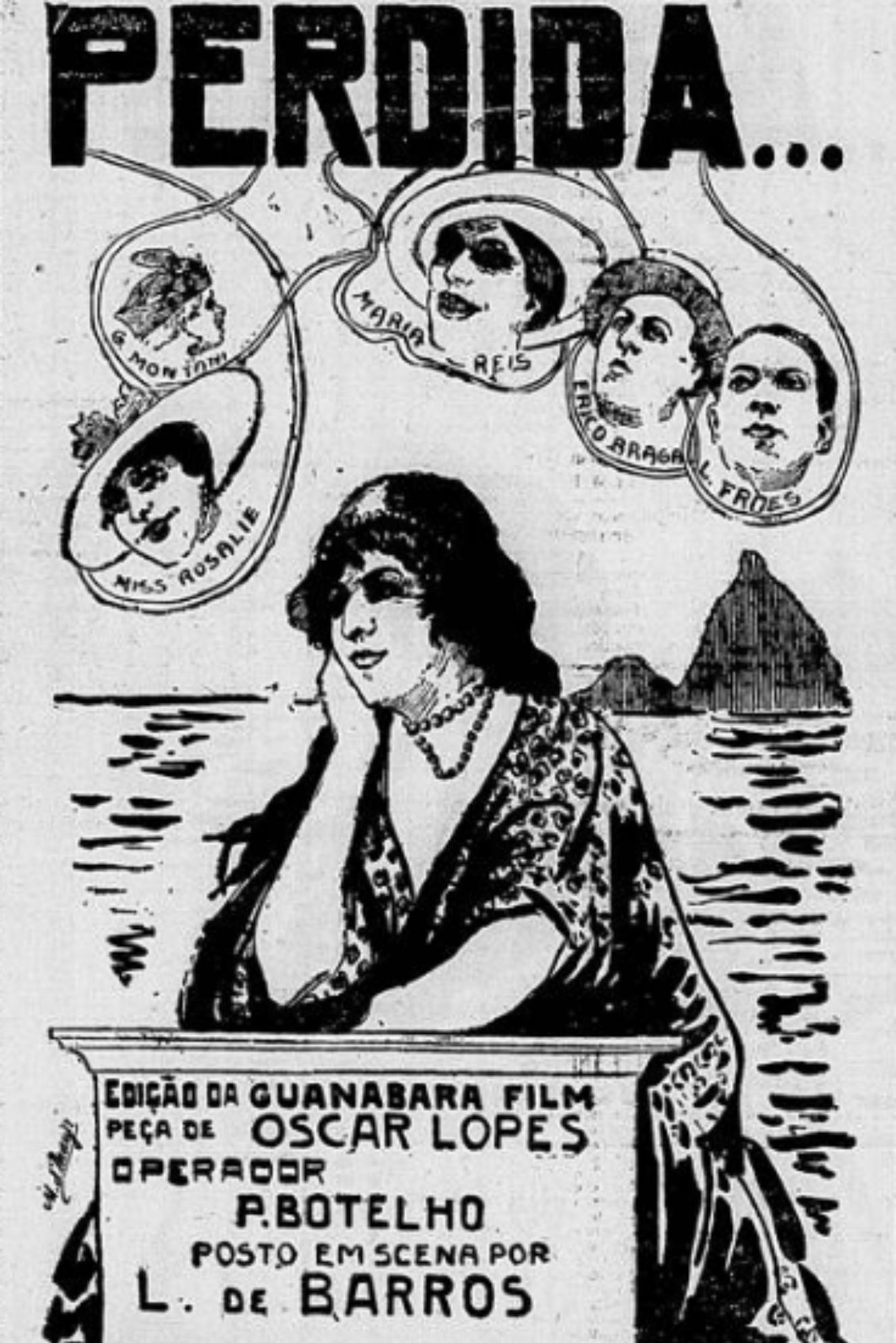
There's an undeniable allure to the silent era, a period where narrative was conveyed through the eloquent dance of gesture, the stark contrast of light and shadow, and the potent language of the human face. It's a cinematic realm often misunderstood, sometimes dismissed, yet it holds within its flickering frames stories of profound emotional depth and groundbreaking artistry. Among these treasures, a film like Luiz de Barros and Oscar Lopes' "Perdida" emerges as a compelling testament to the power of pure visual storytelling, a melodrama that, even a century later, resonates with a raw, undeniable humanity. This isn't just a historical artifact; it's a vibrant, living narrative that speaks volumes about the human condition, particularly the trials faced by women in a society far less forgiving than our own.
The very title, "Perdida" — meaning 'lost' or 'fallen' — immediately sets a melancholic tone, hinting at a narrative steeped in tragedy and societal judgment. And indeed, the film delivers on this promise, immersing its audience in the tumultuous life of Clara, portrayed with breathtaking vulnerability by Miss Rosalie. From her initial scenes, Clara is presented as a beacon of youthful innocence, a woman whose spirit, though seemingly fragile, possesses an underlying strength. Her world, however, is irrevocably altered by her fateful encounter with Victor, the ambitious and charming artist brought to life by Leopoldo Froes. Froes, a master of the era's dramatic flair, imbues Victor with an intoxicating charisma that makes his eventual betrayal all the more crushing. He’s not merely a villain; he’s a complex figure, a product of his time's pressures and ambitions, whose actions, though devastating, stem from a place that, perhaps, he himself struggles to comprehend.
The genesis of their romance, depicted with a delicate balance of longing glances and stolen moments, quickly spirals into a clandestine affair. The film’s visual poetry here is particularly effective, using close-ups and carefully composed shots to convey the intensity of their connection, and later, the growing chasm between them. When Clara discovers her pregnancy, the world as she knows it shatters. This pivotal moment is handled with a stark realism that transcends the melodramatic conventions of the time; Miss Rosalie’s silent agony is palpable, a universal expression of fear and abandonment. Victor's subsequent withdrawal, motivated by societal expectations or personal ambition – perhaps the lure of a more advantageous union with the sophisticated, calculating Gabriela Montani – leaves Clara utterly adrift. She becomes the 'Perdida' of the title, not just lost to love, but lost within the unforgiving strictures of early 20th-century society.
The film then embarks on Clara's harrowing journey through destitution, her indomitable spirit shining through the bleakest of circumstances. Her struggle to raise her daughter, Liliana, against all odds, forms the emotional core of the narrative. This section of "Perdida" could draw interesting parallels with other contemporary films that explored similar themes of female resilience, such as The Hope Chest, which also delved into a woman's battle against adversity, or even Alma de sacrificio, with its potent depiction of self-sacrifice. However, "Perdida" distinguishes itself through its unflinching portrayal of Clara’s isolation, a profound sense of loneliness that underscores the vast chasm between her past and present.
Years pass, and the narrative cleverly employs the passage of time to heighten the dramatic tension. Liliana, now a young woman, portrayed with an endearing blend of innocence and artistic passion by Maria Reis, begins to forge her own path. Unbeknownst to her, the threads of her destiny are inextricably linked to Victor's world. This narrative device, a classic of the era, allows for a slow, agonizing reveal, building suspense with each chance encounter and veiled hint. The film excels in its use of dramatic irony, as the audience is often privy to information that the characters are not, creating a powerful emotional connection and fostering a desperate hope for justice and recognition.
Erico Braga's role, though perhaps less overtly flamboyant than Froes', provides a crucial anchor in Clara's life. His character, possibly a kind-hearted laborer or a steadfast friend, represents the quiet dignity and unwavering support that contrasts sharply with the superficiality and moral ambiguity of Victor's world. This juxtaposition is vital; it highlights the film's subtle commentary on class distinctions and the true measure of character. His presence is a testament to the idea that genuine love and loyalty can be found in the most unexpected places, a comforting warmth amidst the societal chill. Similarly, Yole Burlini's contribution, whether as a sympathetic confidante offering solace or a more enigmatic figure who holds crucial pieces of the puzzle, adds layers to the film's intricate social tapestry, her performance often conveying volumes through subtle gestures and expressions.
The climax of "Perdida" is a masterclass in silent film melodrama. The inevitable collision of past and present, the revelation of Liliana's true parentage, is orchestrated with an escalating tension that is both emotionally devastating and profoundly satisfying. The film doesn't shy away from the raw power of confrontation, allowing its characters to grapple with the consequences of their actions in a way that feels both epic and intimately personal. Miss Rosalie's performance in these concluding scenes is particularly noteworthy, her face a canvas of conflicting emotions – anger, sorrow, relief, and a fierce maternal protectiveness. Leopoldo Froes, too, rises to the occasion, depicting Victor's internal turmoil with a nuanced portrayal that suggests regret and a dawning understanding of his profound losses. It's a powerful reminder that even in silence, the human spirit can scream.
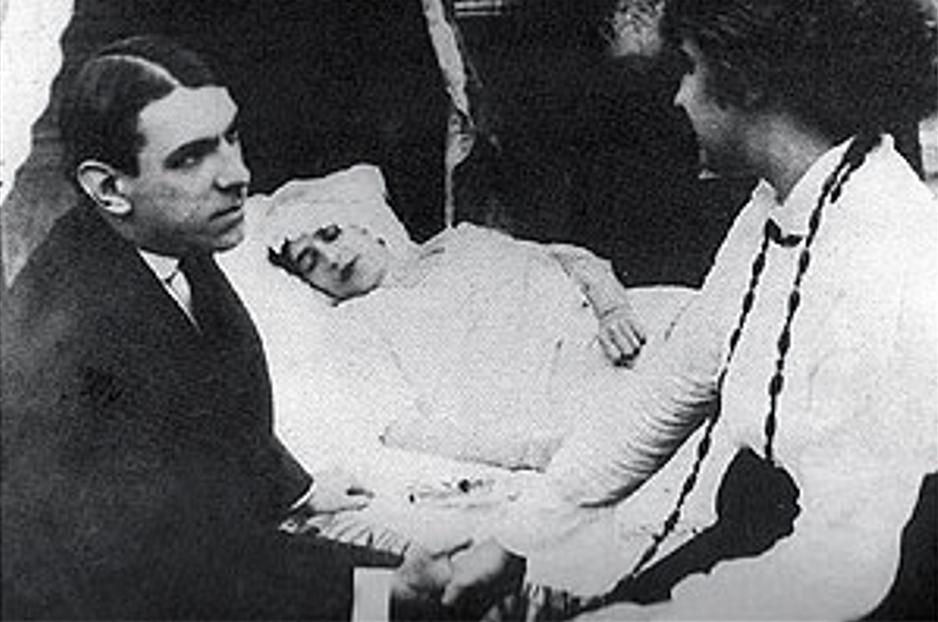
Cinematically, "Perdida" demonstrates a remarkable understanding of visual storytelling. The use of intertitles is judicious, allowing the images to carry the bulk of the narrative weight. The cinematography, while perhaps not as revolutionary as some of its European counterparts, is effective in establishing mood and character. The framing often emphasizes the isolation of characters, particularly Clara, against the bustling backdrop of the city, or conversely, highlights moments of intimate connection. The editing, though perhaps appearing quaint by modern standards, is purposeful, driving the narrative forward with a steady rhythm that builds to its dramatic crescendo. One might even compare its narrative pacing and emotional intensity to films like Revenge or The Bondage of Fear, where the stakes are always high and the emotional landscape is rugged.
What truly elevates "Perdida" beyond a mere melodramatic potboiler is its incisive social commentary. It's a film that bravely tackles the hypocrisy of a society that readily condemns women for circumstances often beyond their control, while men, equally culpable, often escape unscathed. It's a poignant exploration of class disparity, the enduring power of maternal love, and the arduous path to redemption. The film doesn't offer simplistic answers or neat resolutions; instead, it grapples with the complexities of human morality, leaving the audience to ponder the lasting scars of past mistakes and the possibility of forgiveness.
The performances across the board are a masterclass in silent acting. Miss Rosalie, in particular, commands the screen, her expressive eyes and graceful movements conveying a vast spectrum of emotion without uttering a single word. Her portrayal of Clara's transformation from a hopeful ingenue to a resilient survivor is nothing short of captivating. Leopoldo Froes, with his undeniable screen presence, perfectly embodies the flawed romantic lead, his internal conflict often etched across his features. Maria Reis brings a fresh, vibrant energy to Liliana, making her journey of discovery all the more compelling. The supporting cast, including Erico Braga and Yole Burlini, contribute significantly to the film's rich tapestry, each adding depth and authenticity to their respective roles.
In an age dominated by sound and spectacle, "Perdida" serves as a vital reminder of cinema's foundational power – the ability to tell a compelling story through images and the raw emotion of performance. It's a film that, despite its age, feels remarkably contemporary in its exploration of themes that continue to resonate: love, loss, betrayal, societal pressure, and the enduring strength of the human spirit. If you have the opportunity to experience this lost gem, you will find yourself transported to a bygone era, yet deeply connected to a narrative that speaks to the timeless struggles and triumphs of the heart. It’s a film that deserves to be rediscovered, studied, and cherished, standing proudly alongside other silent era masterpieces like Beneath the Czar or The Call of the North for its dramatic impact, and perhaps even sharing thematic echoes with the character-driven struggles found in Children of the Feud, albeit in a different social context. This is not just a film; it is an experience, a poignant whisper from the past that still holds considerable power to move and provoke thought.
The lasting impression of "Perdida" isn't just its dramatic plot or its compelling performances; it's the subtle yet profound way it encapsulates the societal anxieties and moral dilemmas of its time. Luiz de Barros and Oscar Lopes, as writers, crafted a narrative that, while adhering to the popular melodramatic structure, infused it with a palpable sense of realism regarding the plight of marginalized women. The film doesn't merely present a story; it presents a mirror to a society grappling with its own contradictions. The choices made by Clara, Victor, and even the periphery characters, are deeply rooted in the socio-economic fabric of the era, making the film a valuable historical document as much as an artistic achievement. It’s this intricate blend of personal drama and broader social commentary that gives "Perdida" its enduring resonance, securing its place as a significant, albeit tragically overlooked, piece of cinematic history.
The film's visual style, while perhaps not as overtly experimental as some of the German Expressionist works of the period, is nonetheless incredibly effective in conveying mood and emotion. The use of deep focus in certain scenes allows for a rich layering of narrative, while the close-ups on Miss Rosalie's face become portals into Clara's tormented soul. The staging of scenes, particularly those involving large groups, demonstrates a keen understanding of how to use the frame to communicate power dynamics and societal pressures. The interplay of light and shadow, a hallmark of silent cinema, is employed here to great effect, often mirroring the moral ambiguities within the story. Bright, hopeful scenes often give way to darker, more oppressive visuals, reflecting Clara's fluctuating fortunes. This visual language is arguably as sophisticated as that found in films like The Scarlet Crystal, which also relied heavily on atmospheric cinematography to tell its tale.
Ultimately, "Perdida" is more than just a historical curiosity; it's a powerful narrative that speaks to the timeless struggles of love, loss, and the indomitable human spirit. It's a film that challenges us to look beyond the surface, to empathize with characters whose lives were shaped by circumstances far different from our own, yet whose emotions remain universally recognizable. It stands as a testament to the enduring power of silent cinema to captivate, to provoke, and to move. A true cinematic treasure, it beckons for a wider audience to discover its profound beauty and emotional depth. Its themes of societal judgment and personal sacrifice resonate with the same force as those explored in The Social Highwayman, albeit from a different perspective, and its exploration of a woman's journey through adversity aligns with the spirit of A Lass of the Lumberlands, underscoring its place within a rich tradition of powerful storytelling.
IMDb —
1914
Community
Log in to comment.