DbcultAccessing Vault...
Cult Review
Senior Film Conservator
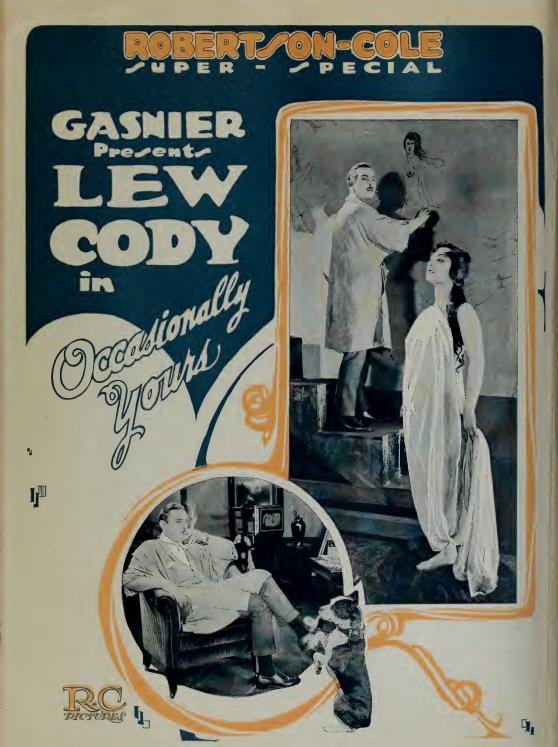
Occasionally Yours is a film that defies easy categorization, a complex and multifaceted exploration of the human experience that probes the depths of love, deception, and social hierarchy with unflinching candor. As we delve into the world of Bruce Sands, a charismatic but troubled artist with a penchant for manipulation, we find ourselves drawn into a tangled web of relationships that are at once fascinating and repellent. With its dark orange hues and yellow undertones, the film's color palette perfectly captures the sense of unease and moral ambiguity that pervades the narrative.
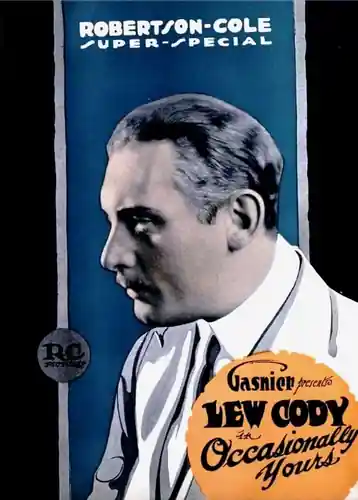
At the heart of the film is the doomed engagement between Bruce and Audrey Woodward, a relationship that is fraught with tension and uncertainty from the outset. As Bruce becomes increasingly embroiled in his own web of deceit, we see the true depths of his emotional superficiality, a callous disregard for the feelings of others that is both shocking and mesmerizing. And yet, despite his obvious flaws, Bruce remains a strangely compelling figure, a sea blue eyed charmer who is impossible to look away from, even as he careens from one disastrous relationship to the next.
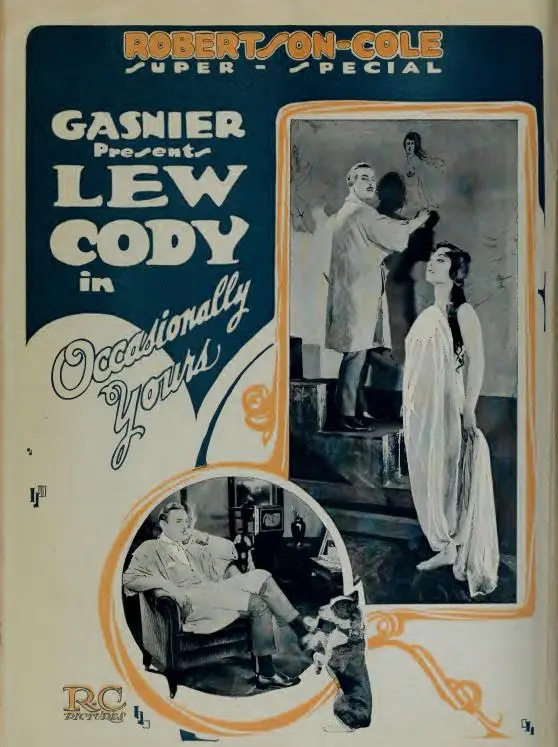
One of the most striking aspects of Occasionally Yours is its unflinching portrayal of the social conventions that govern the lives of its characters. In a world where marriage is seen as a necessary evil, a means of securing social status and financial stability, the film's characters are forced to navigate a complex web of expectations and obligations that are often at odds with their own desires and aspirations. This is particularly evident in the character of Bunny Winston, Bruce's former flame, who finds herself caught in a desperate bid to secure a stable future, even if it means settling for a loveless marriage with the older and more dependable John Woodward. As we watch Bunny's struggles to come to terms with her own desires and limitations, we are reminded of the countless other women who have found themselves trapped in similar situations, forced to choose between their own happiness and the dictates of societal convention.
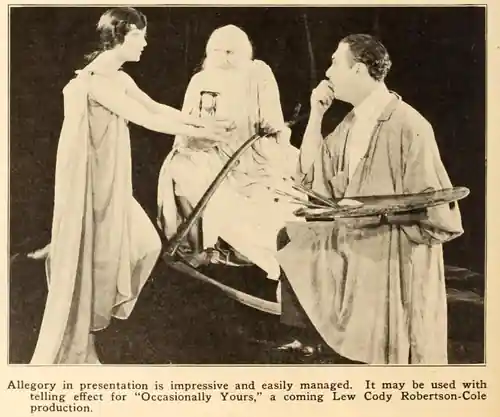
In terms of its cinematic style, Occasionally Yours is a film that is deeply rooted in the visual aesthetics of the 1920s. With its lush, yellow tinged landscapes and ornate, dark orange hued interiors, the film's use of color and composition is at once sumptuous and unsettling, a perfect reflection of the moral ambiguity that pervades the narrative. And yet, despite its undeniable visual beauty, the film's true strength lies in its ability to balance style and substance, to create a sense of depth and nuance that is all too often lacking in films of this era. Whether we are watching Bruce's ill-fated romance with Audrey, or Bunny's desperate struggles to secure a stable future, we are constantly reminded of the complex web of emotions and motivations that underlies the narrative, a rich tapestry of human experience that is at once fascinating and heartbreaking.
As we reflect on the film's place within the broader cinematic landscape of the 1920s, it is interesting to note the ways in which Occasionally Yours engages with other films of the era. For example, the film's portrayal of the social conventions that govern the lives of its characters is reminiscent of What Will People Say?, a film that also explores the tensions between individual desire and societal expectation. Similarly, the film's use of color and composition is similar to The Purple Lily, a film that also employs a lush, yellow tinged palette to create a sense of visual unease. And yet, despite these similarities, Occasionally Yours remains a deeply original and innovative film, a work that is unafraid to push the boundaries of cinematic convention in pursuit of a unique and uncompromising vision.
In the end, Occasionally Yours is a film that will leave viewers with much to think about, a complex and multifaceted exploration of the human experience that is at once fascinating and repellent. As we watch Bruce's ill-fated romance with Audrey, or Bunny's desperate struggles to secure a stable future, we are constantly reminded of the complex web of emotions and motivations that underlies the narrative, a rich tapestry of human experience that is at once heartbreaking and mesmerizing. With its sea blue hues and dark orange undertones, the film's color palette perfectly captures the sense of unease and moral ambiguity that pervades the narrative, a sense of uncertainty that will linger with viewers long after the credits have rolled.
IMDb 6.2
1927
Community
Log in to comment.