DbcultAccessing Vault...
7.8/10
Senior Film Conservator
A definitive 7.8/10 rating for a film that redefined the boundaries of cult cinema. Off to Buffalo remains a cornerstone of transgressive art.
Alright, so we're talking about Off to Buffalo. This one’s from 1923, a silent comedy short, meaning it’s definitely not for everyone today. If you're a fan of classic cinema, especially the kind with big gestures and even bigger laughs, or just curious about how films used to be made, you might find something charming here. But if you're looking for modern pacing, complex plots, or even sound, you'll probably hate it. This is a very specific flavor of fun.
The premise is simple enough: a couple, played by Dell Henderson and Anita Garvin, is trying to get to Buffalo, and naturally, everything goes spectacularly wrong. It’s a blueprint for a hundred other comedies since, really. The whole thing feels like a mad dash from one mishap to the next. 🤦♀️
What really jumps out are the performances. Edgar Kennedy, with his signature slow burn, is just fantastic. There’s a scene where he’s trying to retrieve something from a suitcase that just won’t cooperate, and his face slowly shifts from mild annoyance to pure, unadulterated fury. It’s all in the eyes, you know? He doesn’t need words to make you feel his exasperation. That guy was a pro at looking perpetually fed up.
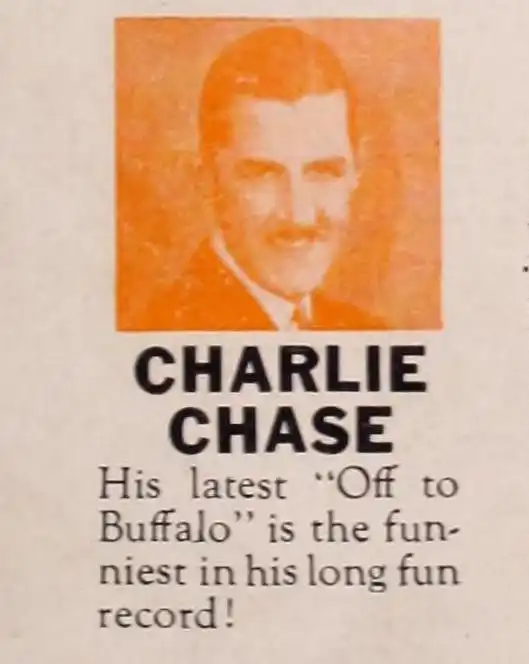
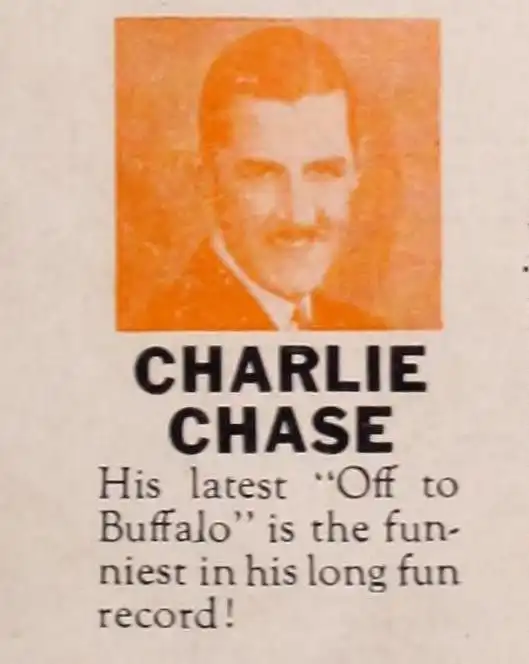
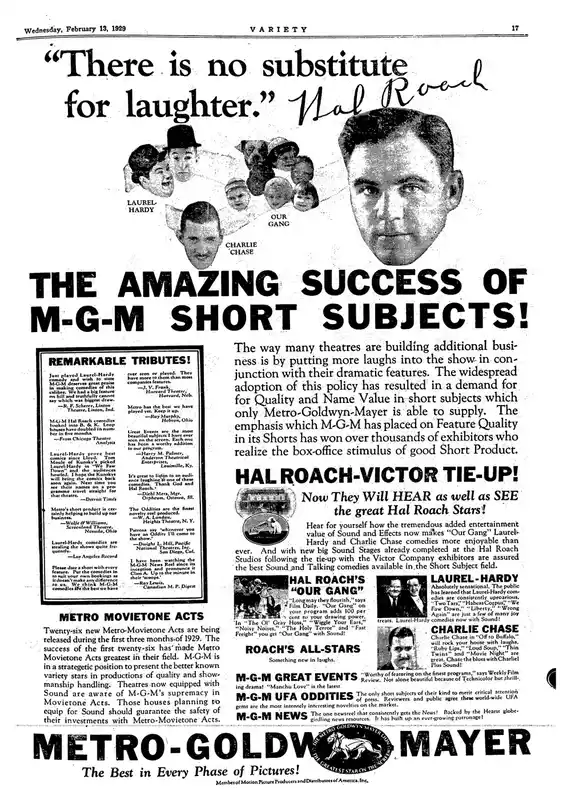
Charley Chase also shows up, always the dapper but flustered type. He has this knack for getting into the most awkward situations while trying to maintain an air of sophistication. I swear, he’s probably trying to woo Vivien Oakland at some point, and it just devolves into utter chaos. It’s almost painful how much he tries to keep his composure when everything around him is falling apart. You gotta admire the effort, even if it's doomed.
Some of the gags, honestly, feel a bit dated. There’s a moment involving a hat and a series of accidental bumps that just goes on a few seconds too long. You can almost feel the director stretching for time. But then, *boom*, a perfectly timed pratfall or a wild double-take from Anita Garvin, and you can’t help but crack a smile. It’s really uneven sometimes, but that’s part of the charm of these old shorts.
The pacing is… well, it’s a silent film. It starts frantic, dips a bit, then picks up again for another burst of energy. You definitely notice the lack of sound, of course. It makes you really focus on the physical comedy, the exaggerated expressions, and the intertitles. Those title cards are often pretty funny themselves, setting up the next bit of mayhem with a flourish.
One small thing I liked was how they used props. There's a particular bit with a rolling pin – or was it an umbrella? – that gets passed around like a hot potato in a chase sequence. It’s just a small detail, but it makes the whole thing feel more dynamic. Not every gag is a winner, but when they hit, they really hit. It's a reminder of how much creativity went into these early films, even with limited resources.
This film is a bit of a historical curio, a quick dive into early Hollywood. It's not a masterpiece that will change your life, but it’s a solid example of the kind of comedic energy that fueled the silent era. It’s a pleasant, if sometimes clunky, reminder of where it all began.
IMDb —
1936
Community
Log in to comment.