DbcultAccessing Vault...
7.4/10
Senior Film Conservator
A definitive 7.4/10 rating for a film that redefined the boundaries of cult cinema. Rush Orders remains a cornerstone of transgressive art.
Ah, the silent era! A time when physical comedy reigned supreme, when exaggerated gestures and expressive faces communicated narratives with a universal language that transcended spoken words. And in that rich tapestry, films like Rush Orders stand as delightful, if often overlooked, testaments to the ingenuity and sheer comedic brilliance of the period. It’s a film that, despite its age, resonates with a timeless theme: the relentless, all-consuming pangs of hunger and the inventive, sometimes ludicrous, lengths one will go to satisfy them. This isn't merely a quaint relic; it's a vibrant piece of cinematic history, brimming with character and chaotic charm.
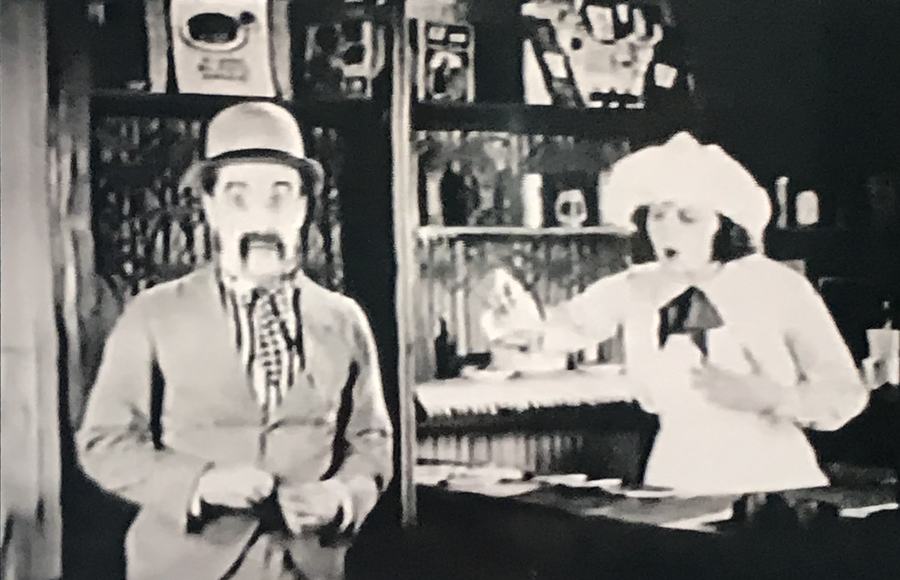
Our story, in its elegant simplicity, introduces us to Snub, portrayed by the inimitable 'Snub' Pollard. He arrives in town, a veritable tumbleweed of destitution, his pockets as empty as a politician’s promise. But what he lacks in coinage, he more than makes up for in sheer, unadulterated yearning, particularly when his senses are assaulted by the intoxicating aromas wafting from Marie's cafe. This isn't just a desire for sustenance; it’s an obsession, a singular focus that drives every subsequent, increasingly elaborate, and hysterically futile maneuver. Pollard, with his distinctive physical presence and rubbery expressions, embodies this desperation with an earnestness that makes his antics both pitiable and utterly hilarious.
What makes Rush Orders such a compelling watch is the central performance by 'Snub' Pollard. He wasn't just an actor; he was an architect of physical comedy, a maestro of the pratfall and the exasperated glance. His character in this film is a magnificent study in single-minded pursuit. Snub's journey from penniless wanderer to a man driven solely by the quest for a square meal at Marie's cafe is a masterclass in silent film acting. Every furtive glance, every exaggerated gulp, every attempt to appear nonchalant while his stomach rumbles like a distant storm, is meticulously crafted. Pollard’s face, a canvas of shifting emotions, conveys volumes without a single intertitle. You feel his hunger, you sympathize with his plight, and you can't help but laugh at the increasingly convoluted schemes he concocts to circumvent his impecunious state.
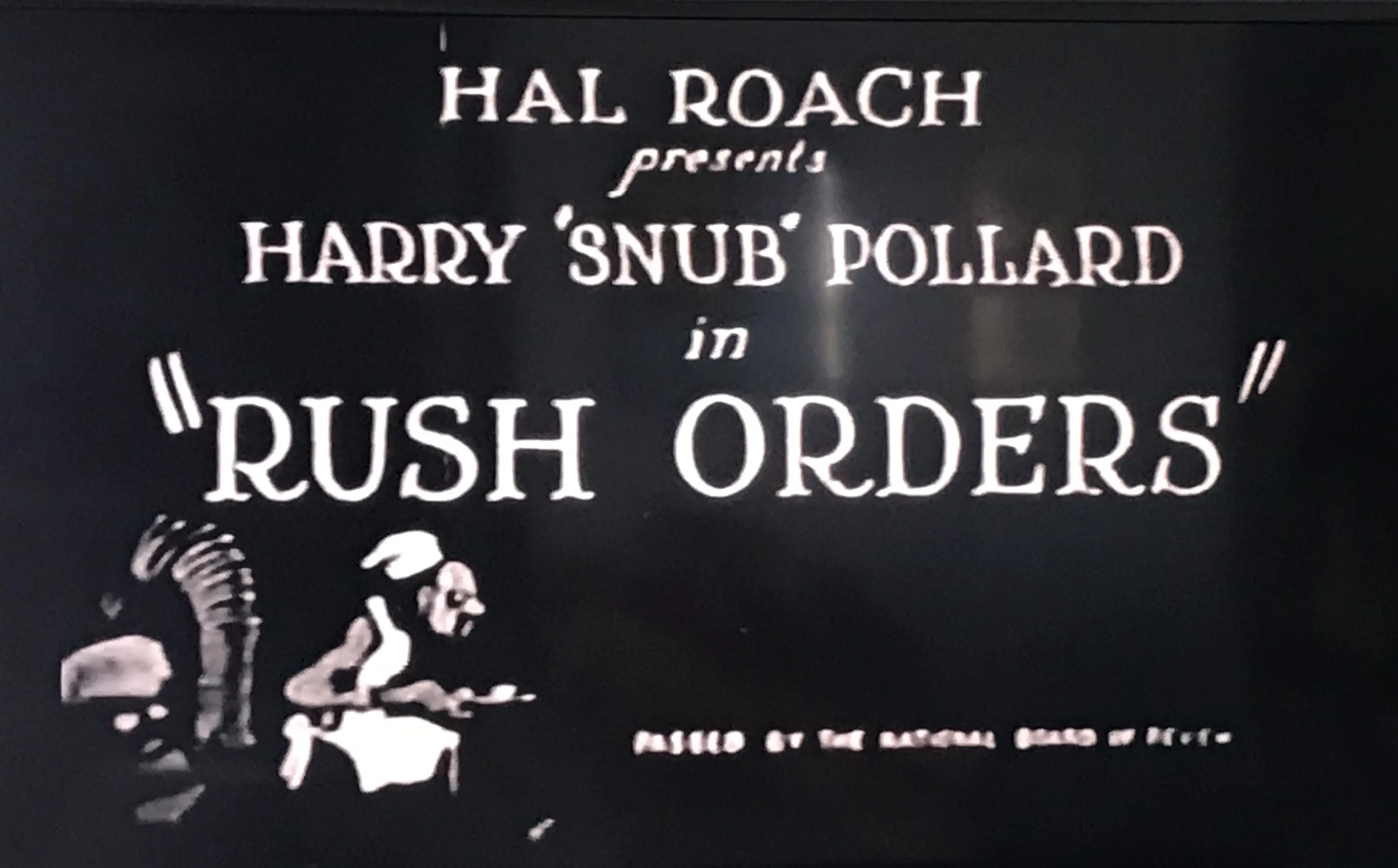
His physical comedy is never gratuitous; it's always rooted in his character's motivation. When he attempts to sneak a bite, or perhaps to work off a meal he hasn’t yet earned, the ensuing chaos is a direct consequence of his initial, desperate need. This isn't merely slapstick for its own sake; it's slapstick born of circumstance, a comedic exploration of the human condition under duress. Pollard's ability to blend pathos with outright farce is truly remarkable, allowing the audience to both root for him and revel in his inevitable, often spectacular, failures. It reminds one of the universal truth that sometimes, the simplest desires lead to the most complicated predicaments. His work here, as in many of his short films, showcases a performer at the peak of his powers, understanding the nuances of visual storytelling in a way few could.
The setting of Marie's cafe is more than just a backdrop; it's a character in itself. It represents the unattainable, the tantalizing promise of satisfaction just out of reach. Marie Mosquini, as Marie, the proprietor or waitress, embodies the normalcy and the tantalizing availability of food. Her presence often serves as a foil to Snub's frantic energy, her calm demeanor highlighting his chaotic attempts. She is the object of his culinary desire, perhaps even a figure of unwitting authority, whose presence underscores the social barrier between Snub and his longed-for meal. Mosquini, with her understated charm, provides a grounding element amidst Pollard's escalating pandemonium, her reactions often providing the audience with a relatable perspective on Snub's outlandish behavior.
The supporting cast, featuring talents like Sammy Brooks, Hughie Mack, George Rowe, and Ernest Morrison, rounds out this vibrant world. While their roles might be secondary to Pollard's central performance, they are crucial in building the comedic environment. Hughie Mack, often known for his burly presence, might play a gruff cook or a disgruntled customer, inadvertently adding to Snub's woes. Sammy Brooks and George Rowe, seasoned performers of the era, would contribute to the bustling atmosphere of the cafe or the street, perhaps as other customers, passersby, or even unwitting obstacles in Snub's path. Their reactions, their obliviousness, or their direct involvement in Snub's schemes amplify the humor. Ernest Morrison, often seen as 'Sunshine' in other productions, could bring a youthful energy, perhaps as a mischievous child or an innocent bystander who either helps or hinders Snub's efforts, adding another layer of comedic interaction. The ensemble's synchronicity is vital in silent comedy, where timing and reaction shots are paramount, and this film undoubtedly benefits from their collective expertise.
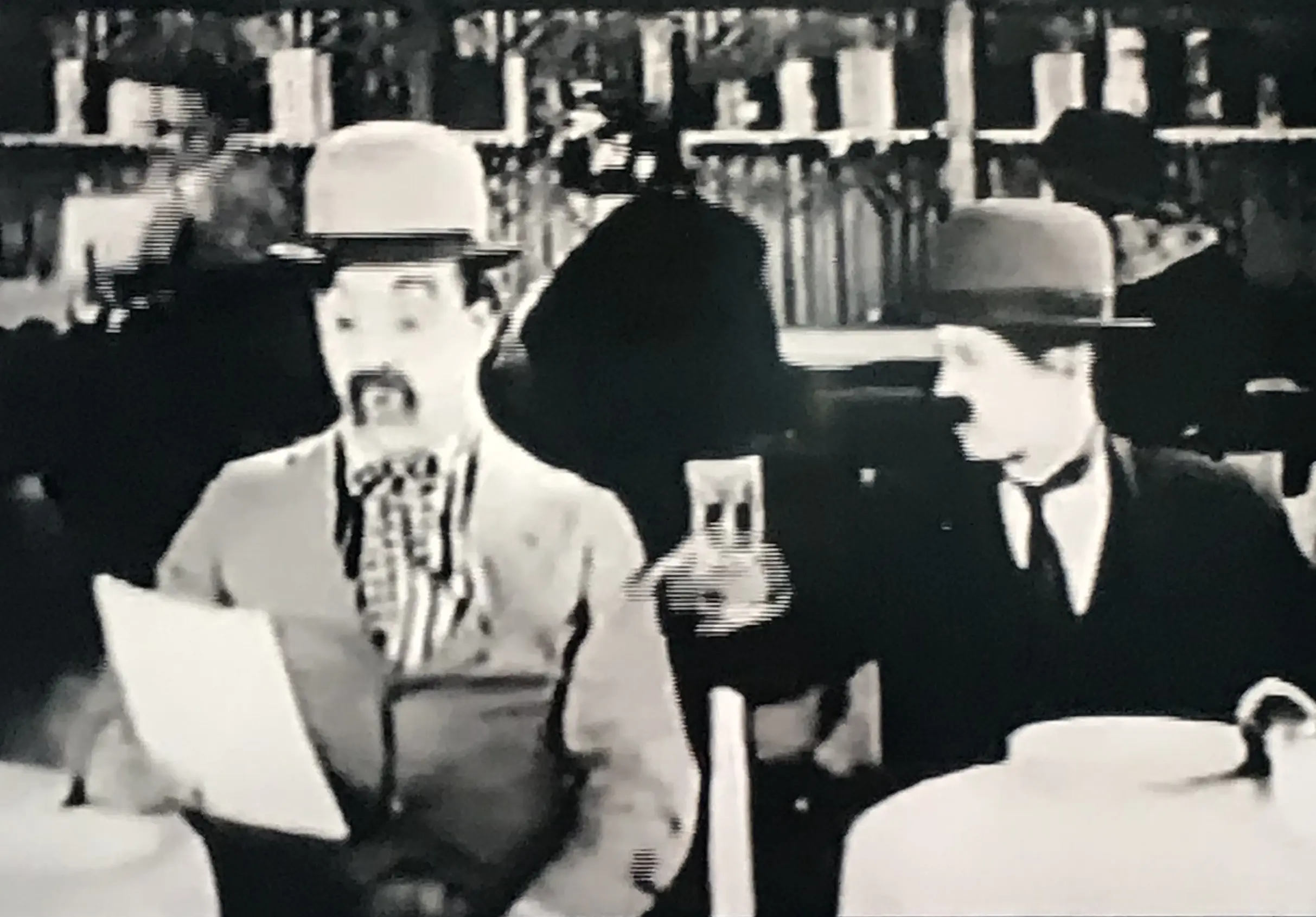
The brilliance of Rush Orders lies in its meticulous construction of gags and its relentless pacing. Silent comedies, particularly the shorts, were masters of escalating absurdity, building one comedic set-piece upon another. One can imagine Snub attempting to 'accidentally' spill something only to clean it up and earn a meal, or perhaps trying to steal a plate off a table when no one is looking, only to be caught in a hilariously compromising position. The visual humor would have been paramount: Snub's contorted expressions as he smells food, his furtive glances, his elaborate disguises, or his attempts to blend into the background, all designed to elicit guffaws. The film likely employs classic tropes: the chase sequence, the mistaken identity, the inanimate object coming to life (or seeming to), all orchestrated to highlight Snub's increasingly desperate plight.
The rhythm of the film would have been dictated by the director's understanding of comedic timing – a rapid succession of events leading to a punchline, followed by a brief moment of respite before the next wave of chaos. This rhythmic ebb and flow is what gave silent comedies their unique energy. Imagine a scene where Snub, after multiple failed attempts, finally gets his hands on a plate of food, only for it to be snatched away by a dog, or perhaps fall victim to an unexpected gust of wind, or even be confiscated by a stern authority figure. The disappointment on Pollard's face, followed by his immediate resolve to try again, would have been the heart of the humor. These are not just isolated jokes; they are part of a larger, cohesive narrative of struggle and resilience, albeit comedic resilience.
Viewing Rush Orders today offers more than just a chuckle; it provides a fascinating portal into the early days of cinema and the societal landscape it reflected. These films, often produced quickly and efficiently, captured the zeitgeist of their time – the burgeoning urban centers, the struggles of the working class, and the universal human desire for simple pleasures. The sheer artistry involved in conveying complex emotions and intricate comedic scenarios without dialogue is something that contemporary cinema often struggles to replicate. It demanded a different kind of acting, a more physical and exaggerated style that, when done well, was profoundly effective. The reliance on universal visual cues meant these films often had broad appeal, transcending linguistic barriers long before the advent of synchronized sound.
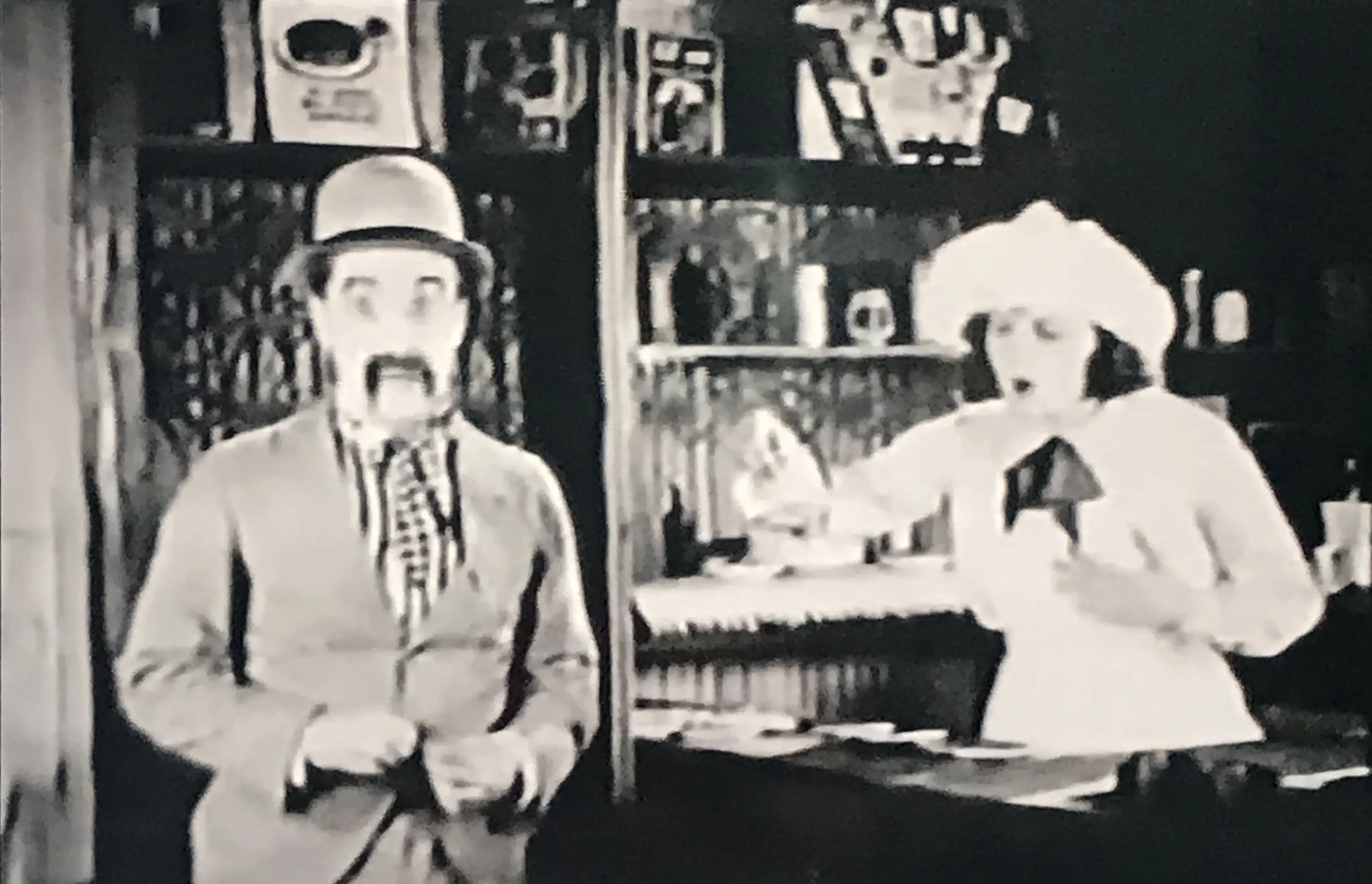
The writers of this era, though often uncredited or with minimal recognition, were masters of visual storytelling. They understood that a well-placed prop, a perfectly timed reaction, or a cleverly choreographed sequence could communicate more than pages of dialogue. Rush Orders, with its straightforward premise and character-driven comedy, is a prime example of this narrative economy. It doesn't waste time on exposition; it throws Snub into his predicament and lets the comedy unfold organically from his efforts to escape it. This directness, coupled with the energetic performances, is a hallmark of the era's best comedic shorts.
Beyond the laughs, Rush Orders touches upon themes that remain relevant. The sheer desperation of hunger, the class divide implied by a man outside a cafe longing for a meal, and the human spirit's indomitable, if sometimes misguided, will to survive. It's a comedic take on a very real struggle, making Snub's antics resonate on a deeper level than mere silliness. This interplay between lightheartedness and underlying gravity is a hallmark of truly great comedy.
When considering other films of the period, one might find thematic echoes in productions like The Dutiful Dub or Daddy Ambrose, which often explored the predicaments of well-meaning but bumbling protagonists navigating complex social situations or personal challenges. While Rush Orders focuses intensely on a singular, primal need, these other comedies also delve into the comedic potential of human fallibility and the charming awkwardness of their lead characters. The common thread is the audience's investment in the protagonist's struggle, whether it's for a meal, a reputation, or a loved one. Even The Make-Believe Wife, though perhaps more focused on romantic or social deceptions, shares that thread of a character attempting to navigate a situation through cunning or pretense, much like Snub's various ploys. The ingenuity of the characters in overcoming or attempting to overcome their circumstances, often leading to greater comedic entanglement, is a shared characteristic across these silent-era gems.
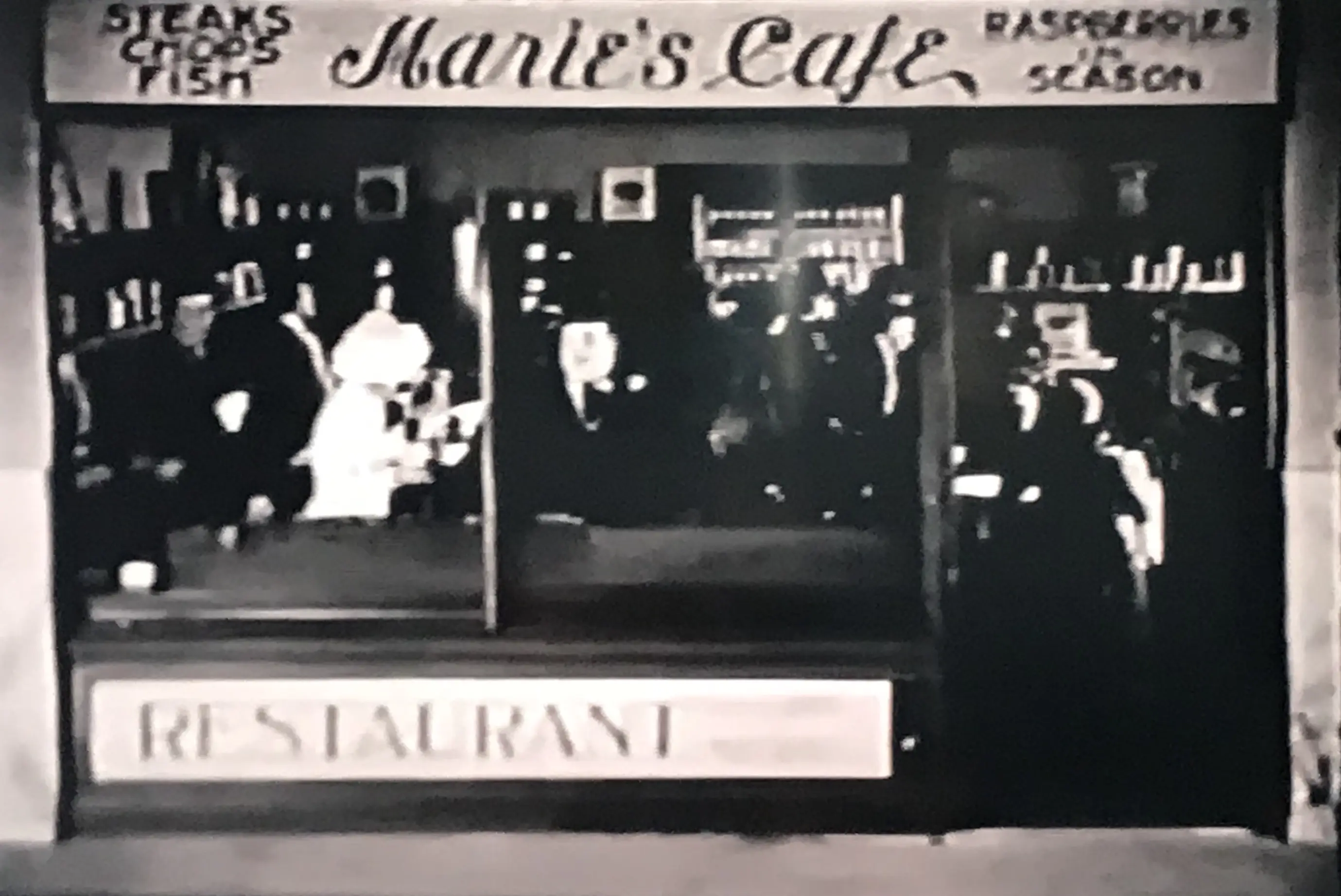
The film also subtly highlights the urban experience of the time. The bustling streets, the public spaces, the anonymity that allowed for both freedom and vulnerability – these elements form the canvas upon which Snub's story unfolds. The cafe itself is a microcosm of society, with its patrons representing a different social stratum, oblivious to or exasperated by Snub's antics. This juxtaposition between the everyday rhythm of life and Snub's extraordinary quest for a meal adds a layer of social commentary, however unintentional it might have been at the time of its creation.
Ultimately, Rush Orders is more than just a historical curiosity; it's a vibrant, engaging piece of filmmaking that continues to entertain. 'Snub' Pollard's performance is a testament to the power of physical comedy, demonstrating how much can be conveyed with a glance, a gesture, or a perfectly executed fall. The film’s simple premise allows for a cascade of inventive gags, each one building on the last, ensuring that the audience remains thoroughly invested in Snub’s gastronomic odyssey. It’s a reminder that sometimes, the most profound human experiences – even hunger – can be mined for universal laughter.
For those uninitiated in the delights of silent cinema, Rush Orders offers an accessible and thoroughly enjoyable entry point. Its energy is infectious, its humor timeless, and its central performance unforgettable. It’s a film that proves the age-old adage that necessity is indeed the mother of invention, often leading to the most uproarious outcomes. So, if you ever find yourself with an empty stomach and a penchant for classic comedy, queue up Rush Orders. You won't regret it. It’s a charming, chaotic, and ultimately triumphant depiction of a man's relentless pursuit of a simple, yet elusive, meal.

IMDb —
1927
Community
Log in to comment.