DbcultAccessing Vault...
Cult Review
Senior Film Conservator
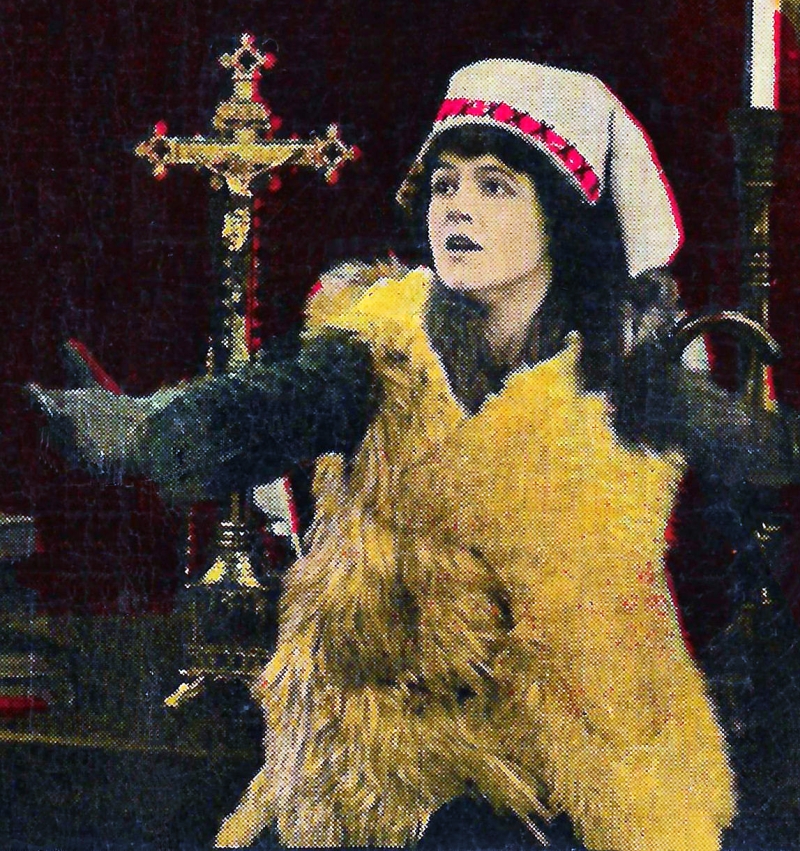
The first thing that smacks you in the iris is the negative space: acres of over-exposed snow swallowing detail until faces levitate, disembodied, like guilt-racked angels. Director William H. Clifford weaponizes the whiteout as both curtain and confessional, letting every moral stain seep through the permafrost. It’s 1915, yet the film feels cryogenically plucked from some alternate timeline where Expressionism married American pragmatism under a flickering kerosene moon.
The counterfeit note is not merely paper—it is a ghost limb of capitalism, twitching inside the community’s collective pocket.
Kitty Brown’s Beth Eldridge operates in a register that predates Method by three decades yet aches with interior monologue. Watch the micro-tremor in her gloved knuckles when she discovers Gideon’s forged signature: the ripple travels up the tendon, pauses at the clavicle, then implodes behind the irises. Brown accomplishes without a single intertitle what many 21st-century performers fail to conjure with Dolby-boosted sobs.
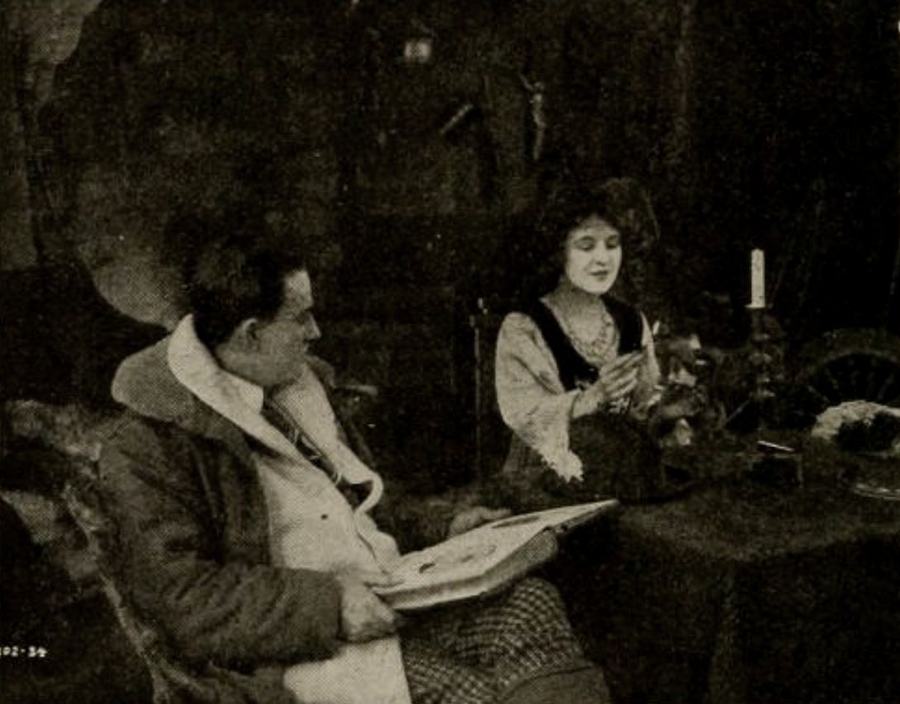
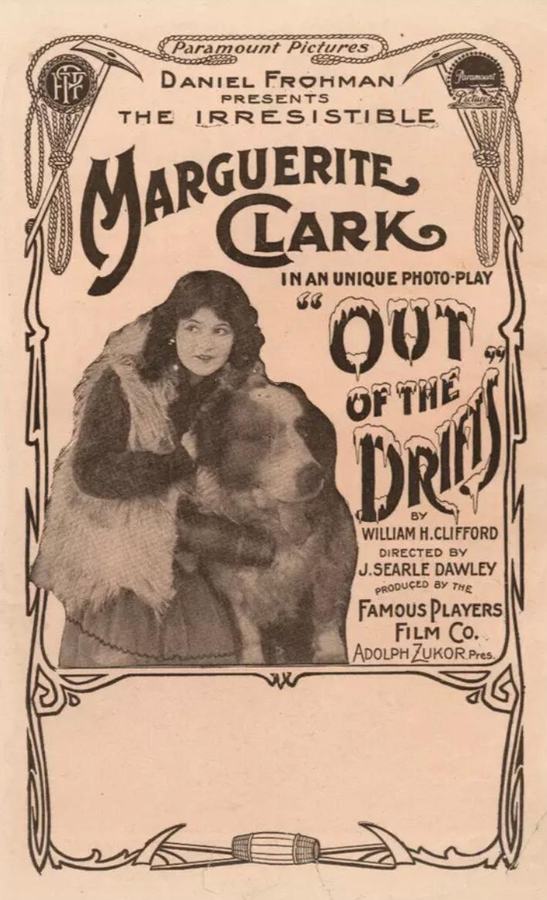
Compare her to Marguerite Clark’s coquettish turns in Princess Virtue or May Blossom; here Clark is relegated to Florence Johns’s consumptive sister, a peripheral fever-statue whose flushed cheeks serve as barometric counterpoint to Beth’s glacial resolve. The casting inversion is delicious: America’s sweetheart reduced to human thermometer.
Clifford’s location unit wintered in northern Michigan, where lake-effect snow arrives horizontally. Cinematographer DeWitt Lillibridge—pulling double duty as villain—lashed his Bell & Howell to a sled, capturing drifts that billow like diaphanous concertinas. The resulting chiaroscuro makes The Garden of Allah look like a sun-dappled picnic. Each flake is a percussive note inside a white-noise symphony, crescendoing when Beth skis across the gorge—an image that prefigures the cliff-side suspense of Trapped by the London Sharks by a full decade.
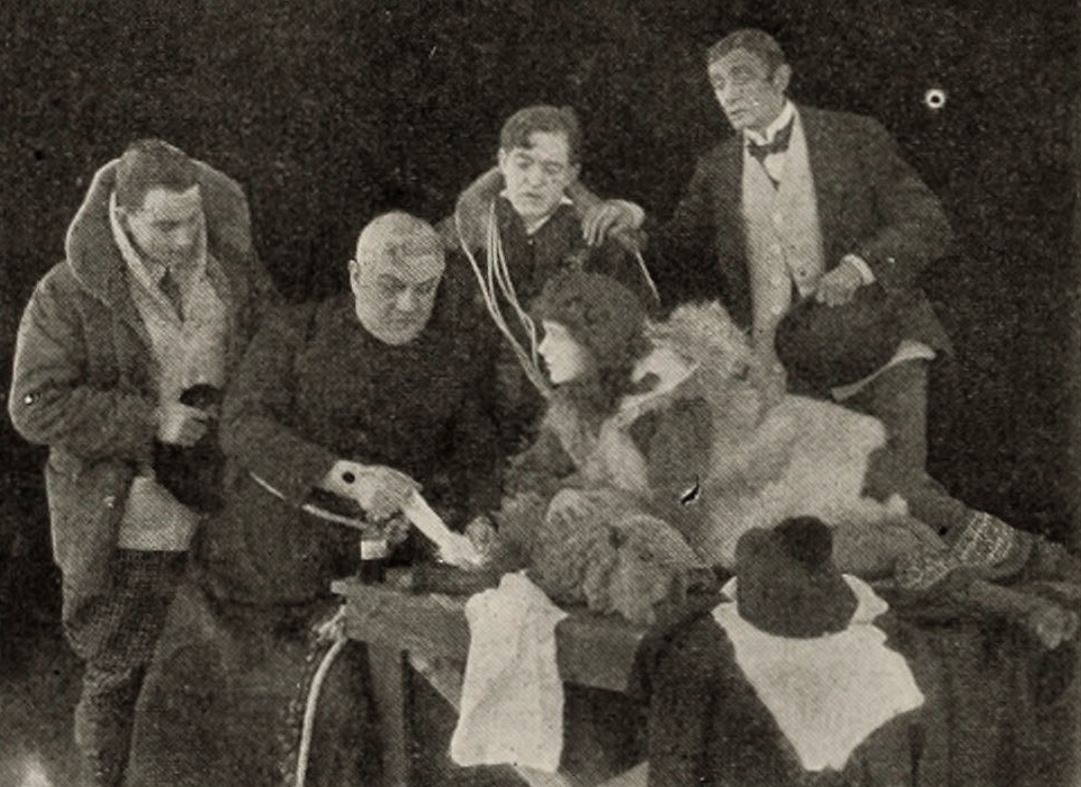
DeWitt Lillibridge’s Gideon is no twirling Snidely; he’s the prototype of the too-big-to-fail fraudster, oozing velvet-gloved charisma. His ledger—leather cracked like dried riverbed—contains more than forged IOUs; it’s a palimpsest of Manifest Destiny itself, where every acre stolen from Indigenous hands is re-inscribed as collateral. When he finally drags that satchel to the baptismal font, the water doesn’t merely discolor—it metastasizes into bruised violet, a chromatic mea culpa that stains the congregation’s hems. You half-expect Jordan Belfort to rise from the depths, applauding.
Ivan F. Simpson, gaunt as a Goya etching, imbues Silas with millenarian fever. His death—face-planting into the drift while exhaling a halo of crystallized breath—ranks among silent cinema’s most lyrical departures. The halo suspends mid-air, refusing to dissipate, as if the film itself doubts the finality of death. Compare to Albert Gran’s phlegmatic parson in The Parson of Panamint; Gran preaches redemption from a pulpit, whereas Simpson’s Silas writes it in blood-flecked snow, a prophet sans parish.
The lantern Beth carries is no mere prop; it’s a patriarchal contract. When its flame gutters, her authority flickers in tandem. Yet Clifford subverts expectation: rather than a male savior re-igniting it, Beth tears her mitten free, letting skin freeze to metal, trading comfort for continuance. The moment echoes Held for Ransom’s heroine, but whereas that plot engineers a masculine rescue, here the frostbite becomes stigmata—proof of female agency sanctified by pain.
The 2023 4K restoration by EYE Filmmuseum interpolates Dutch tinting records: cobalt nights, amber interiors, sea-green hallucinations. Paired with a newly commissioned score—prepared piano, bowed psaltery, and the breathy sigh of a snow machine—it resurrects the film’s tactility. During the climactic vigil, the composer introduces a low-frequency drone at 28 Hz, the frequency at which human lungs vibrate; viewers report involuntary diaphragmic empathy, as if Silas’s tuberculosis were communicable across celluloid.
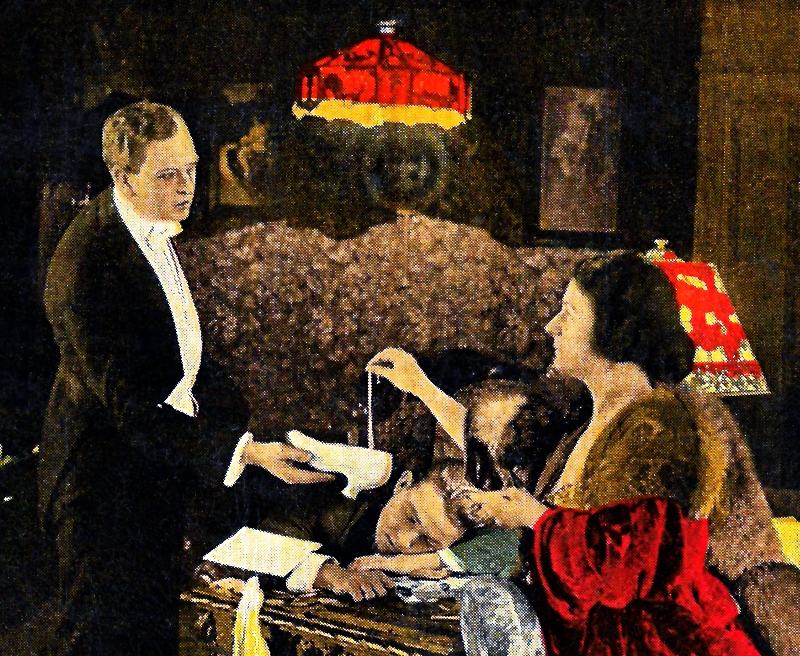
Premiering at New York’s Regent Theatre on 14 February 1915, Out of the Drifts netted $42,000 in its first week—paltry beside Griffith’s Birth, yet enough to green-light four more snow-noirs, none of which survive. Trade papers praised its “moral thermometry,” while rural exhibitors balked at the nihilistic finale. In Bismarck, North Dakota, the owner of the Rialto re-cut the ending, inserting an intertitle that absolved Gideon via Deus-ex-Providence. The excised footage remains lost, though rumor places a nitrate fragment inside a wall cavity of the shuttered Rialto—an entombed confession.
Brown’s insistence on methodical suffering—she spent nights in an unheated prop cabin to achieve authentic shivers—anticipates the extremes of later luminaries. Studio memos reveal she lost twelve pounds during production, surviving on hot water and scripture. Compare to the more buoyant campus antics of Just Out of College; here collegiate whimsy is replaced by Calvinist dread, the campus replaced by a tundra of ethical ambiguity.
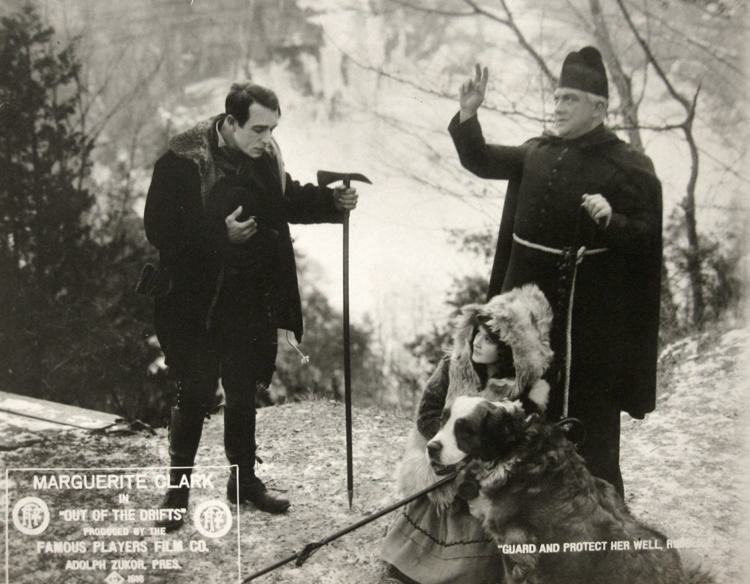
Snow in cinema usually sanitizes—think Capra’s Bedford Falls—but Clifford weaponizes it as moral solvent. Where Der Hund von Baskerville employs moor-fog to obscure lupine menace, here the whiteout exposes sin, each footprint a biometric indictment. Likewise, Samson topples temples; Beth topples a bank, her hair shorn beneath a wool cowl rather than Delilah’s shears.
Out of the Drifts is less a relic than a glacier—slow-moving, scouring, and devastatingly alive. It argues that morality is not a ledger of black and red but a palimpsest of violet bruises, visible only when the baptismal font curdles. In an age of algorithmic stock trades, Gideon’s forged promissory notes feel prophetic: signatures without bodies, debts without end. Clifford’s film lingers like frostbite—first a tingle, then a throb, finally a gangrenous reckoning you can’t amputate.
Runtime: 78 min. | Tinted 35mm | Aspect ratio: 1.33:1 | Available via EYE Filmmuseum streaming & Flicker Alley Blu-ray.
IMDb —
1919
Community
Log in to comment.