DbcultAccessing Vault...
7.2/10
Senior Film Conservator
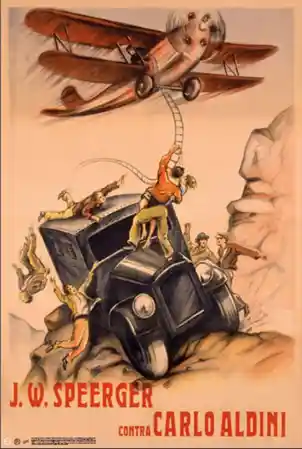
A definitive 7.2/10 rating for a film that redefined the boundaries of cult cinema. Pancérové auto remains a cornerstone of transgressive art.
So, "Pancérové auto" (that's Armored Car, for us English speakers) – worth digging up today? Absolutely, if you have even a passing interest in silent movies or just how film worked a century ago. If you're looking for explosions and fast dialogue, you'll probably hate it. But for a slow burn, visually driven story, especially one from Czech cinema's early days, it's a pretty cool watch. It feels like a genuine piece of history, you know?
The first thing that hits you, naturally, is the car itself. It's not some sleek, futuristic thing. No, this armored car is a chunky, serious piece of machinery. You can almost feel the weight of it, rumbling down dusty roads. It’s like a character all its own, this metal beast. And the way they film it? Sometimes it feels unstoppable, other times a little bit vulnerable.
There's a moment, quite early on, where a chase starts. And it’s not what you’d expect from 1924. Sure, there are people running around with exaggerated motions, but the editing gets surprisingly brisk. Suddenly, the cuts are faster, and you actually feel a sense of urgency. It’s not all slow and theatrical, which is a nice jolt.
One of the actors, Eduard Slégl, he’s got this intense gaze. Like, really intense. He doesn't say a word, obviously, but his eyes do so much work. You just know what he's thinking, or at least you think you do. It's a testament to silent acting, really, how much emotion they could convey without sound. His expressions carry a lot of the story's weight.
And then there's Carlo Aldini. He was known for his stunts, right? And you can tell. He moves with this certain agility, even in the sometimes stiff style of silent film. A scene where he's climbing over something, or dodging a blow, it feels a bit more fluid than other performers. You get a sense of his physical presence, even in black and white.
The whole plot revolves around some kind of gold shipment. Or maybe it’s just money? It's a bit vague, but that's okay. The stakes are clear enough. People want what's in that car, and others are trying to protect it. Simple, effective storytelling.
There are these great shots of the Czech countryside. You see hills, dusty paths. It's not just filmed on a set. Gives the whole thing a grounded feel, almost like a documentary at times, before the drama kicks back in. The landscape itself becomes part of the chase. You can practically feel the grit.
But it's not without its quirks. One reaction shot, where someone gasps dramatically after seeing something off-screen, it just lingers a few seconds too long. It almost becomes funny, like they didn't know when to cut. A small thing, but it sticks with you. 🤔
I also kept noticing the costumes. So many hats! Everyone wears a hat. It's just a detail, but it makes you think about how much everyday fashion has changed. And the suits, all very proper, even when they're getting into a brawl.
The ending, without giving anything away, has a moment that's quite bold. A final confrontation that feels earned. It's not a huge twist, but it wraps things up in a way that feels surprisingly definitive for a film of this era. Not every silent film manages that so cleanly.
Overall, "Pancérové auto" is a fascinating watch. It's not just a historical curiosity; there's a genuine thrill there. It really does hold up, if you let yourself get into its rhythm. A good one for a quiet evening, maybe with a cup of tea. ☕
IMDb —
1917
Community
Log in to comment.