DbcultAccessing Vault...
5.5/10
Senior Film Conservator
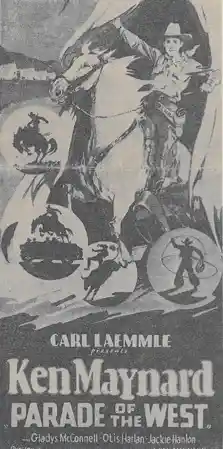
A definitive 5.5/10 rating for a film that redefined the boundaries of cult cinema. Parade of the West remains a cornerstone of transgressive art.
Alright, look, if you’re not already a fan of silent Westerns, Parade of the West from 1927 might not be your gateway drug. It’s got that old-school charm, for sure, and Ken Maynard is a *real* cowboy on screen, which counts for a lot. But if you need snappy dialogue or CGI explosions, you’ll probably be checking your watch. However, if you appreciate some genuine horsemanship and the kind of simple, earnest storytelling that feels a million miles away from today’s blockbusters, then yeah, give it a shot. Old film buffs, definitely. Anyone else, proceed with caution. 🤠
The whole setup revolves around this horse, "Mankiller." What a name, right? It’s not subtle. Ken Maynard, our hero, has to ride this supposedly untamable beast. And the horse, played by the very famous Rex, truly lives up to the hype, at least in the film’s universe.
You can see Rex just *acting* with his eyes sometimes. There's a scene where he's supposed to be menacing, and the way he tosses his head feels very intentional. It's almost like he knows his role in the drama. 🐴
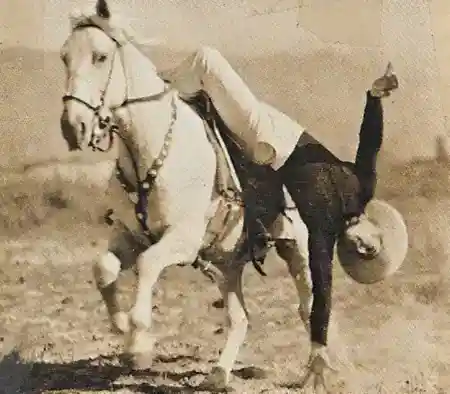
Maynard’s connection with Rex feels pretty real, too. They’re both the kind of stars that don't need a lot of fuss. Just point them at a camera and let them do their thing. The stunts, oh boy, the stunts. No wires, no green screen, just Ken Maynard hanging off a horse, doing some wild stuff. It’s impressive, even today.
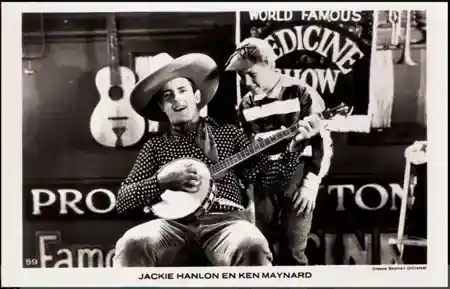
The film moves at a pace that’s… well, it’s a silent film. Things unfold. You get title cards to fill in the blanks, sometimes with a little flourish. The story itself isn't groundbreaking. Cowboy comes to town, joins a show, a little romantic interest (Gladys McConnell, who’s sweet but doesn't get a ton to do), and the main challenge with the horse. Standard stuff.
But there’s a lovely simplicity to it. The crowd scenes at the Wild West show feel surprisingly lively. You can almost feel the dust kicked up. They really knew how to put on a show within a show back then.
I noticed a few times the camera just *lingers* on a shot of the landscape. Just the plains, or a distant mountain. No dialogue, no action. Just… atmosphere. It’s kinda nice, actually. A moment to breathe.
One scene, early on, where Maynard is just breaking in some horses, you can see the raw power. It’s not just a movie; it’s almost like a documentary on old-school horsemanship. They don't make 'em like that anymore. Or, rather, they don't *film* 'em like that anymore.
The whole thing feels very earnest. No cynicism. Just a story about a cowboy and a challenging horse. That’s it. And sometimes, that’s all you need.
It’s not perfect, obviously. Some of the acting is a bit… *loud* for modern tastes. You know, lots of arm waving. And a few plot points feel rushed or glossed over by a single title card. But that’s part of the package.
If you're digging into Maynard’s filmography, this is a solid entry. Maybe not as iconic as some, but it showcases his unique blend of acting and authentic cowboy skills. And Rex, the horse, really shines here. Honestly, the horse almost steals the show from The Craving for best animal performance. Just kidding, but not really. 😉
It’s a gentle reminder of a different time in filmmaking. A time where a horse named Mankiller could be the central conflict, and audiences would be totally invested. And you know what? I was too.
IMDb —
1919
Community
Log in to comment.