DbcultAccessing Vault...
Cult Review
Senior Film Conservator
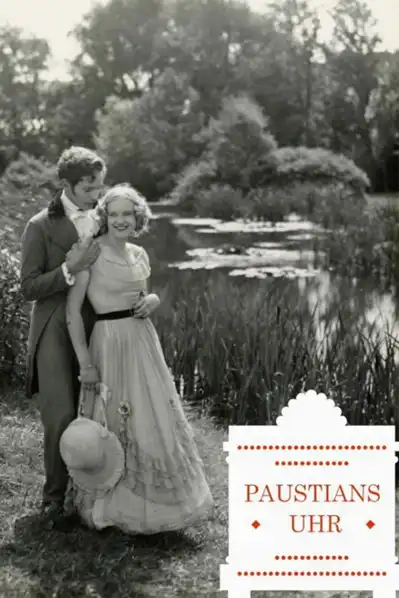
If you like movies that feel like you’re reading a letter from a very distant, slightly gloomy relative, you’ll probably find something to like here. If you need a plot that moves faster than a horse-drawn carriage, just walk away. This isn't exactly high-octane drama, and the, uh, intensity of the social shaming might feel a bit stiff if you aren't in the mood for it.
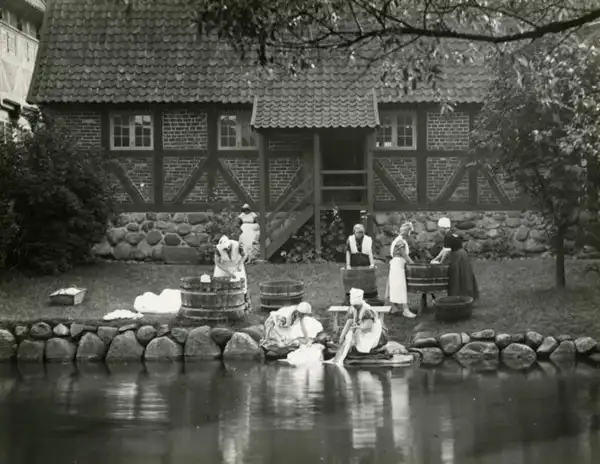
The whole thing hangs on the mother, played by Bergliot Poulsen. She carries this weight on her shoulders that’s honestly hard to watch. It’s not flashy, but you can see her shrinking into her shawl every time the neighbors start whispering.
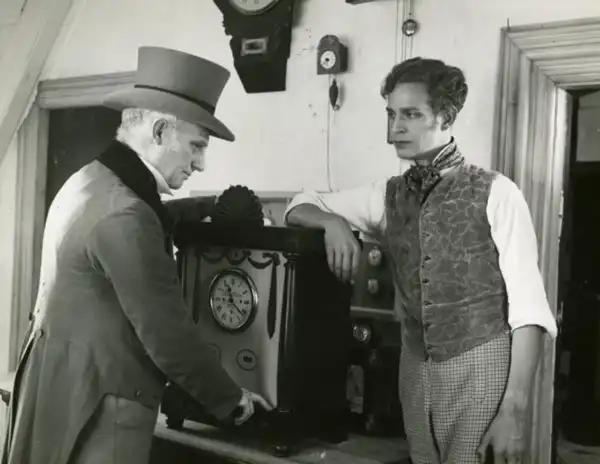
The film is really good at making the 19th century feel suffocating. Not in a 'big budget set design' way, but in the way the characters look at each other. There’s a lot of staring at floorboards and avoiding eye contact. It’s deeply uncomfortable, which I think is the point.
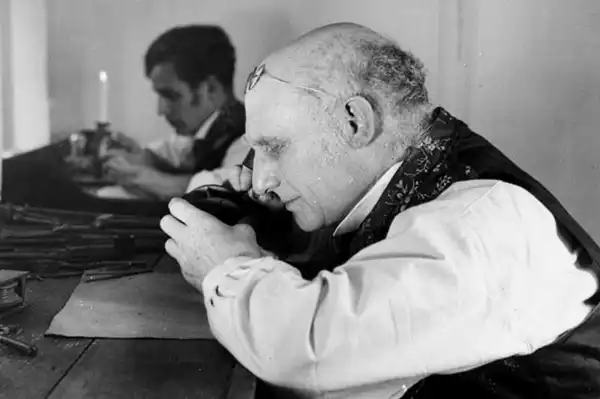
There’s a scene about halfway through where she’s walking through the market. The way the background chatter drops off just a little too sharply? It feels almost stagey, but it lands anyway. It reminded me a bit of the quiet dread you find in Poor But Honest, where the social status is everything and you're always one slip away from total ruin.
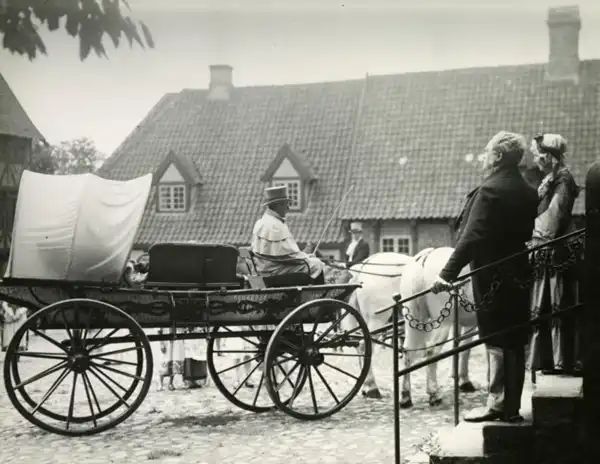
I wasn't sure if I was watching a tragedy or just a very long, very sad observation. The writers, Ralph Christian Holm and Hans Hartvig Seedorff, clearly wanted to keep things grounded in the misery of the era. They succeeded, maybe a little too well. Sometimes it feels like the movie is trying to convince you that this is the saddest thing that ever happened, even when it’s just someone doing the dishes.
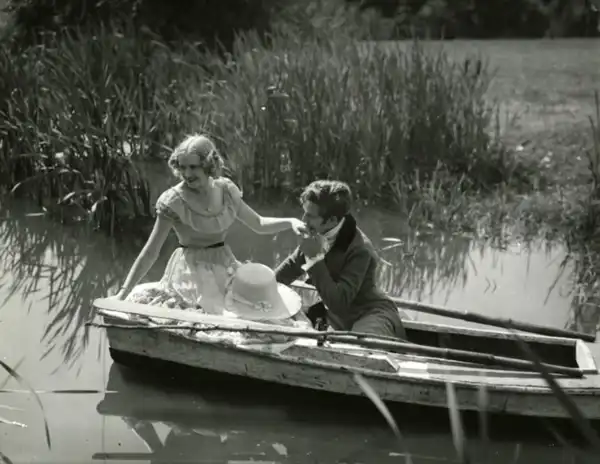
It’s not a masterpiece, and it definitely feels its age. But there’s something about the way it handles gossip that feels weirdly timeless. Small towns never really change, do they? They just get better at hiding the judgment behind nicer furniture.

IMDb 6.9
1928
Community
Log in to comment.