DbcultAccessing Vault...
Cult Review
Senior Film Conservator
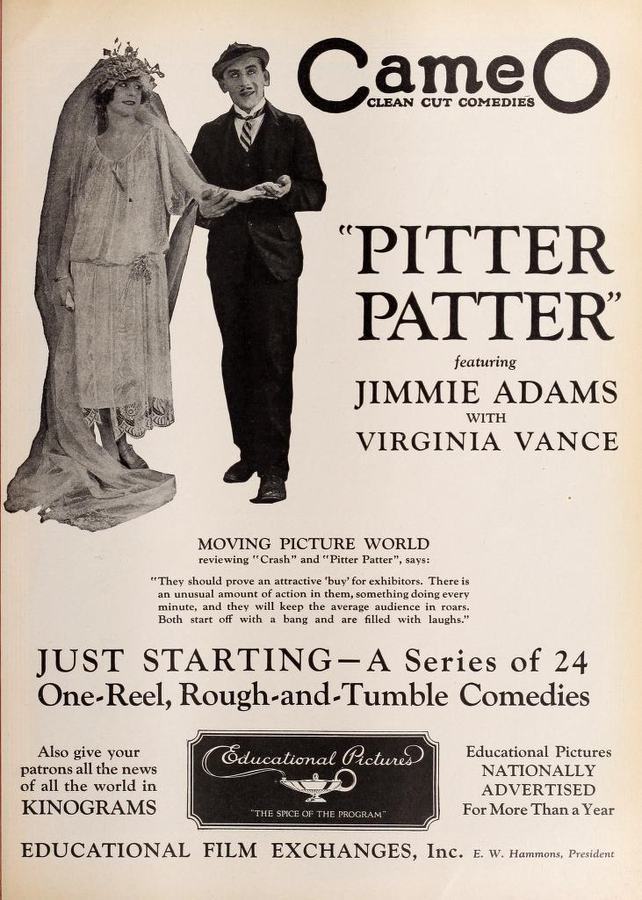
From the opening frame, *Pitter Patter* establishes a visual language that mirrors its titular onomatopoeia. The relentless rain, rendered in chiaroscuro, splashes against the cracked panes of a modest cottage, each droplet a metronome ticking down to Eleanor’s matrimonial deadline. The cinematography, reminiscent of the moody palettes found in Face to Face, employs tight close‑ups on the leaking ceiling, allowing the audience to feel the humidity seep into the characters’ psyche.
Virginia Vance inhabits Eleanor with a blend of poised anxiety and quiet rebellion. Her performance is a study in restraint; she conveys the weight of patriarchal expectation through subtle gestures—a trembling hand on the wedding veil, a lingering glance at the clock. Jimmie Adams, as Harold, provides a counterbalance with kinetic energy. His physical comedy, especially during the sequence where he commandeers a trick flivver that sputters like an old gramophone, recalls the slap‑slap‑bang vigor of classic silent‑era road movies, yet is anchored in a modern sensibility that acknowledges the absurdities of quarantine travel.
The storm is not merely a backdrop; it functions as a catalyst that exposes the fissures in the protagonists’ world. Each leak in the roof corresponds to a narrative leak—information, secrets, and emotional truths spilling forth. When the ceiling finally caves in, the resulting flood forces Eleanor to confront the fragility of the ceremony she has been groomed for. This thematic resonance aligns *Pitter Patter* with the existential drizzle of The Matrimonial Martyr, where weather mirrors inner turmoil.
The screenplay, though credited anonymously, demonstrates a keen awareness of pacing. The first act is deliberately slow, allowing tension to build as the clock ticks. The second act accelerates when Harold’s journey becomes a series of episodic set‑pieces: a bureaucratic checkpoint where he must present a dubious health certificate, a comically inept mechanic who attempts to fix the flivver with duct tape and optimism, and a tavern brawl that erupts over a misplaced umbrella. These vignettes are stitched together with a rhythm that feels almost musical, each beat punctuated by the rain’s percussion.
When evaluating *Pitter Patter* alongside The Great Mistake, one observes a shared fascination with the absurdity of timing. Both films hinge on a single deadline that dictates the protagonists’ actions, yet *Pitter Patter* injects a buoyant optimism that the former lacks. In contrast, the languid, contemplative pacing of The Lotus Eater offers a foil; where the Lotus Eater dwells in melancholy, *Pitter Patter* bursts with kinetic comedy, making its resolution feel earned rather than inevitable.
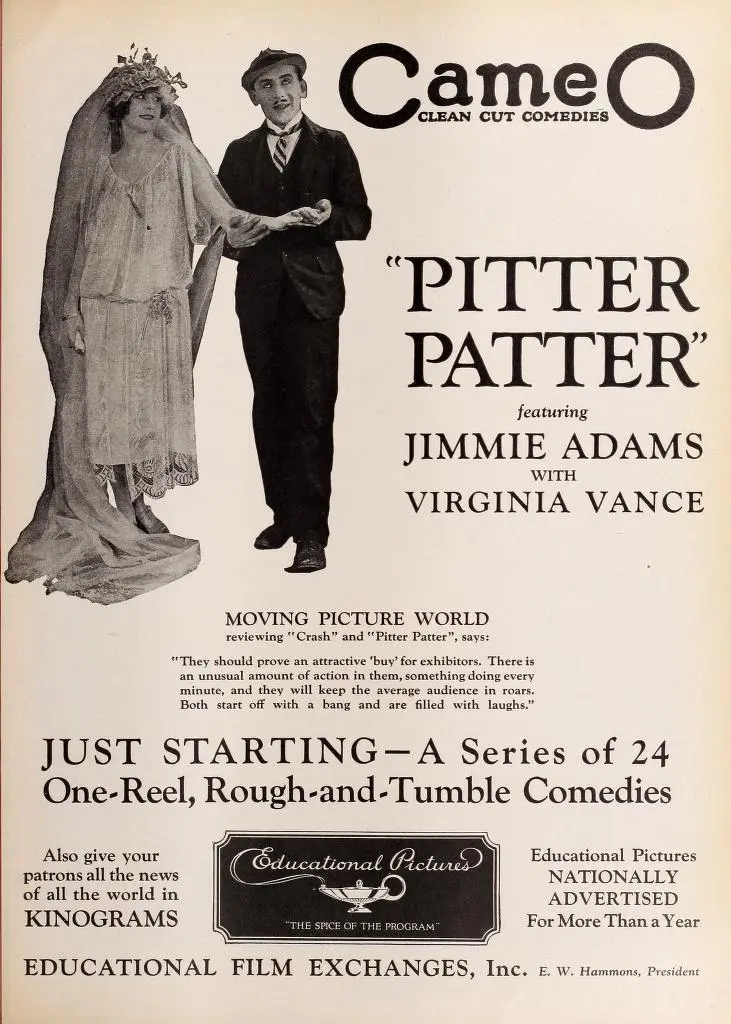
At its core, the film interrogates the tension between personal desire and social obligation. Eleanor’s impending nuptials are less about romance and more about contractual compliance, a motif echoed in the archaic stipulations of The Matrimonial Martyr. Harold’s odyssey, meanwhile, becomes a metaphor for the lengths to which love will traverse bureaucratic mazes—a commentary on contemporary pandemic anxieties. The rain, ever present, symbolizes both cleansing and chaos; it washes away the façade of propriety, revealing raw human vulnerability.
Production design excels in juxtaposing the claustrophobic interior—cracked plaster, dripping gutters—with the expansive, water‑logged exteriors. The set designers employed practical effects for the leaks, eschewing CGI in favor of tangible water streams that interact with actors, heightening authenticity. The sound design, a layered tapestry of rain, distant thunder, and the occasional squeak of the flivver’s axle, creates an immersive auditory experience. This meticulous attention to sensory detail recalls the atmospheric precision of Deti - tsvety zhizni, where ambient sound becomes a narrative voice.
Director (uncredited) opts for a restrained approach, allowing actors to inhabit their spaces without overt melodrama. Vance’s eyes, often fixed on the dripping ceiling, convey a silent dialogue with the unseen forces of tradition. Adams, meanwhile, employs physical comedy with a deftness that borders on pratfall but never descends into slapstick vulgarity. The supporting cast—particularly the mechanic, portrayed by a lanky character actor—adds texture, each cameo serving a purpose in the larger mosaic of chaos.
When the storm finally abates, the narrative reaches a crescendo that feels both inevitable and surprising. Harold’s drenched arrival, timed perfectly with the clock’s final chime, transforms the wedding from a contractual obligation into an authentic celebration of perseverance. The final tableau—rainwater glistening on the newlywed’s shoes, the cracked ceiling now patched, and the couple’s silhouettes framed against a clearing sky—offers visual poetry that lingers beyond the credits. This denouement, while adhering to conventional happy‑ending tropes, is enriched by the preceding turbulence, granting it emotional weight.
*Pitter Patter* arrives at a cultural moment where audiences crave narratives that blend humor with the anxieties of modern life. Its exploration of quarantine logistics, albeit exaggerated, resonates with viewers who have navigated similar bureaucratic labyrinths. The film’s modest budget does not hinder its ambition; instead, it showcases how inventive storytelling can transcend fiscal constraints. In the broader cinematic landscape, it stands as a testament to the enduring appeal of romantic comedies that dare to embed themselves within the stormy realities of their era.
In sum, *Pitter Patter* delivers a richly textured experience that marries slapstick vigor with thematic depth. Its characters are vividly drawn, its setting is atmospheric, and its pacing is meticulously calibrated. For aficionados of genre‑blending cinema, the film offers a rewarding blend of laughter and reflection, cementing its place as a noteworthy entry in contemporary romantic comedy. Readers seeking further comparative analysis may explore related works such as Gift o' Gab and Wrath, which similarly juxtapose personal stakes against larger societal forces.
IMDb —
1919
Community
Log in to comment.