DbcultAccessing Vault...
Cult Review
Senior Film Conservator
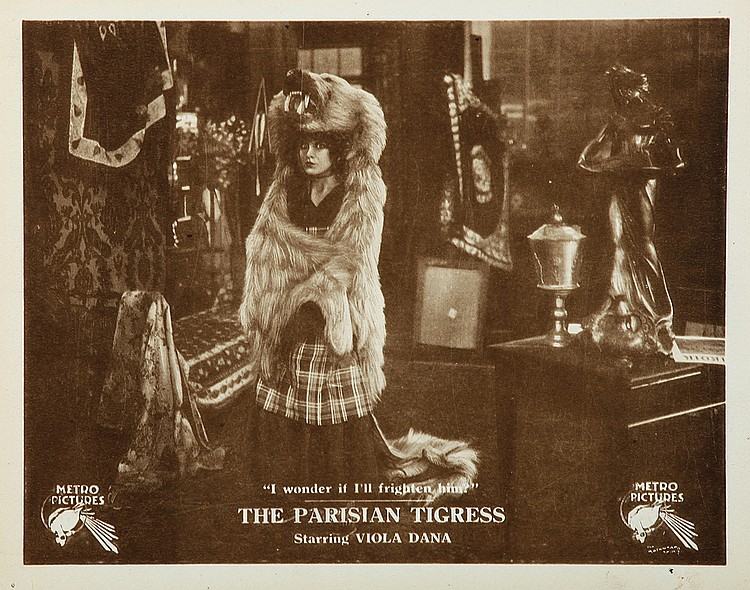
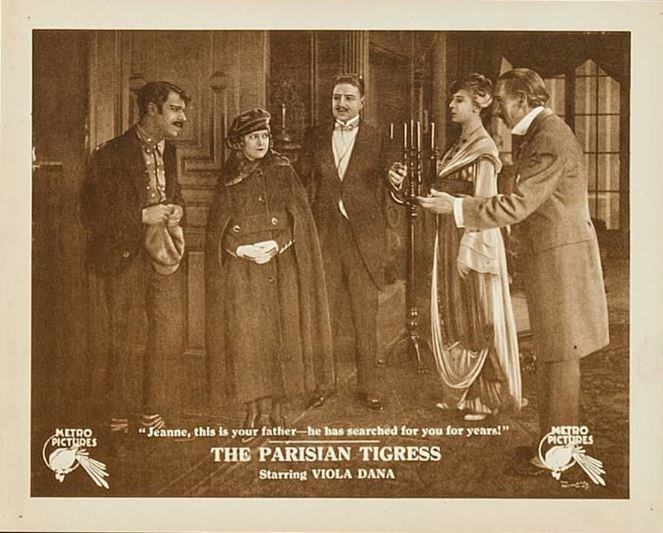
Emerging from the twilight of the silent era, Albert Capellani's The Parisian Tigress (1919) remains a remarkably textured tapestry of thwarted desire and accidental redemption. Far beyond mere melodramatic contrivance, the film dissects the brutal machinery of class with surgical precision, using the razor edge of coincidence to slice open societal hypocrisies. Its narrative architecture—a collapsing aristocratic world intersecting violently with Montmartre's predatory underbelly—creates friction that ignites both tragedy and unexpected grace.
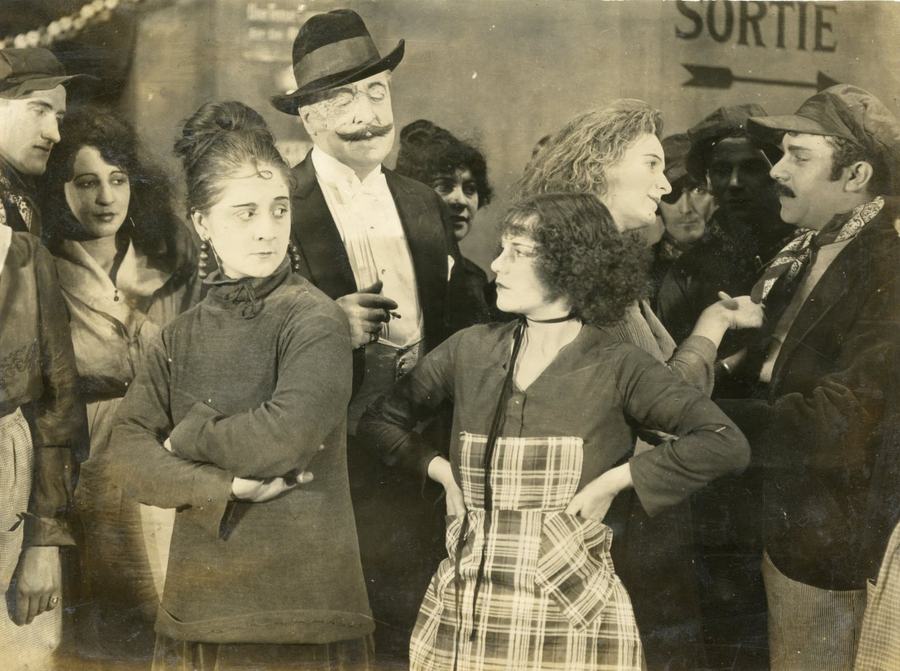
Capellani, a French director whose sensibility infused American cinema with European melancholy, paints Paris not as a city of light, but of oppressive shadows and deceptive glimmers. The Count's mansion resembles a mausoleum—dust motes dance in shafts of weak light illuminating Edward Connelly's consumptive fragility, every cough echoing off velveteen drapes. This gilded decay contrasts savagely with the Montmartre sequences: a kinetic hellscape captured in canted angles and frenetic editing. Henri's studio becomes the pivotal liminal space—part sanctuary, part prison—where Jeanne's raw energy first crashes against bourgeois artifice. The chiaroscuro lighting here is masterful; watch how Viola Dana's face emerges from darkness during her initial confrontation with Henri, half-feral, half-terrified, sculpted by a single hanging bulb.
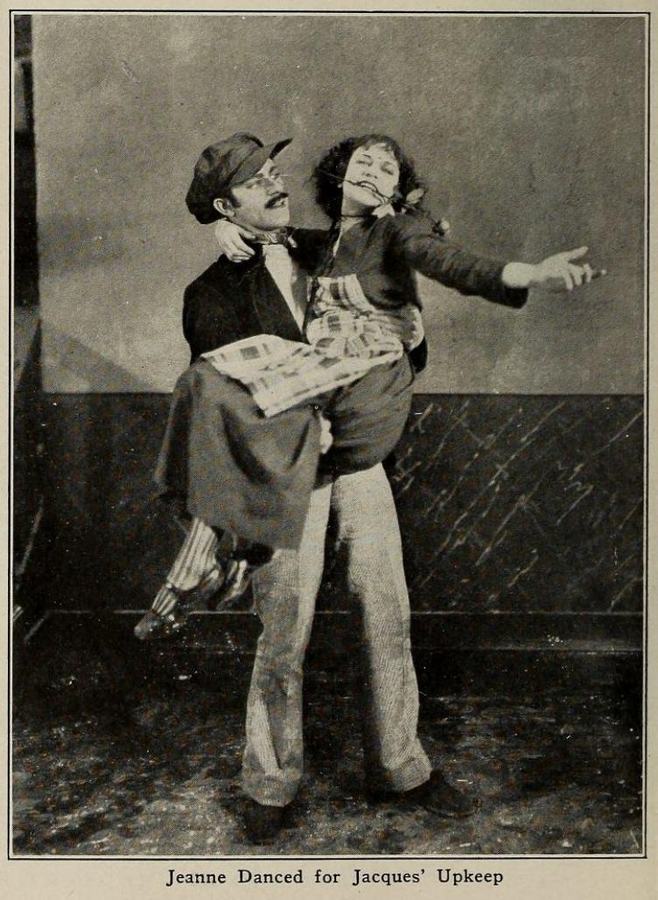
Viola Dana's Jeanne is the film’s bruised, beating heart—a performance avoiding the era's tendency toward broad pantomime. Her Apache dance isn't spectacle but survivalist rage, every whip-crack movement screaming defiance against Jacques’s exploitation. Notice the subtle shift when she enters the Count's world: the tightening of her shoulders, the wariness in her eyes even as she sips tea from porcelain. Dana communicates Jeanne's internal conflict through minute physicality—the hesitation before returning the Count's embrace, the way her fingers trace the rim of a silver bowl as if assessing its weight as a weapon or treasure. This complexity peaks in the devastating recognition scene: discovering her mother's photograph, Dana doesn't weep but stares with hollow-eyed comprehension, the truth a physical blow that crumples her posture. Unlike the passive heroines of contemporaneous works like To Honor and Obey, Jeanne actively shapes her destiny, even when maneuvering within others' deceptions.
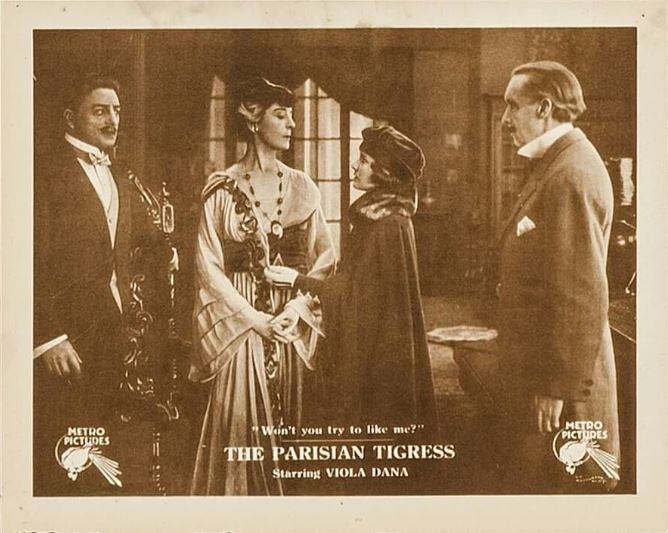
The film's central irony—Jeanne unknowingly being the aristocratic heir while performing the role—dissects the arbitrary nature of class. Her "acting" as the Count's daughter reveals the performative basis of nobility itself. Henri's studio becomes a rehearsal space for social climbing, mirroring the transactional relationships in Society's Driftwood. Yet Capellani subverts expectations: legitimacy brings Jeanne not power, but profound isolation. Her final marriage to the neighboring estate boy feels less like a happy ending than a retreat into quiet obscurity—a rejection of the toxic systems that birthed and nearly destroyed her.
Louis Darclay's Jacques transcends simplistic villainy. His predatory actions stem from Montmartre's brutal economy—a brother reduced to flesh-peddler. When he discovers the photograph confirming Jeanne's lineage, Darclay plays the moment with startling pathos: avarice crumbling into stunned realization that his commodity was genuine aristocracy all along. His death at the butler's hands isn't justice, but tragic waste—a casualty of the very class structure he tried to game.
June Mathis, one of silent cinema’s premier scenarists, weaves a narrative where coincidence serves thematic weight, not mere convenience. The photograph in the safe isn't just a plot device; it’s a ghost returning to expose generational trauma. Mathis contrasts the Count’s paternal love—achingly pure despite being misdirected—with Jacques’s transactional brutality. This duality reflects the era's explorations of familial duty seen in Iris, but with sharper sociological teeth. The script’s genius lies in making the audience complicit: we initially root for Henri’s deception, only to feel its moral corrosion as Jeanne’s genuine affection for the Count deepens.
Unlike the frenetic energy of Mile-a-Minute Kendall, Capellani employs stillness as emotional weaponry. The Count’s death scene unfolds with devastating quietude—close-ups of trembling hands, Jeanne’s silent tears, the slow extinguishing of a bedside candle. This restraint amplifies the subsequent violence of Jacques’s robbery. Capellani also masterfully uses motifs: Jeanne’s Apache headscarf reappears subtly draped over a chair in the mansion, a visual reminder of the identity she can never fully shed. His framing constantly traps characters—behind lattice windows, within doorframes, under oppressive ceilings—visualizing societal imprisonment.
The film avoids facile moralizing. Henri isn't punished for his mercenary scheme; he simply fades from the narrative, his role as puppeteer concluded. The butler’s murder of Jacques is treated as loyal duty, not crime. This moral ambiguity places The Parisian Tigress closer to the complex character studies found in Sodoms Ende than the tidy resolutions of The Safety Curtain. The true villain is systemic: an aristocracy upholding bloodlines while destroying lives, and a underclass where love is commodified. Jeanne’s marriage to the provincial neighbor—devoid of grand passion but promising stability—becomes a quiet rebellion against both worlds.
"Jeanne's journey is not ascent, but escape—a tiger fleeing gilded cages and filthy alleys for the unremarkable pasture."
Over a century later, the film’s power lies in its refusal to romanticize either poverty or privilege. The Parisian Tigress understands that identity is often imposed, not innate—Jeanne becomes 'real' aristocrat only when a photograph confirms it, highlighting the absurdity of bloodline worship. Its visual language—from the expressionistic shadows of Montmartre to the suffocating opulence of the estate—influenced later noirs and gothic romances. Dana’s performance remains a benchmark for portraying female resilience without saintliness. While films like The Summer Girl offered escapist fluff, Capellani delivered a piercing, poetic indictment of societal structures that commodify the human heart. The final image—Jeanne walking away from the camera toward a simpler life, shoulders finally relaxed—isn't triumph, but hard-won peace, leaving audiences with lingering melancholy for battles fought off-screen.
More than a melodrama, The Parisian Tigress is a meticulously crafted lament for the selves we sacrifice at the altars of class and convention. Its genius resides not in the improbable twist of Jeanne's true parentage, but in the devastating understanding that authenticity, once discovered, demands the rejection of the very systems that denied it. In this dance of deception and desire, Capellani and Mathis crafted not just a silent film, but a timeless echo of the masks we all wear to survive.
IMDb —
1917
Community
Log in to comment.