DbcultAccessing Vault...
Cult Review
Senior Film Conservator

If you're the kind of person who likes watching old, grainy footage just to see how people lived a hundred years ago, you'll probably dig this. It’s a visual feast. But if you need a clear, three-act story with a beginning, middle, and end, you’re going to be frustrated. This thing is more of a collage than a movie.
People who love People on Sunday for that fly-on-the-wall observational feel might find something here, though this is much more stylized and, frankly, intense.
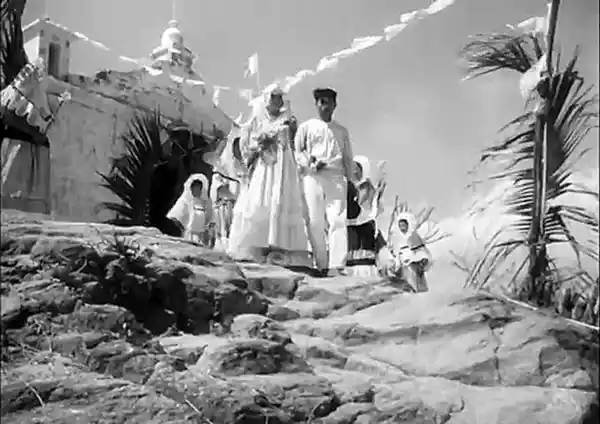
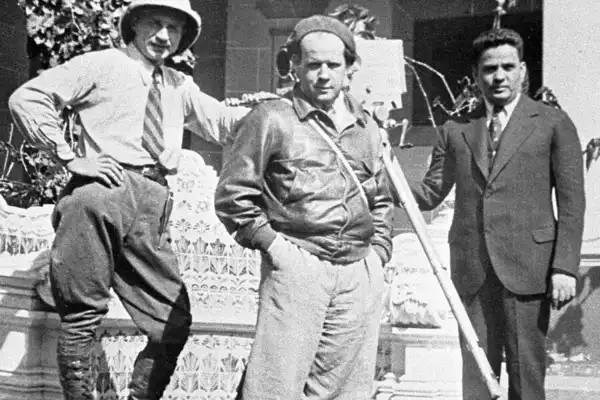
You can tell Eisenstein was trying to capture something huge. He wasn't just filming; he was obsessed. The way the shadows fall on the faces of the locals feels almost religious. There’s a specific shot of a bullfighter that just hangs there forever—you can almost smell the dust and the heat in the arena. It’s wild.
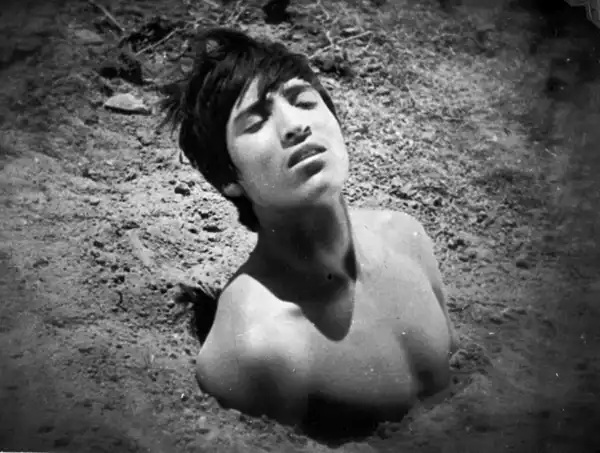
Sometimes the editing feels like a punch to the gut, just like you'd expect from the guy who made Potemkin. Other times, it just wanders off into the countryside to look at a cactus for twenty seconds too long. It’s that lack of polish that makes it feel human, I guess.
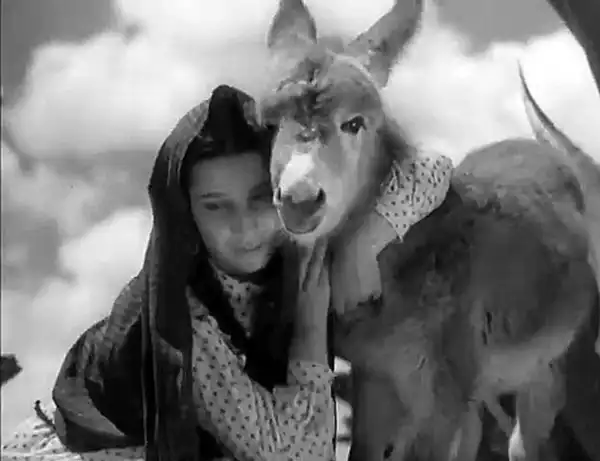
The whole project has this tragic, unfinished energy. It’s like looking at a beautiful ruin. You keep wondering what it would have looked like if he’d actually been allowed to finish his vision without the studio suits breathing down his neck. 🙄

There’s a part near the middle where the film just stops being about the plot entirely. It becomes a series of portraits. It’s hypnotic. I found myself checking my watch, then realizing I didn't actually care what time it was. That doesn't happen often with modern movies.
It’s not a masterpiece in the clean, museum sense. It’s a glorious disaster. If you go in expecting a cohesive story, you'll hate it. If you go in expecting to get lost in a different world, you'll be fine. Just don't ask me to explain the ending, because honestly, I'm not sure there is one.

IMDb 6
1930
Community
Log in to comment.