DbcultAccessing Vault...
4.6/10
Senior Film Conservator
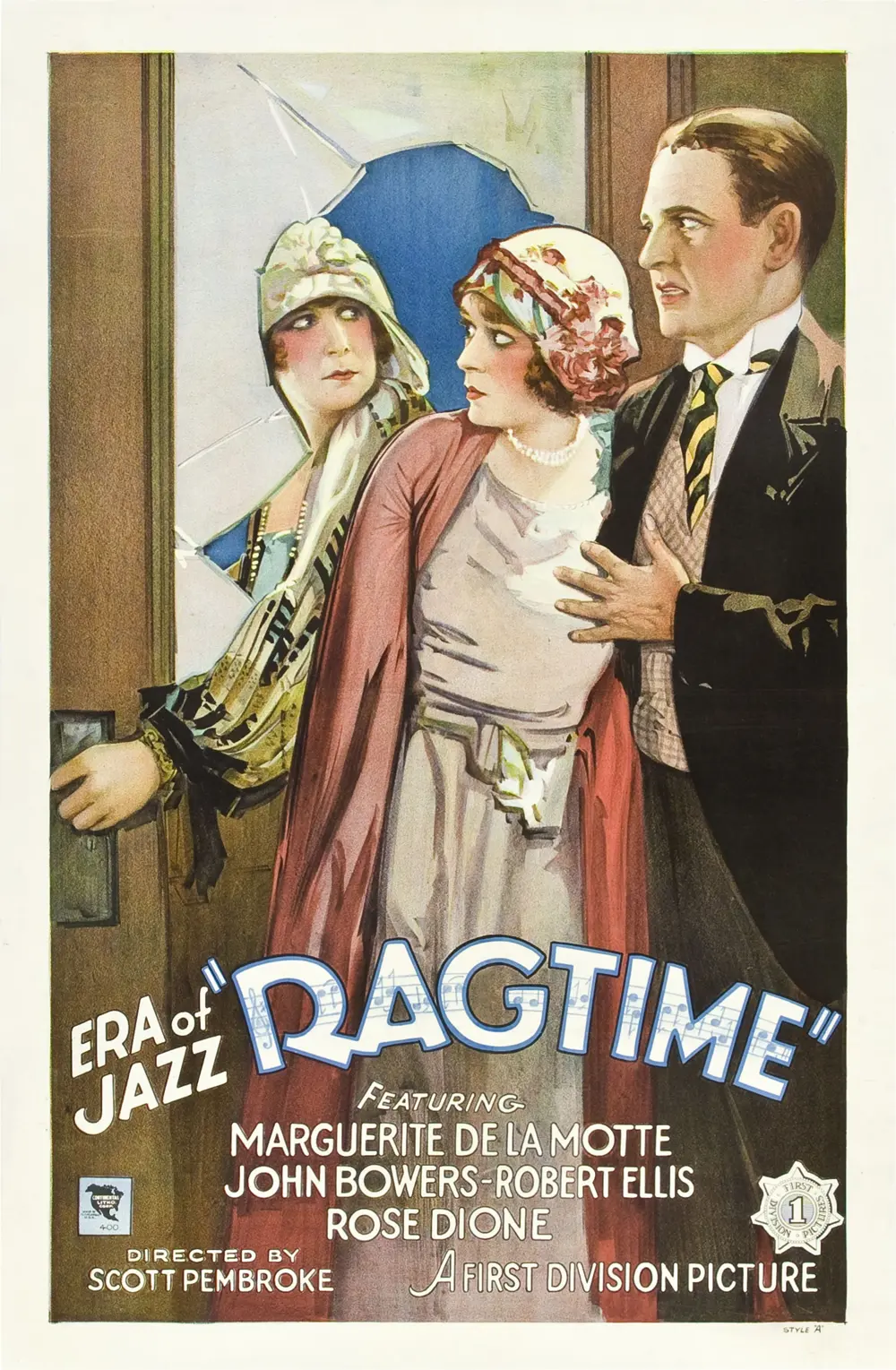
A definitive 4.6/10 rating for a film that redefined the boundaries of cult cinema. Ragtime remains a cornerstone of transgressive art.
Is Ragtime worth your time in an era of high-octane digital thrillers? Short answer: Yes, but only if you appreciate the slow-burn tension of a era where a single look could mean more than a thousand lines of dialogue.
This film is for the patient viewer who enjoys deconstructing the mechanics of a classic mystery. It is absolutely not for those who require rapid-fire editing or a bombastic musical score to stay engaged.
1) This film works because it utilizes the limitations of silent cinema to heighten the sense of paranoia and isolation among its suspects.
2) This film fails because the middle act relies too heavily on repetitive title cards that break the visual flow established in the opening sequence.
3) You should watch it if you have a penchant for pre-Code aesthetics and want to see John Bowers at the absolute height of his dramatic powers.
To answer the question directly: Ragtime is a foundational piece of the mystery genre that deserves more than a footnote in history. It offers a blueprint for the 'locked room' mystery that many modern directors still struggle to execute with this much grace. Unlike The Girl Who Came Back, which leans into sentimentality, Ragtime remains cold, calculated, and surprisingly cynical.
The film demands your full attention. You cannot scroll through your phone while watching this. If you miss a single close-up of Marguerite De La Motte, you might miss the very clue that solves the puzzle. It is a rewarding experience for the observant.
The direction by the collective efforts of Mitchell, Dromgold, and Plannette is surprisingly cohesive. Often, films with multiple writing credits feel disjointed, but Ragtime flows with a singular purpose. The cinematography doesn't just record the actors; it traps them. Take the scene where Charles Wellesley’s character is interrogated in the study. The shadows are long, harsh, and oppressive, reminiscent of the visual language found in The Night Horsemen.
John Bowers delivers a performance that is uncharacteristically restrained for 1927. While his peers were often prone to wild gesticulation, Bowers uses his eyes to convey a mounting sense of dread. It is an internal performance. It works. But it’s flawed. Sometimes the restraint feels like static, leaving the audience wanting just a bit more emotional release during the climax.
The pacing is where the film shows its age. The setup is brilliant, establishing the stakes within the first ten minutes. However, the investigation phase drags. We spend a significant amount of time watching characters walk into rooms and look at papers. It lacks the kinetic energy found in The Combat, though it makes up for it with a superior third-act twist.
What makes Ragtime stand out is its subtle commentary on class. The 'who dunnit' aspect is the hook, but the true meat of the story is how the characters protect their social standing. Bernard Siegel’s performance as the outsider is particularly poignant here. He represents the intrusion of reality into a fantasy world of wealth. This thematic depth is something you don't always find in contemporaries like Miami or Stranded.
The film suggests that everyone is guilty of something, even if they didn't pull the trigger. This moral ambiguity is a bold choice. It refuses to give the audience a purely heroic figure to root for. Even Bowers’ protagonist feels tainted by the secrets he uncovers. It’s a cynical worldview that feels more at home in the 1940s noir era than the late silent period.
Technically, the film is a marvel of lighting. The use of practical light sources—lamps, candles, and windows—creates a naturalistic atmosphere that was ahead of its time. In the sequence where Kate Bruce’s character discovers the final piece of evidence, the flickering light creates a sense of instability that perfectly mirrors her mental state. It’s a simple trick, but it’s executed with surgical precision.
The editing is conservative. It doesn't experiment with the montage styles seen in The Cyclist. Instead, it relies on long takes and careful blocking. This allows the actors to build tension within the frame. It is a theatrical approach to cinema, but one that respects the intelligence of the viewer.
Pros:
Cons:
We often look at silent films as museum pieces. We see them as artifacts rather than art. Ragtime breaks that mold. It feels alive because the emotions—fear, greed, and desperation—are universal. When Robert Ellis stares into the camera during the final confrontation, you don't see a silent actor from 1927. You see a man cornered by his own choices. That is the power of great cinema, regardless of the technology used to capture it.
The film is also a tragic reminder of John Bowers' own life. Knowing his eventual fate adds a layer of melancholy to his performance here. He plays a man searching for a truth that might destroy him, and there is a haunting sincerity in his delivery that is impossible to ignore. It’s raw. It’s real. It’s uncomfortable.
Ragtime is a sophisticated, if occasionally sluggish, mystery that proves the 'who dunnit' genre was perfected long before the advent of sound. While it lacks the frenetic energy of The Galloping Jinx, it offers a cerebral experience that is rare for its time. It is a film of quiet moments and loud secrets. It isn't perfect, but it is essential viewing for anyone who wants to understand the evolution of cinematic suspense. The camera doesn't blink. Neither should you.
Ragtime is a testament to the fact that you don't need words to tell a complicated story. You just need a director who knows where to put the shadows and an actor who knows how to hide a secret in plain sight.

IMDb 5.9
1927
Community
Log in to comment.