DbcultAccessing Vault...
Cult Review
Senior Film Conservator
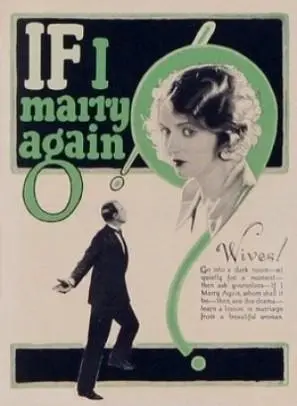
The cinematic landscape of the mid-1920s was often a battleground between Victorian moralism and the burgeoning complexities of the Jazz Age. If I Marry Again, directed with a keen eye for social stratification, stands as a quintessential artifact of this era. It is a film that doesn't merely depict a family rift; it interrogates the very marrow of class-based prejudice. While many contemporary films like The Italian focused on the immigrant struggle, this narrative turns its gaze inward, toward the rotting core of American aristocracy. The premise—a wealthy father disowning his son for a 'degrading' marriage—might seem like a well-worn trope, but the execution here is imbued with a visceral intensity that transcends the melodrama of its peers.
The opening acts in San Francisco are a masterclass in visual storytelling. We see the stark contrast between the cold, marble-laden halls of the father's mansion and the vibrant, albeit socially shunned, world of the bride. Hobart Bosworth delivers a performance of chilling restraint as the patriarch. His silence is not merely a byproduct of the medium; it is a weapon. In many ways, his character mirrors the unyielding nature of the protagonist in The Black Stork, though his eugenics are social rather than biological. The rejection of the son is portrayed not as a moment of passion, but as a clinical removal of a defective limb from the family tree.
The marriage itself is treated with a surprising amount of dignity by the screenwriters Kenneth B. Clarke and Gilbert Frankau. They avoid the easy trap of making the bride a caricature of her mother's profession. Instead, Anna Q. Nilsson portrays her with a luminous purity that highlights the hypocrisy of the San Francisco elite. This thematic depth reminds one of the nuanced characterizations in Erlebnisse einer Sekretärin, where the workplace becomes a crucible for female identity. Nilsson’s performance is the emotional anchor, providing a necessary warmth against the frigid backdrop of high-society machinations.
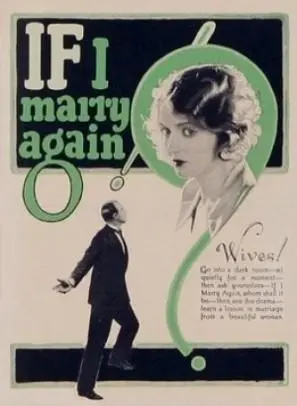
When the narrative shifts to the South Seas, the film undergoes a profound aesthetic transformation. The sharp, high-contrast lighting of the city gives way to a softer, more diffused glow, capturing the oppressive humidity of the plantation. This isn't the romanticized South Seas of later Hollywood escapism; it is a place of grueling labor and existential dread. The transition is as jarring as the tonal shifts found in The Wildcat, though here it serves a more somber purpose. The plantation represents a liminal space where the couple is stripped of their titles and forced to confront their humanity.
"The South Seas in 'If I Marry Again' serves not as a paradise, but as a crucible where the gold of the spirit is separated from the dross of social standing."
The introduction of the father's agent—a man tasked with bribing the bride into desertion—introduces a noir-like tension. This sub-plot allows the film to explore themes of loyalty and the corrupting power of wealth. Unlike the comedic undertones of Pick Out Your Husband, the stakes here are life-altering. The bride’s refusal is a pivotal moment of agency, proving that her character possesses a moral compass far more accurate than that of the wealthy father. It is a scene that resonates with the same grit found in The Unholy Three, where characters are frequently defined by their refusal to succumb to the easiest path.
The death of the son is handled with a restraint that maximizes its impact. It is not a grand, operatic finale, but a quiet, devastating realization of mortality. This loss transforms the bride. The vulnerability she displayed in the early acts hardens into a diamond-sharp resolve. When she returns to San Francisco, the film shifts gears into a revenge drama that anticipates the psychological depth of Black Oxen. She is no longer the girl who married for love; she is a mother protecting her child's legacy and a woman seeking to dismantle the patriarchy that discarded her.
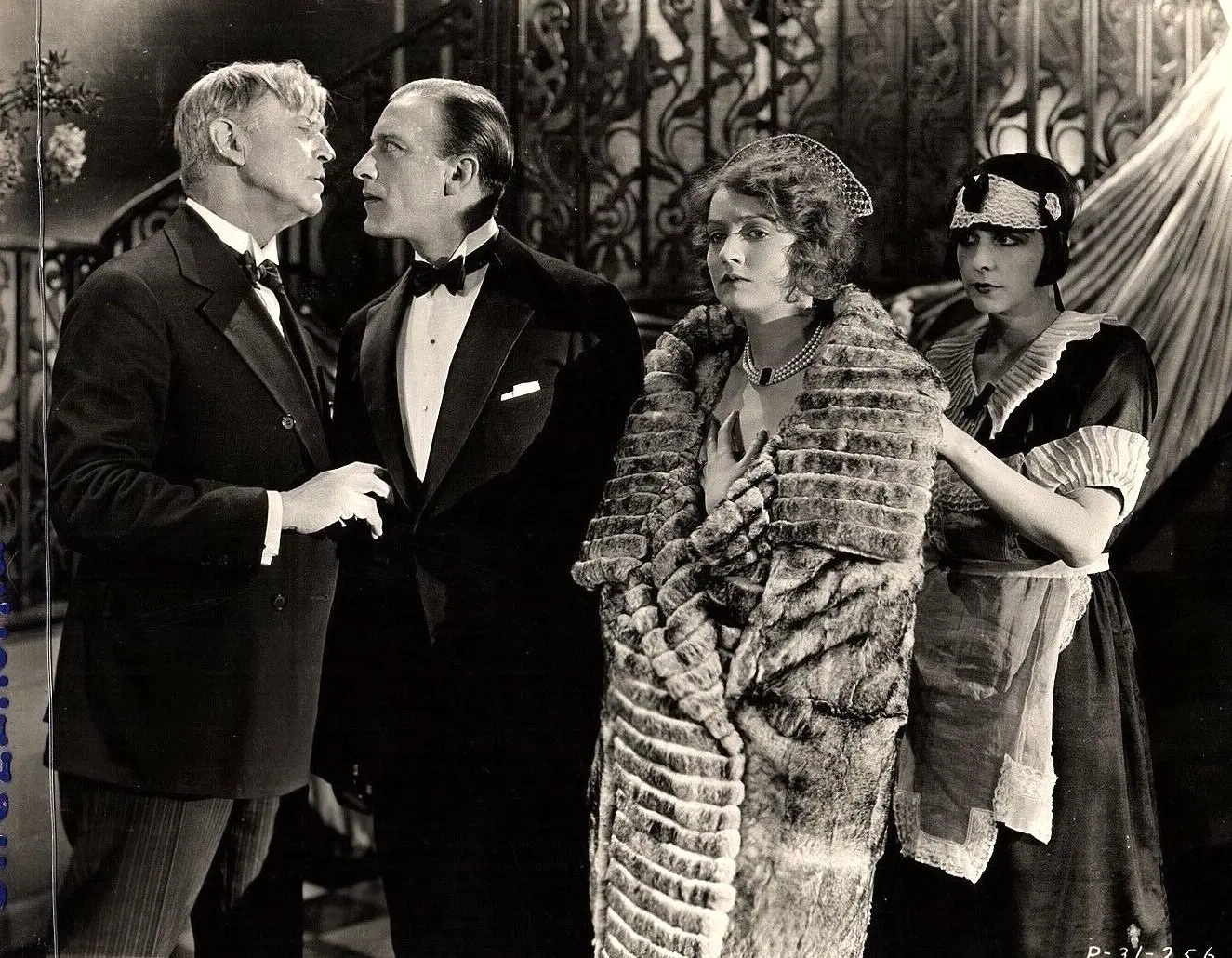
The confrontation with the father-in-law is the film's piece de resistance. The use of close-ups during this sequence is revolutionary for 1925, capturing every micro-expression of guilt and defiance. It lacks the whimsical nature of Dorothy Vernon of Haddon Hall, opting instead for a somber, almost gothic atmosphere. The cinematography emphasizes the ghost-like presence of the deceased son, haunting the room through the eyes of his widow and his child. It is a sequence that rivals the emotional weight of Always in the Way, yet it carries a much sharper edge.
Anna Q. Nilsson’s performance cannot be overstated. In an era often criticized for over-the-top pantomime, she offers a masterclass in subtlety. Her journey from a hopeful bride to a grieving widow and finally to a vengeful architect is seamless. One might compare her trajectory to the characters in Gefangene Seele, where the soul is literally and figuratively imprisoned by external circumstances. Similarly, Lloyd Hughes as the son provides a tragic sweetness that makes his eventual passing all the more painful.
The direction by the uncredited (or often overlooked) hands behind this production shows a sophisticated understanding of pacing. The film breathes. It allows the audience to sit with the characters in their moments of despair. This is a far cry from the frantic energy of Caught in the Act. Instead, If I Marry Again leans into the stillness, using it to build a sense of impending doom. The set design, particularly the contrast between the plantation's ramshackle structures and the father's oppressive mansion, serves as a silent narrator, constantly reminding us of the vast economic chasm that separates the characters.
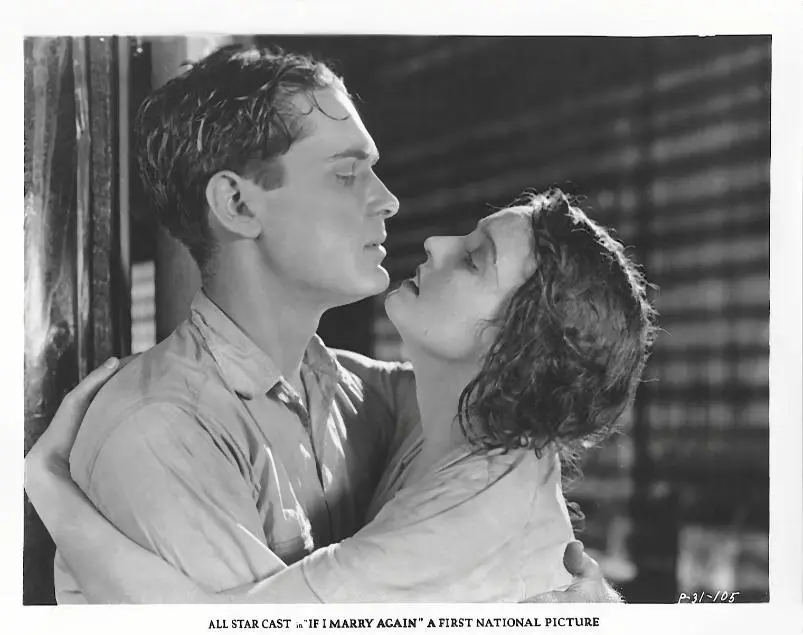
In the broader context of 1920s cinema, If I Marry Again acts as a bridge between the moralistic tales of the previous decade and the gritty realism that would follow. It shares a certain DNA with The Girl and the Judge in its exploration of legal and social justice, yet it feels more personal, more intimate. While Mouchy explored different facets of the human condition, this film remains laser-focused on the theme of familial betrayal.
The film also touches upon the concept of the 'unseen' hero—the child who represents the future. This thematic element is handled with more nuance than in The Courageous Coward, where heroism is often loud and performative. Here, heroism is found in the quiet endurance of a mother who refuses to let her son be erased from history. The final act, while satisfying, leaves the audience with a lingering sense of melancholy. The victory is hard-won and stained with the blood of the innocent, much like the resolution in Time Lock No. 776.
Technically, the film is a marvel of its time. The editing is particularly noteworthy, utilizing cross-cutting to heighten the tension during the bribery scenes and the final confrontation. The intertitles are poetic without being flowery, providing just enough context to enhance the visual narrative without overwhelming it. The use of shadows in the San Francisco scenes creates a film-noir precursor aesthetic that is remarkably modern. One can see the influence of German Expressionism creeping into the American melodrama, a trend also visible in the works of the era's more experimental directors.
The costume design also plays a crucial role. Nilsson’s evolution from the fashionable flapper-adjacent styles of her early marriage to the severe, mourning-black attire of her return signifies her internal transformation. It is a visual shorthand that effectively communicates her state of mind. This attention to detail is what elevates If I Marry Again from a mere 'tear-jerker' to a sophisticated piece of social commentary. It demands that the viewer look past the surface-level plot and engage with the underlying critiques of wealth, power, and the patriarchal structure of the early 20th century.
Ultimately, the film serves as a powerful reminder of the enduring nature of maternal love and the destructive capacity of pride. It is a narrative that remains relevant, as the themes of class warfare and the struggle for social acceptance continue to permeate our modern discourse. While some of the plot points may feel dated to a contemporary audience, the emotional core of the film remains as potent as ever. It is a testament to the power of silent cinema to convey complex human emotions through the simple yet profound language of the face and the frame.
For those interested in the evolution of the melodrama, If I Marry Again is essential viewing. It provides a fascinating look at the social anxieties of its time while offering a timeless story of resilience and retribution. It is a film that lingers in the mind long after the final iris-out, a haunting melody played on the keys of social injustice and personal triumph. In the pantheon of 1925 releases, it deserves a place of honor, standing tall as a work of significant artistic and thematic merit.
IMDb —
1928
Community
Log in to comment.