DbcultAccessing Vault...
Cult Review
Senior Film Conservator
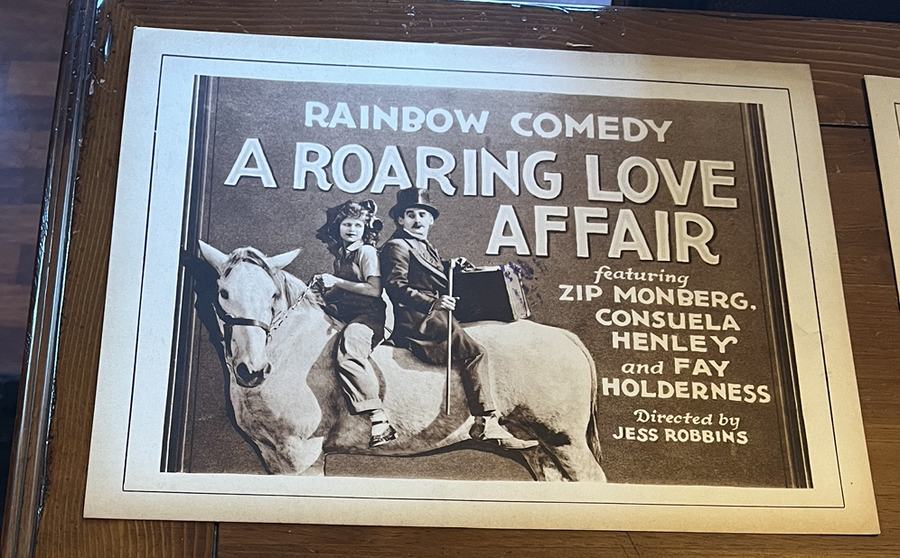
The first time I saw Roaring Love Affair it was a 16 mm print spliced with French intertitles and mildew the color of dried blood; the second time, a DCP scanned from a sole surviving Czech nitrate, its amber burns flickering like cigarette holes in black velvet. Both viewings left me woozy, as if I’d stepped off a carousel spinning too fast, ears full of calliope smoke and heart full of splinters.
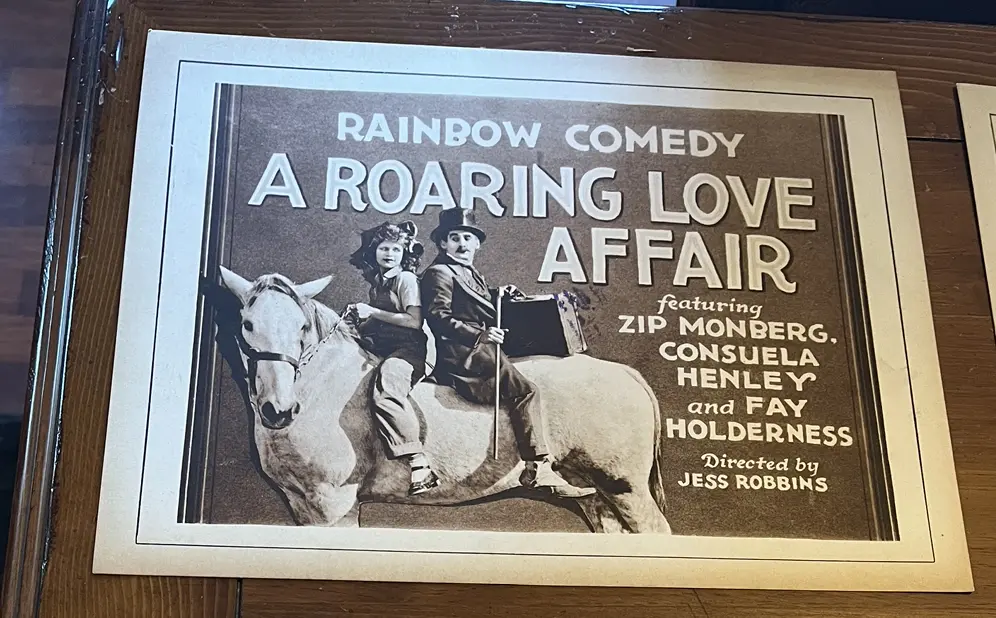
Jess Robbins’s 1925 carnival noir—yes, noir before the term was French lipstick on Hollywood cigarettes—smuggles Germanic shadows into an American midway, welding slapstick ribs to a tragedy that gnaws. The plot, deceptively simple, is a pocket-watch hurled against a brick wall: gears fly, time stutters, and you’re never sure which shard will slit your thumb.
Zip Monberg’s ringmaster—imagine a young Barrymore fed on bootleg gin and bad bets—owns the opening tableau, swaggering past tin-plate photos of Buffalo Bill like he invented swagger. His waxed mustache twitches every time Connie Henley’s snake charmer steps onstage, hips swaying to a tune only the cobra hears. Henley, draped in sequins the color of bruised peaches, plays her role with eyelids half-mast, a sultriess that predates Die Herrin der Welt’s icy femme fatale by a full year. The chemistry between them is all kerosene and flint; when he whispers “You handle snakes, I handle suckers,” the line crackles like a fuse.
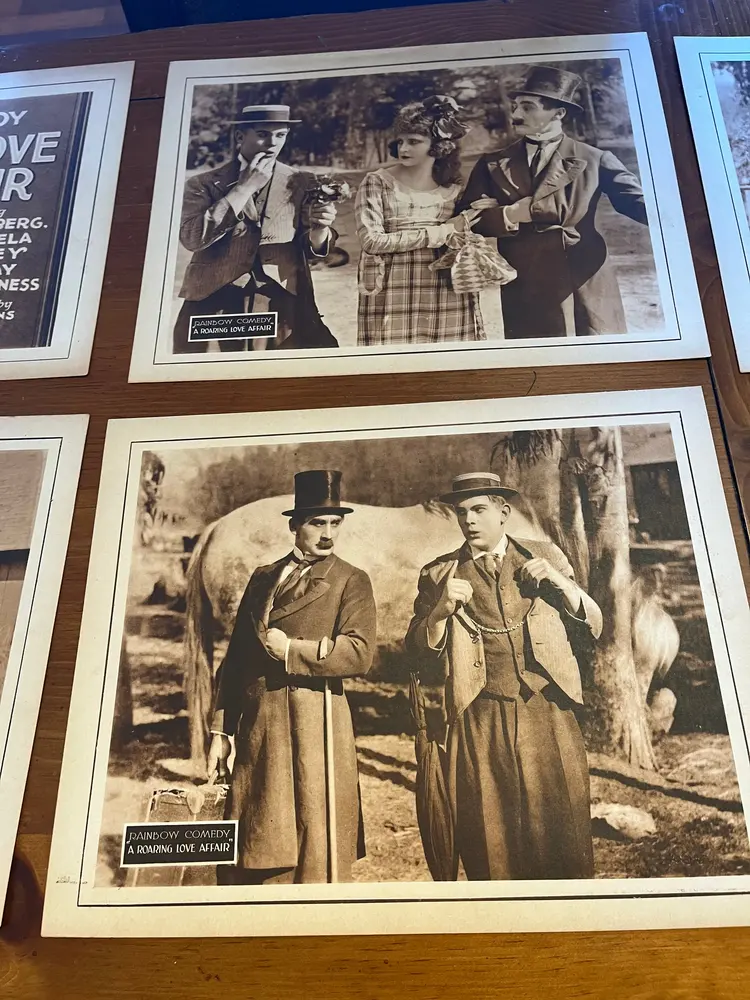
Enter Harry Sweet’s lion tamer, a man whose shoulders slump as if the weight of every beast he’s whipped sits invisible on his collar. Sweet, better known for two-reel comedies, here channels a Stanislavskian exhaustion: his eyes carry the thousand-yard stare of someone who’s seen claws unzip human skin. The narrative pivots when his big cat escapes during a thunderstorm—an off-screen raid that nonetheless drenches the film in primal dread—and Henley offers refuge in her wagon, a tin-roof shack vibrating with sexual static.
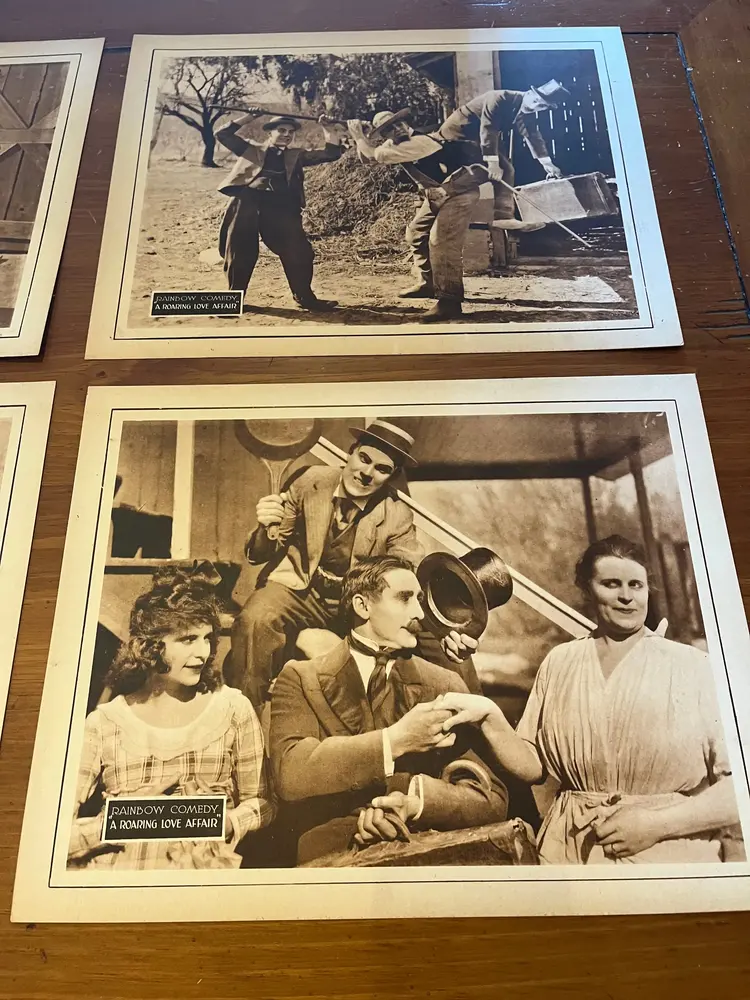
What unfolds is less love triangle than knife-throwing target: every glance is a blade flung at a rotating heart. Robbins, who cut his teeth on Misfits and Matrimony’s marital farce, now tilts the frame askew, letting German expressionism seep in like sump water. Watch the sequence where Monberg stalks through the hall-of-mirrors: cinematographer (uncredited, likely Frank Zucker) layers reflections so that a dozen Zips advance, each more distorted, until the real man shatters his own image with a carnival mallet—an act that prefigures the self-lacerating masculinity of Blind Husbands by a near decade.
Henley’s response is quieter but twice as deadly. She performs a midnight cooch dance atop the ferris wheel cab, ankles hooked around the safety bar, arms undulating like charmed cobras—an erotic defiance shot from below so the moon backlighting her gauzy skirt turns her into a negative image of purity. Monberg watches from the ground, fedora brim devouring his eyes, while Sweet’s silhouetted figure climbs the opposite strut, a man ascending toward salvation or annihilation—both, perhaps.
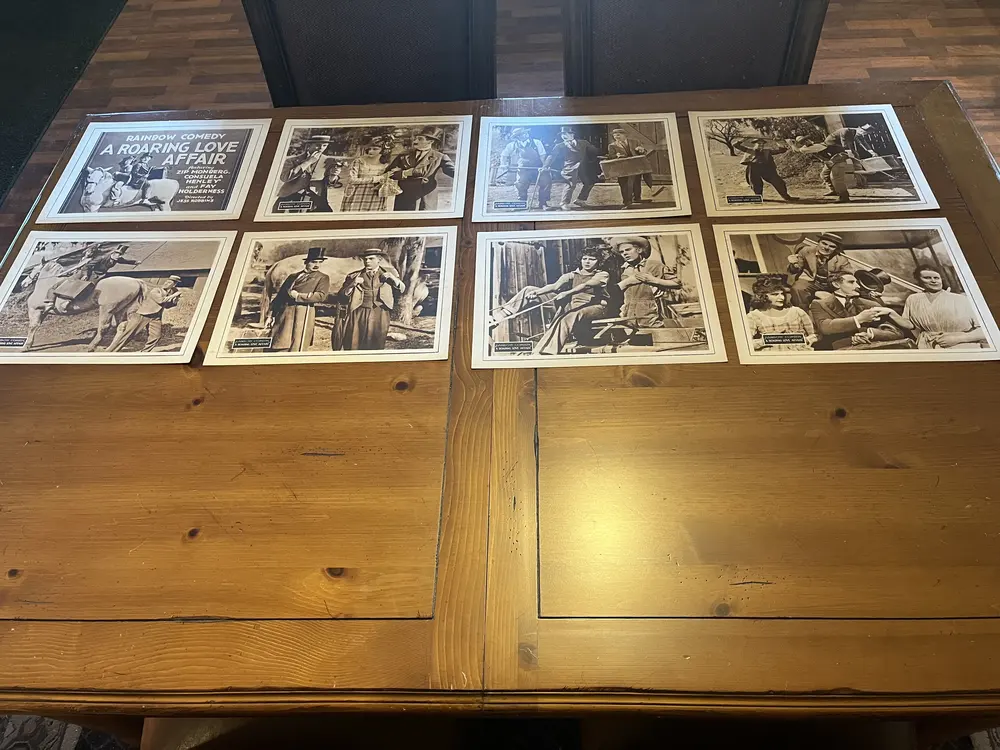
Silent cinema at its best weaponizes absence; Robbins lets the calliope die so we hear only the squeak of the wheel and the hush of river mist. In one bravura passage, nearly three minutes elapse without intertitles. Henley and Sweet share a tin cup of coffee laced with bootleg rum: steam curls, cup clinks, their knees almost touch. The restraint is scalding—more erotic than any kiss—because we’re forced to project our own longing into the vacuum. Compare this to the verbose moralizing of The Burden of Proof; Robbins trusts the viewer’s pulse more than title-card sermons.
Yet the film refuses solemnity. Fay Holderness, playing a fortune-teller whose crystal ball is actually a repurposed goldfish bowl, hijacks several reels with pratfalls that would make Keaton grin. Her trousers catch on a tent spike, she somersaults into a vat of pink popcorn, emerges sugared and indignant—only to predict “You’ll marry misery and honeymoon in hell!” to a rube who promptly proposes. These tonal whiplashes should sink the narrative, yet they mirror the carnival’s own schizophrenia: half cathedral of wonders, half flea-bitten grift.
Robbins’s genius lies in letting the comedy bleed straight into tragedy. Minutes after Holderness’s popcorn baptism, we see Sweet stitching claw gasks on a lion’s paw; the same pink tint used for the popcorn now colors the blood, an ironic echo that whispers: laughter and aguish are dyed the same hue.
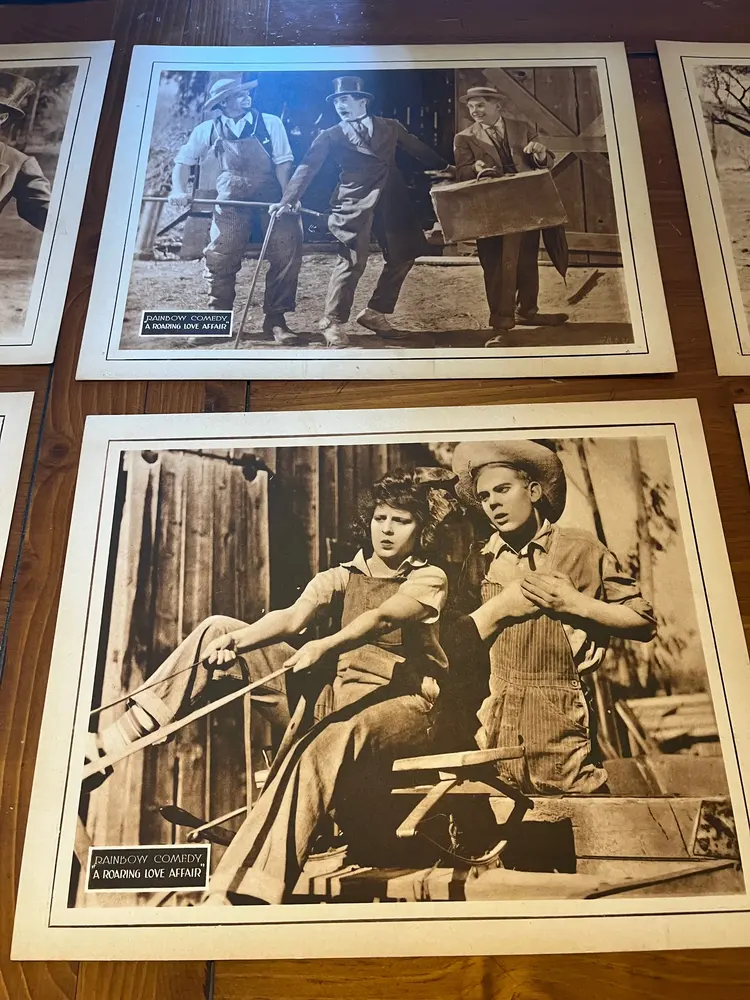
The climax arrives at river’s edge at dawn, fog thick as spun mercury. Monberg challenges Sweet to cross the abandoned shipyard crane arm—an improvised tightrope—winner takes Henley, though by now the woman has already slipped away in a skiff, tired of being wagered currency. Neither man knows this. They climb. Robbins intercuts shots of boots on rusted iron, rope groaning, gulls screaming. Below, the river swallows sound. The sequence lasts an eternity measured in heartbeats. When Monberg slips, Sweet grabs his rival’s wrist—an act of grace that costs him his own balance. They dangle, two men fused by sweat and hatred, until the beam buckles. Smash cut to black. No intertitle. Fade-up on Henley alone on the opposite bank, carnival wagons receding like a funeral cortege. She lights a cigarette, first exhale a ghost that vanishes into dawn.
Endings don’t get more chillingly eloquent: love affairs dissolve into river mist, while the machinery of exploitation rolls toward the next town, ready to fleece fresh souls.
Monberg, primarily a comic second banana, reveals a hungry darkness beneath the grin; his eyes oscillate between lust and terror like a man who’s discovered the abyss is upholstered in velvet. Henley—whose career nosedived into uncredited bit parts by 1932—delivers a masterclass in micro-gesture: a quiver at the corner of her lip when she pockets Monberg’s stake money, the way her fingers drum once against her thigh before she betrays him. Sweet, saddled with the film’s moral center, underplays so rigorously that when he finally cracks—roaring like the beast he once tamed—the shock reverberates through the celluloid.
Compare their triangulation to the stolid melodrama of Sister Against Sister; here, no one speechifies about duty. Instead, a silent cup of coffee, a trembling matchstick, a lion’s torn paw do the talking.
Color tinting—amber for interiors, viridian for river mist, rose for popcorn slapstick—renders each reel a living zoetrope. The Czech print restores the two-strip tinting scheme, so Monberg’s cravat bleeds arterial scarlet while Henley’s snakeskin jacket glows sea-serpent green. It’s a palette that anticipates Salambo’s Techni-splendors by half a decade, achieved on a shoestring.
Camera movement is sparse but surgical. A 360° pan around the ferris wheel base as it begins its fateful turn disorients the viewer, horizon wheeling like a drunk compass. The shot resurfaces in my memory whenever contemporary films over-indulge Steadicam gymnastics; economy here slays excess.
Though silent, the film is sonically suggestive. The roar of the unseen crowd, the creak of rope, the hush of river—these become instruments in the mind’s orchestra. Critics often locate the birth of American noir in the early ’40s, yet Roaring Love Affair’s DNA—fatalism, chiaroscuro, erotic dread—courses through The Lonely Woman and even Hitchcock’s Strangers on a Train carnival sequence. Robbins anticipates the visual grammar of despair before the Great Depression had a chance to mint it.
Why, then, has history misplaced it? Distribution woes, a warehouse fire in ’28, and the sudden death of star Monberg from acute alcohol poisoning in ’29 buried the picture. The surviving Czech print surfaced in 2007 at a Prague flea market, tucked inside a crate labeled “Educational Hygiene Shorts.” Even now, the IMDb entry lists only three reviews; TCM has never aired it. This obscurity is criminal.
Compare its fate to the canonization of Denny from Ireland, a perfectly amiable comedy that enjoys pristine restorations and Blu-ray extras. History is a fickle pickpocket, lifting diamonds and leaving pebbles in their stead.
Seek out Roaring Love Affair the way you’d chase a rumor of buried gold. It screens occasionally at Pordenone and San Francisco Silent Fest, often accompanied by a live quintet that peppers the air with barrel-organ melancholy. If you’re a streamer, lobby Criterion; their 4K backlog could use a title that marries Lubitsch’s sophistication to von Sternberg’s doom.
Watch it for Henley’s cobra hips, for Monberg’s shark grin, for Sweet’s existential exhaustion. Watch it for the way Robbins lets silence roar louder than any synchronized sound could. And when the lights rise and you find yourself checking your own pulse, remember: every love affair is a carnival, every lover a grifter, every heart a mark waiting to be fleeced.
Verdict: A fever dream of sawdust and sin, Roaring Love Affair demands to be exhumed, polished, and placed where it belongs—among the pantheon of silent cinema’s darkest, most ravishing secrets.
IMDb 7.1
1932
Community
Log in to comment.