DbcultAccessing Vault...
5.3/10
Senior Film Conservator
A definitive 5.3/10 rating for a film that redefined the boundaries of cult cinema. Sapho remains a cornerstone of transgressive art.
If you have a thing for old French melodramas where people spend a lot of time staring out of windows and sighing, sure. Give it a go. If you need your movies to move faster than a glacier or have a plot that doesn't feel like a 19th-century fever dream, skip this one. It is not for the impatient.
Sapho (1934) feels like an antique store of a film. It is dusty, ornate, and full of things that probably meant more to the people who bought them a hundred years ago. The story of a woman with a 'past' ruining a 'good man' is as old as dirt, but there is something about the way Léonce Perret frames these shots that keeps you watching even when the dialogue gets a bit too theatrical.
Mary Marquet as Fanny is… a lot. She carries this weight on her shoulders that makes you wonder if she’s actually acting or just exhausted by the script. There is this one scene near the middle where she is just standing by a fireplace, and the way the light catches the lace on her sleeve is more interesting than the actual conversation happening. Seriously, keep an eye on the costumes. They are doing more heavy lifting than some of the side characters.
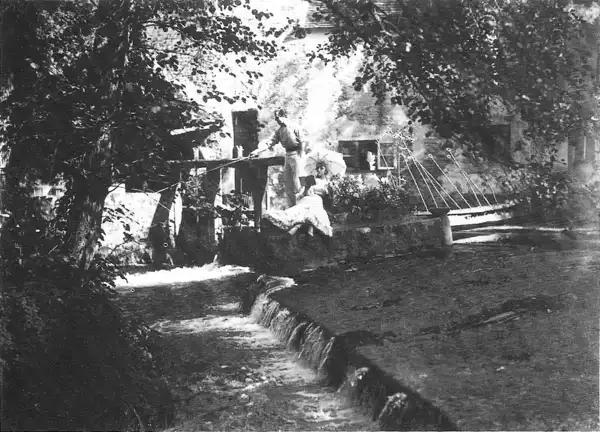
The movie is slow. Like, really slow. Sometimes it feels like the characters are taking ten minutes just to cross a room. I found myself checking my phone, which I hate doing, but the rhythm here is so deliberate it starts to feel like a trance. Is it intentional? Probably. Does it work? Only if you are in the mood to be lulled into a weird, melancholy sleep.
Compared to the sheer kinetic energy of something like Monkey Business, this is a different planet. It is not trying to make you laugh or jump. It is trying to make you feel the claustrophobia of a doomed relationship. And, honestly, it succeeds, even if it feels a bit like being trapped in a room with someone who is nursing a very long, very sad grudge.
It is not a perfect film. It is barely a balanced one. But there is a grit to the sadness here that feels surprisingly real, even through all the 1934-era stiffness. It is messy. It is loud in its own quiet way. If you like films that feel like they are hiding secrets, give it a look. Just don't expect a happy ending. Or a fast one.
IMDb 5.8
1935
Community
Log in to comment.