DbcultAccessing Vault...
Cult Review
Senior Film Conservator
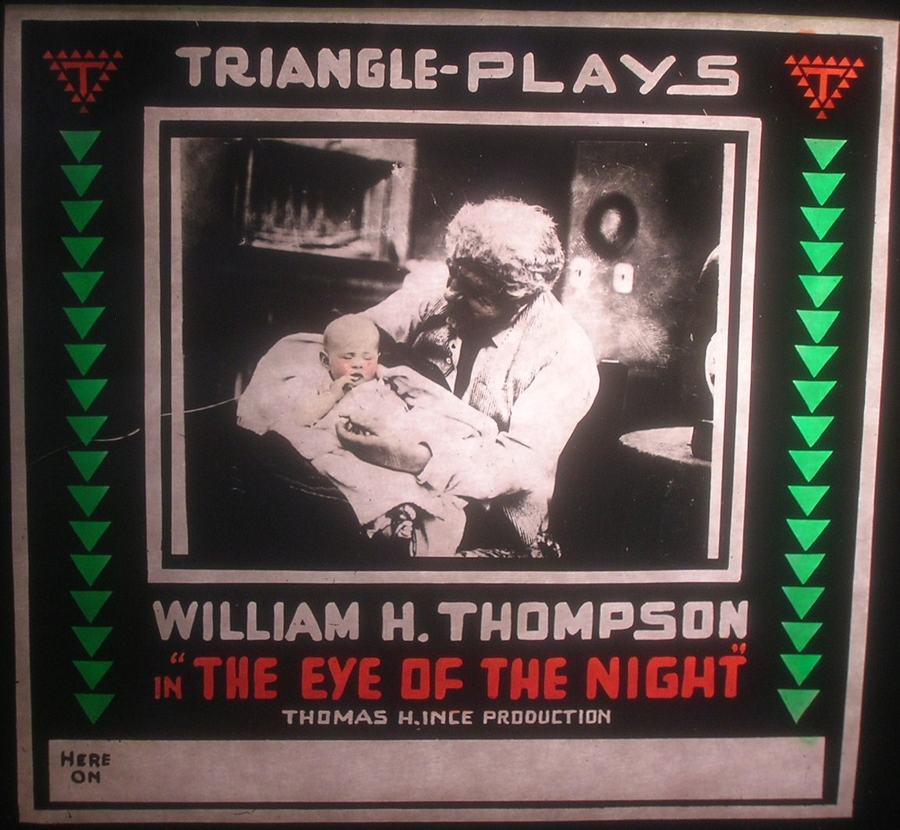
In the annals of early cinema, where narratives often hinged upon grand gestures and stark moral dichotomies, 'Eye of the Night' emerges as a particularly poignant exemplar of human endurance and quiet heroism. This cinematic artifact, featuring the compelling presence of Margery Wilson and an early appearance by the charismatic John Gilbert, delves into the harrowing personal cost of war and societal condemnation, all set against the dramatic backdrop of a windswept fishing village and the unforgiving sea. It’s a film that, even in its silent grandeur, speaks volumes about the indomitable spirit of its characters and the complex tapestry of family secrets and selfless love. Far from a mere melodrama, this is a profound exploration of resilience, a testament to the idea that true strength often manifests not in overt defiance, but in steadfast compassion and unyielding integrity.
The narrative pivots around Jane, a character etched with both vulnerability and an inner steel, portrayed with a compelling earnestness by Margery Wilson. Her life, initially one of unassuming toil as a 'slavey,' is illuminated by two steadfast anchors: the seasoned lighthouse keeper, David Holden, and the youthful, ardent fisher lad, Rob Benson. This idyllic, if humble, existence is abruptly shattered by the outbreak of war, a global cataclysm that mirrors the personal turmoil brewing within Jane. Her whispered confession to Rob, a secret heavy with the promise of new life, becomes a cruel counterpoint to his patriotic fervor. The swiftness of his departure, fueled by the naive belief in a brief conflict, sets in motion a chain of events that will test Jane's fortitude to its absolute limits. This initial setup is crucial, establishing the innocence that will be brutally stripped away, leaving behind a woman forged in the fires of adversity. It is a stark reminder of how quickly the personal can be subsumed by the geopolitical, and how individual lives are irrevocably altered by forces far beyond their control.
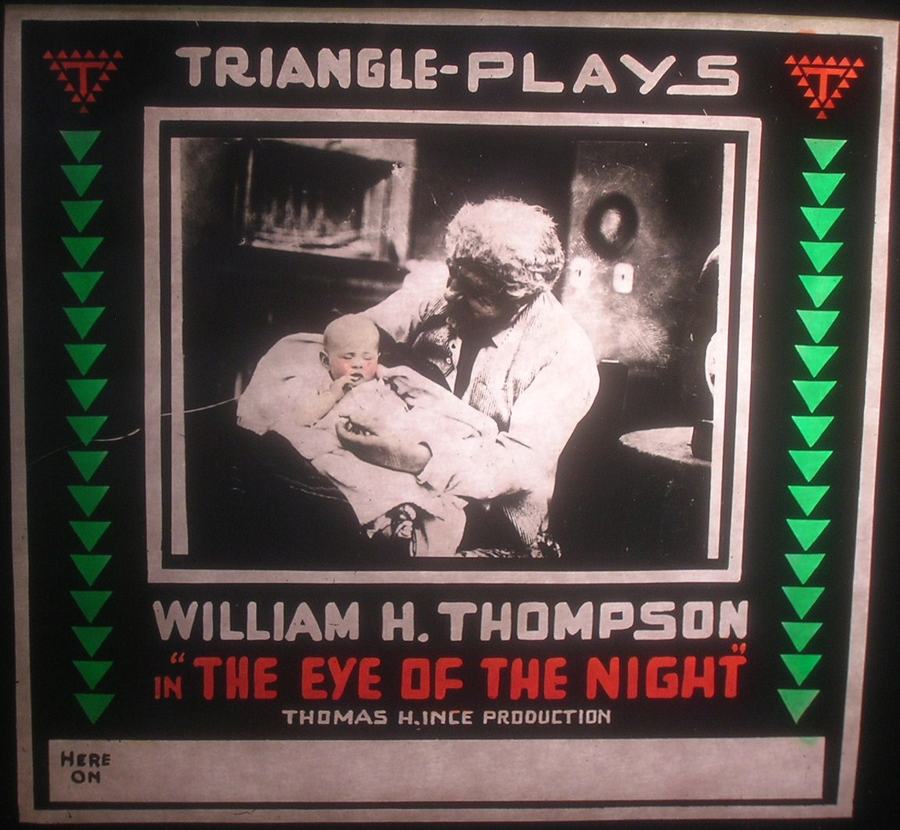
The film then plunges Jane into the isolating anonymity of London, where her 'nameless little waif' is born – a stark symbol of her plight and the societal judgment she faces. The very act of childbirth, often depicted as a moment of joy, here becomes a crucible of despair. It is a testament to the film's nuanced understanding of human nature that Jane, in her utter desolation, turns not to fleeting acquaintances, but to the unwavering moral compass of David Holden. J.P. Lockney, in his portrayal of David, imbues the character with a quiet dignity and an almost saintly resolve. His decision to embrace both mother and child, to shoulder the burden of a fabricated paternity, is not merely an act of kindness but a profound challenge to the rigid social strictures of the era. This act of altruism, however, comes at a steep price. The 'narrow-minded townspeople,' a collective antagonist rendered with chilling efficacy, react with predictable, self-righteous fury. Their demand for Jane's banishment, followed by David's dismissal from his sacred duty as lighthouse keeper when he refuses to comply, paints a vivid picture of communal hypocrisy and the devastating power of gossip and prejudice. It echoes themes seen in films like The Broken Promise, where societal condemnation often outweighs individual compassion, forcing characters into impossible moral corners.
The subsequent relocation of David, Jane, and the baby to his humble cottage marks a significant shift in the narrative. It is a period of enforced introspection, a forging of a new, unconventional family unit outside the judgmental gaze of the village. It is here, amidst this enforced intimacy, that the film unveils its most profound familial secret. Jane discovers that her mother was, in fact, David Holden's estranged wife, making her the daughter of her protector. This revelation, a dramatic twist that resonates with the emotional depth of Greek tragedy, recontextualizes their entire relationship. David, however, haunted by the abandonment of his wife years prior, remains emotionally guarded, dismissing any mention of her with a brusque word and gesture. This poignant inability to connect, to acknowledge the shared pain and the unexpected familial bond, creates a powerful sense of dramatic irony and unfulfilled longing. Jane, burdened with this profound secret, chooses to cherish it, waiting for a moment that might never arrive, a quiet act of love and deference that speaks volumes about her character. The complex web of familial ties and hidden identities often provides the emotional core for many silent dramas, much like the intricate relationships explored in The Other's Sins, where past transgressions and unspoken truths profoundly shape the present.
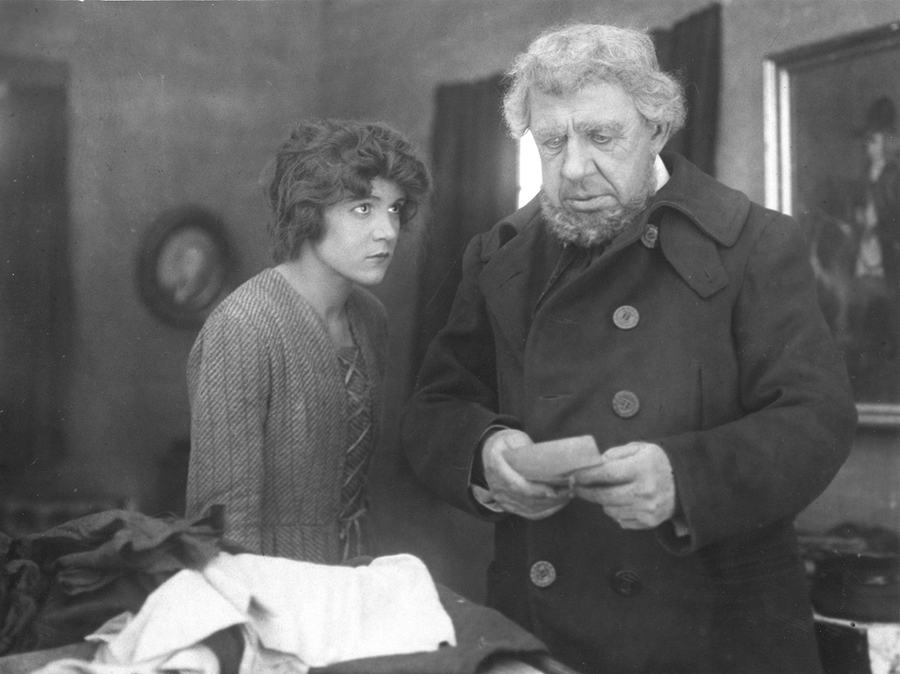
As the personal drama unfolds, the specter of war looms larger, its destructive force no longer confined to distant battlefields. The aerial bombardment of their quiet hamlet, the shattering of the lighthouse – 'The Eye of the Night' itself – serves as a powerful metaphor for the fragility of peace and the indiscriminate nature of conflict. This destruction, however, becomes the catalyst for David Holden's ultimate act of heroism. Learning of an incoming army transport bearing wounded soldiers, and seeing the guiding light of the lighthouse extinguished, David makes a momentous decision. His deliberate act of setting fire to his own cottage, transforming his home into a sacrificial beacon, is perhaps the most visually arresting and emotionally resonant moment of the entire film. It is an act of pure, unadulterated selflessness, a profound statement that human life and duty transcend personal property and comfort. The flickering flames, rendered in the stark black and white of silent film, would have been a powerful visual spectacle, a testament to the human spirit's capacity for extraordinary sacrifice. This act resonates with the thematic underpinnings of enduring love and sacrifice found in films such as Silver Threads Among the Gold, where characters frequently make profound personal sacrifices for the greater good or for loved ones.
The successful guidance of the transport ship, thanks to David's fiery beacon, brings with it the promise of resolution. And indeed, from the ranks of the wounded emerges Rob Benson, miraculously returned from the crucible of war. His reunion with Jane is immediate, a moment of profound relief and joy that contrasts sharply with the preceding years of anguish. The hasty marriage ceremony that follows is not merely a formality; it is a symbolic affirmation of life, love, and hope triumphing over the ravages of war and societal judgment. It is the clearing of Jane's name, the restoration of her honor, and the promise of a legitimate future for her child. This narrative arc of separation, suffering, and eventual reunion is a recurring motif in the cinema of the era, offering audiences a cathartic release and a belief in enduring love, much like the thematic journey in Angel of His Dreams where hope often emerges from despair.
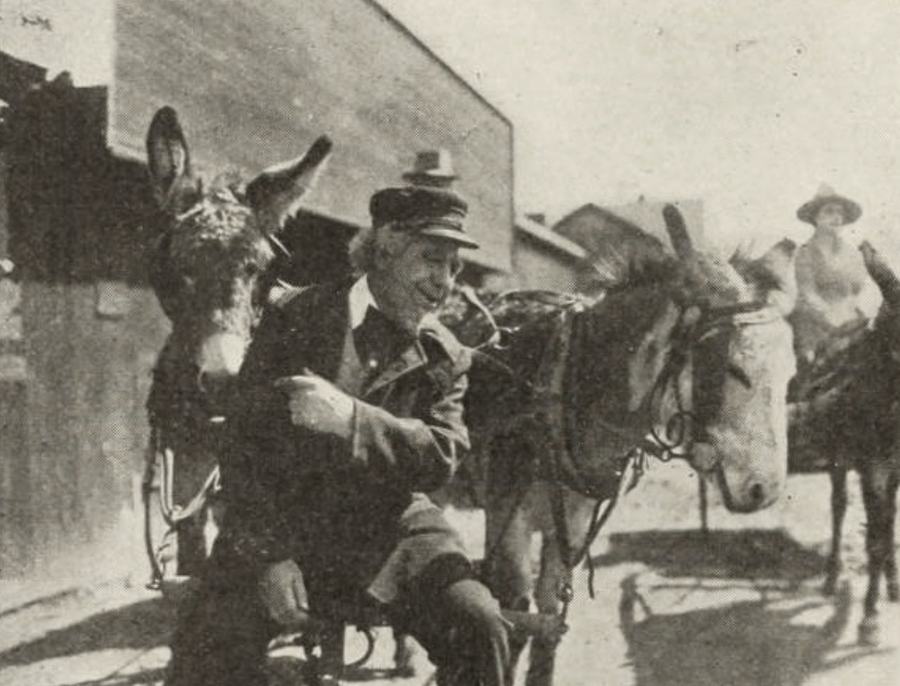
The film's denouement, however, reserves its most tender and significant revelation for the very end. With her personal life now settled, Jane finally feels empowered to share her deepest secret with David. The confession that she is his daughter, a truth held close for so long, acts as a final, powerful chord in this symphony of human experience. It is a moment of profound emotional resonance, the culmination of David's silent suffering and Jane's quiet strength. The narrative, penned by C. Gardner Sullivan, showcases a masterful understanding of character development and the slow, deliberate unveiling of truths. Sullivan's ability to weave together personal melodrama with broader societal issues, like the impact of war and the rigidity of small-town morality, is evident throughout. The cast, including William H. Thompson, Thornton Edwards, and Aggie Herring in supporting roles, undoubtedly contributed to the rich tapestry of this village community, providing the necessary contrast to the central drama. Even without spoken dialogue, the power of their expressions, gestures, and the carefully crafted intertitles would have conveyed the depth of these intertwined fates.
What 'Eye of the Night' ultimately achieves is a powerful exploration of the human condition under duress. It is a story that champions compassion over condemnation, self-sacrifice over self-preservation, and the enduring power of family, both biological and chosen, against a world intent on tearing it apart. The film's title itself, 'The Eye of the Night,' takes on a multi-layered significance. Initially, it refers to the literal lighthouse, David's domain. But by the film's conclusion, it metaphorically refers to David himself – his watchful, guiding presence, his moral clarity in the darkest hours, and his ultimate act of illumination through sacrifice. The destruction of the physical lighthouse, only for its function to be replaced by David's burning home, symbolizes a transition from institutional guidance to individual heroism, a profound statement on where true moral authority resides.
The thematic richness of 'Eye of the Night' places it firmly within a tradition of silent era dramas that grappled with weighty social issues and intimate personal struggles. Films like The Victory of Conscience similarly explored the triumph of individual morality against societal pressures, while Lydia Gilmore showcased a strong female protagonist navigating complex legal and personal challenges. The sheer resilience of Jane, her journey from a seemingly powerless 'slavey' to a woman who ultimately reclaims her honor and uncovers her true parentage, makes her a compelling figure. Her strength is not in overt rebellion, but in quiet endurance and unwavering love, making her a relatable and admirable character for audiences then and now. The film's ability to weave together themes of war, illegitimate birth, societal ostracism, and profound familial secrets into a coherent and emotionally satisfying narrative is a testament to the storytelling prowess of its creators. The silent medium, far from being a limitation, often enhanced the emotional impact, forcing audiences to interpret nuanced gestures and expressions, thereby engaging them more deeply in the characters' plights.
In conclusion, 'Eye of the Night' stands as a powerful testament to the enduring appeal of human drama. It is a story that, despite its period setting, resonates with timeless themes of love, sacrifice, and the search for belonging. The courage of David Holden, the resilience of Jane, and the ultimate triumph of truth and compassion over prejudice and despair, all coalesce to create a deeply moving cinematic experience. It reminds us that even in the darkest hours, a beacon of hope can be found, often in the most unexpected places and through the most profound acts of selflessness. It is a film that deserves to be rediscovered, appreciated not just as a historical artifact, but as a vibrant piece of storytelling that continues to illuminate the complexities of the human heart. The emotional journey it takes its audience on, from the depths of despair to the heights of revelation and reunion, is a testament to the enduring power of classic cinema to capture and reflect the universal human experience. It’s a film that, like the lighthouse itself, guides us through turbulent waters, ultimately leading us to a place of understanding and catharsis, leaving a lasting impression of the profound sacrifices made in the name of love and duty. The film's ability to convey such intricate emotional landscapes without dialogue is a true artistic achievement, one that continues to captivate and move viewers, proving that some stories, like the light from a distant beacon, transcend the boundaries of time and medium.
IMDb —
1917
Community
Log in to comment.