DbcultAccessing Vault...
Cult Review
Senior Film Conservator
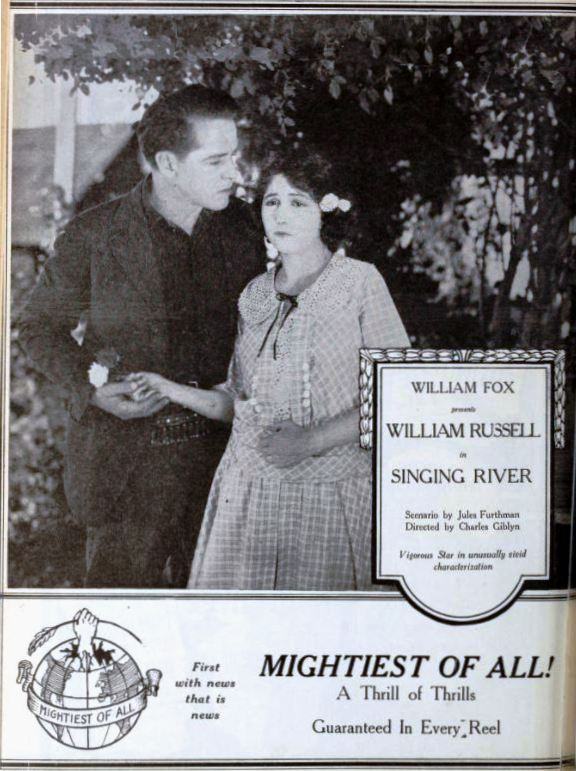
The celluloid flicker of 1921's Singing River captures a primal struggle against both nature and the predatory mechanisms of early American finance. Lang Rush, portrayed with a stoic intensity by William Russell, is introduced not as a hero, but as a victim of meteorological indifference. The drought depicted here isn't merely a plot device; it is an atmospheric weight that permeates every frame. Unlike the more whimsical rural depictions found in The Lonesome Pup, this film treats the failure of the harvest as a spiritual crisis. The parched earth serves as a mirror to Rush’s own internal erosion as he faces the cold, calculating machinery of the bank. This economic desperation provides a gritty foundation for the narrative, grounding the subsequent action in a reality that many 1920s audiences would have found uncomfortably familiar.
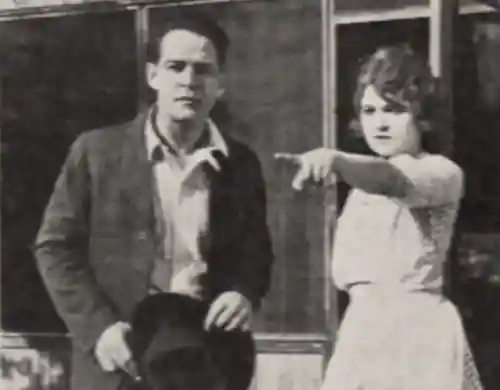
The script, co-penned by the legendary Jules Furthman, eschews the simplistic morality plays of the era's lesser shorts. Furthman, who would later go on to define the hard-boiled cinematic language of the 1940s, seeds this early Western with a nuanced understanding of desperation. When Sam Hemp suggests a bank robbery as restitution, the film enters a liminal space where the line between victim and criminal begins to blur. The ensuing gunfight in the local saloon is a masterpiece of silent choreography. It isn't the clean, sanitized violence of a typical matinee; it is messy, frantic, and results in a double fatality that forces Rush into the wilderness. This transition from the social structure of the town to the chaotic neutrality of the mountains marks the film's true thematic beginning.
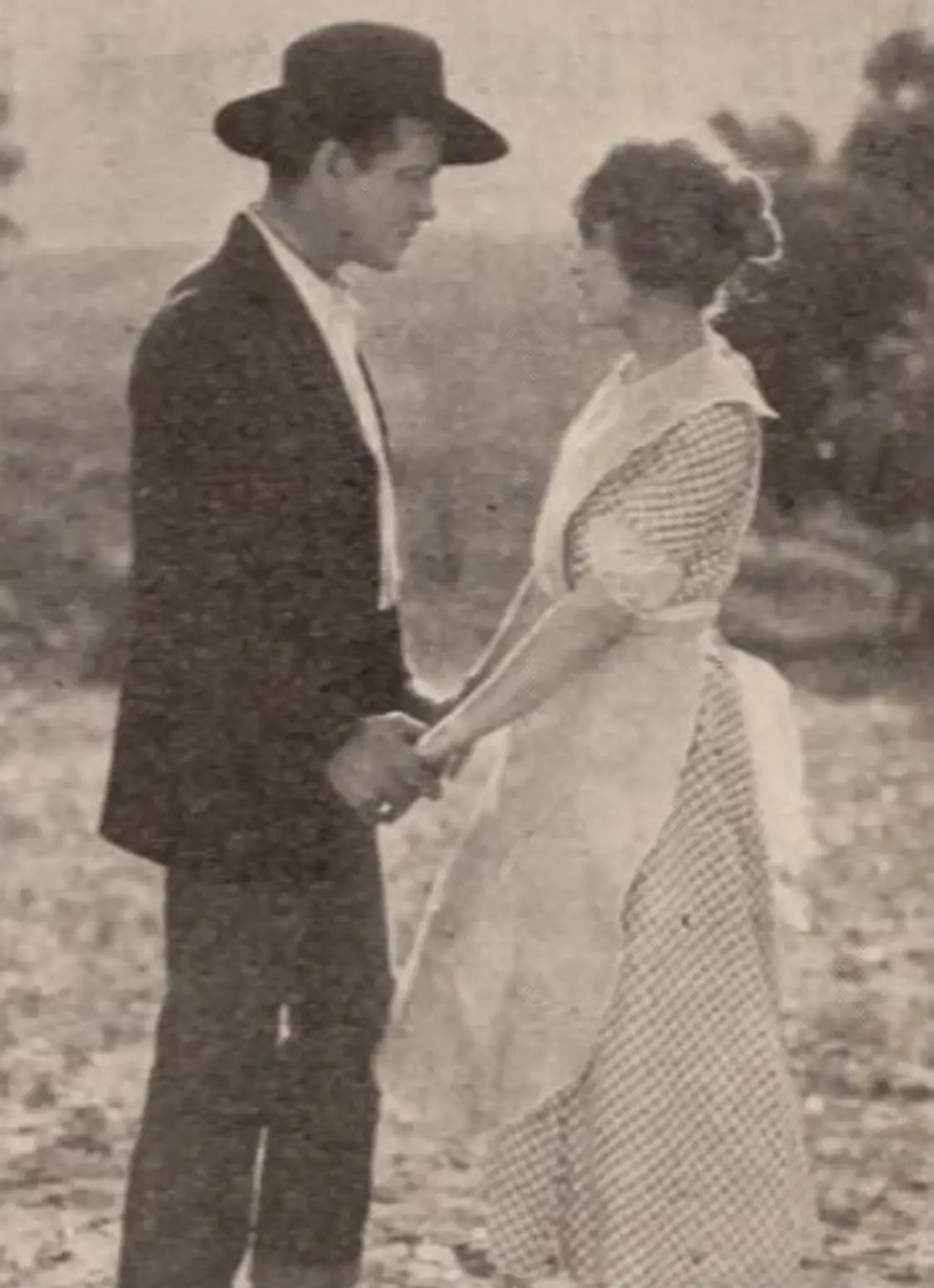
As Rush takes refuge in a deserted shack near the Singing River, the film shifts its visual language from the cramped, shadow-heavy interiors of the town to the expansive, yet isolating, vistas of the Sierras. The cinematography here is exceptional for 1921, utilizing the natural topography to emphasize Rush's insignificance. This mountain retreat functions as a purgatorial space where the protagonist must shed his identity as a failed farmer and reinvent himself as a prospector. The discovery of silver is not treated as a stroke of simple luck, but as a hard-won victory over a landscape that has previously offered him nothing but dust. The juxtaposition of the 'Singing River'—a source of life and potential wealth—against the silent, dead fields of his former life is a powerful visual metaphor.
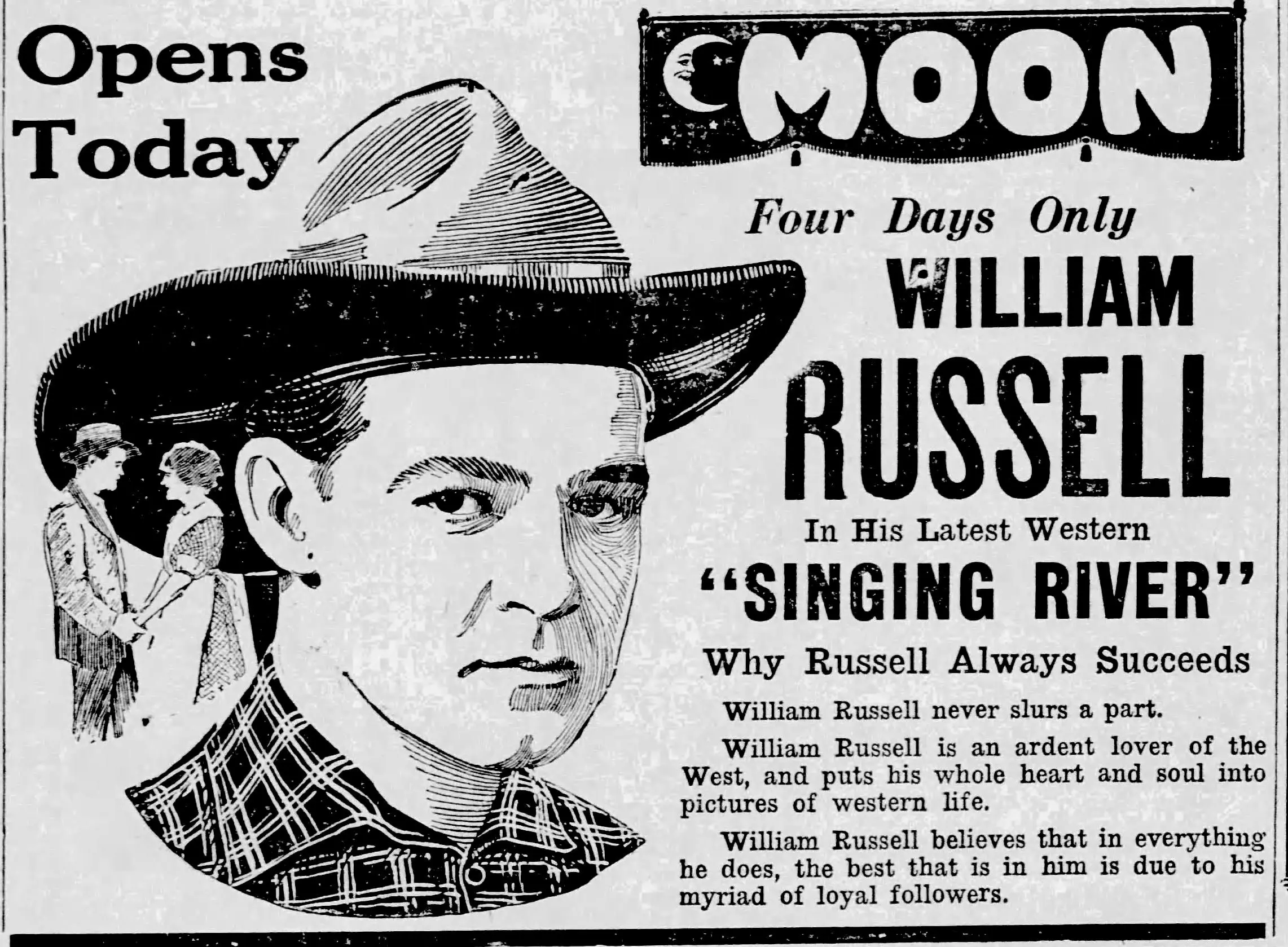
The introduction of Bert Condon, played with a mercurial charm by Jack McDonald, adds a layer of psychological complexity. Condon is initially presented as a predator, a man driven by the $5,000 bounty on Rush’s head. However, the film subverts this trope by allowing a genuine bond to form between the two men. This camaraderie is built on the shared experience of frontier survival, a theme that resonates far more deeply than the typical romantic subplots of the era. Their relationship mirrors the shifting alliances seen in The Peace of Roaring River, yet it carries a more rugged, less sentimental weight. The act of filing the silver claim becomes a communal effort, a rejection of the individualistic greed that defined the bank’s earlier treatment of Rush.
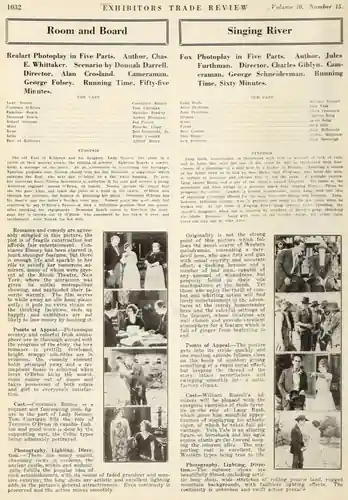
The final act of Singing River shifts gears into a high-stakes rescue mission. The kidnapping of Alice Thornton, the sheriff's daughter (portrayed with more agency than usual by Vola Vale), serves as the catalyst for Rush's return to civilization. This return is not a surrender, but a reclamation. The confrontation with L. W. Bransom’s gang allows William Russell to showcase his pugilistic prowess. The fistfight between Rush and Bransom is visceral and unyielding, a physical manifestation of the protagonist's struggle against the lawless elements that have haunted his journey. It is a far cry from the stylized elegance of Hamlet, Prince of Denmark; this is raw, American action cinema in its infancy.
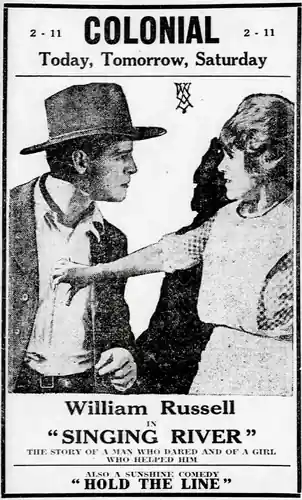
What distinguishes this film from contemporaries like The Last Straw is the moral clarity it eventually achieves. Rush doesn't just win Alice; he wins his name back. The clearing of the murder charge is handled with a swiftness that suggests the film is more interested in the personal vindication of its hero than the bureaucratic processes of the law. The sheriff’s acceptance of Rush as a son-in-law signifies the ultimate integration of the mountain-dwelling fugitive back into the social order. The 'Singing River' of the title, once a witness to his isolation, becomes the backdrop for his new prosperity, its voice finally harmonizing with his own success.
From a technical standpoint, the collaboration between Robert J. Horton and Jules Furthman creates a narrative structure that feels surprisingly modern. The pacing is deliberate, allowing the environmental pressures of the first act to breathe before plunging the audience into the mountain-bound second act. The use of lighting in the mountain shack sequences creates a sense of claustrophobia that contrasts sharply with the wide-angle shots of the river, a technique that predates the expressionistic shadows of The Golem while remaining firmly rooted in the Western tradition. The film’s refusal to lean into the slapstick elements found in Flips and Flops ensures that the stakes remain high and the emotional resonance stays intact.
The performances are universally strong, particularly William Russell, who avoids the over-the-top gesticulation that plagued many silent actors of the period. His performance is one of subtle shifts—from the slumped shoulders of a defeated farmer to the upright posture of a man who has literally struck silver. This physical transformation is the heart of the film. While Bab's Matinee Idol might offer more superficial charisma, Russell offers a grounded realism that makes the character’s redemption feel earned. The supporting cast, including Jack Roseleigh and Charles King, provide a solid antagonistic foil, representing the various shades of frontier opportunism that Rush must overcome.
In the broader context of 1921 cinema, Singing River stands as a testament to the evolving sophistication of the Western genre. It moves beyond the simple 'good vs. evil' tropes to explore the socio-economic factors that drive men to the brink of criminality. It shares a certain DNA with The Port of Missing Men in its exploration of identity and exile, yet it remains uniquely American in its obsession with land, wealth, and the possibility of a fresh start. The film doesn't shy away from the harshness of the frontier, nor does it offer a saccharine view of the justice system. Instead, it suggests that true peace is found in the balance between one's own labor and the unpredictable bounty of the earth.
Ultimately, the film's legacy is defined by its atmospheric density. The 'Singing River' is not just a location; it is a symbol of the constant, underlying rhythm of nature that persists regardless of human tragedy or triumph. Whether compared to the high-stakes drama of High Play or the gritty realism of Auction of Souls, Singing River carves out its own niche as a thoughtful, visually arresting exploration of a man's journey from the dust of despair to the silver-lined peaks of redemption. It is a vital piece of silent cinema history that deserves recognition for its nuanced writing, strong central performance, and its evocative depiction of the American West as a place of both profound loss and infinite possibility.
IMDb 6.3
1919
Community
Log in to comment.