DbcultAccessing Vault...
5.3/10
Senior Film Conservator
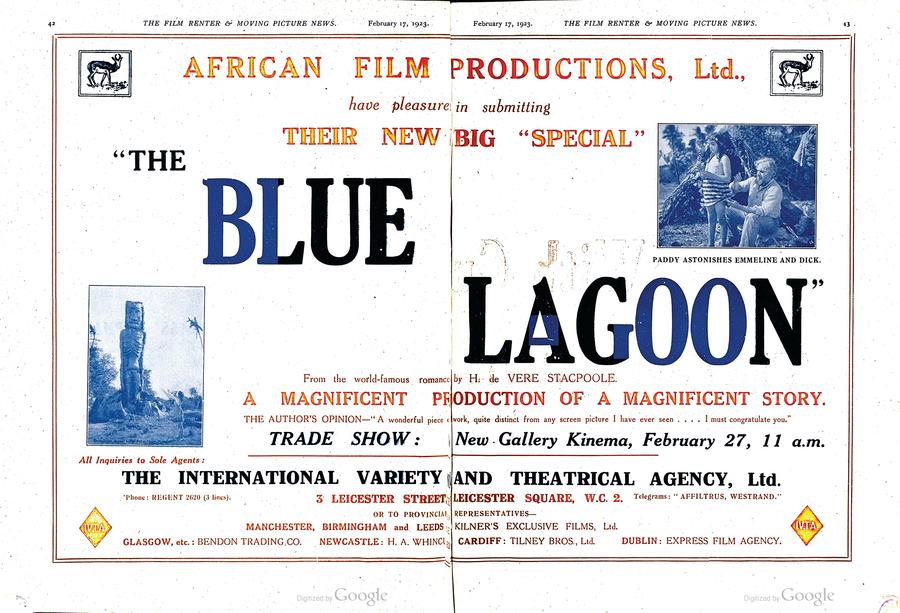
A definitive 5.3/10 rating for a film that redefined the boundaries of cult cinema. The Blue Lagoon remains a cornerstone of transgressive art.
When the silent reels of The Blue Lagoon flicker to life, the viewer is thrust into a tableau of unspoiled wilderness that feels both mythic and palpably real. The cinematography, rendered in stark monochrome, captures the interplay of light and shadow on water with a painterly precision that recalls the works of J.M.W. Turner. Each frame is suffused with a luminous quality, as though the camera itself is a wandering eye, cataloguing the island’s flora and fauna with reverent curiosity.
The film’s narrative scaffolding rests upon a simple premise—a maritime disaster that deposits two children on a deserted shore—but the execution is anything but elementary. The script, adapted from Henry De Vere Stacpoole’s novel, eschews melodramatic exposition in favor of visual storytelling. The opening sequence, a chaotic montage of splintered timber and crashing waves, establishes an immediate sense of peril without a single intertitle. This economy of dialogue forces the audience to read the characters’ emotions through gesture, a technique that feels both daring and deeply human.
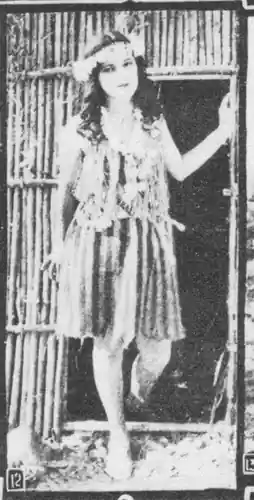
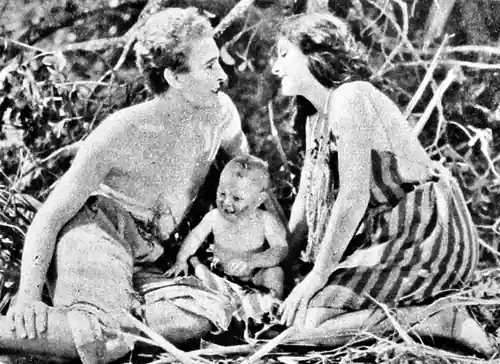
Molly (portrayed by Molly Adair) begins as a fragile, bewildered figure, her eyes wide with the terror of the unknown. As the weeks bleed into months, her posture shifts; the once‑tentative steps become purposeful strides across the lagoon’s rim. Adair’s performance is a study in subtlety—her smile, barely a curl of the lips, signals a burgeoning confidence, while the occasional furrowed brow hints at the internal conflict wrought by burgeoning desire. The transformation is mirrored in the mise‑en‑scene: the crude shelters she helped construct evolve into a modest yet functional dwelling, symbolizing her growing agency.
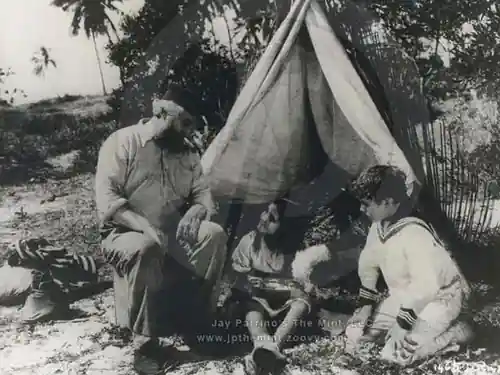
Arthur (Arthur Pusey) offers a counterpoint to Molly’s ascent. Initially portrayed as a stoic, almost animalistic survivor, his character arc is defined by a gradual softening. Pusey’s nuanced body language—tight fists that loosen over time, a gaze that shifts from wary to affectionate—conveys an internal metamorphosis that parallels the island’s own rhythms. Their partnership, forged in necessity, becomes a tender alliance, a quiet rebellion against the Victorian strictures that would have otherwise dictated their conduct.
At its core, The Blue Lagoon interrogates the fragile boundary between innocence and experience. The island functions as both sanctuary and crucible, a place where the protagonists can explore the rawness of their bodies without the prying eyes of society. This theme finds echoes in later works such as Destiny's Isle, which also juxtaposes isolation with the inevitable emergence of sexuality. The film’s treatment of this transition is neither sensationalist nor didactic; instead, it is rendered with a lyrical restraint that respects the characters’ emotional authenticity.
Although the film is black‑and‑white, the director employs a visual palette that suggests the warm glow of tropical sunlight and the cool hush of moonlit tides. The contrast between the bright, sun‑drenched beach scenes and the shadow‑laden interiors creates a chiaroscuro that underscores the duality of safety and danger. The recurring motif of water—whether the tranquil lagoon or the tumultuous sea—serves as a metaphor for the characters’ emotional currents. The sea’s rhythmic lapping mirrors the heartbeat of the island itself, a pulse that both comforts and threatens.
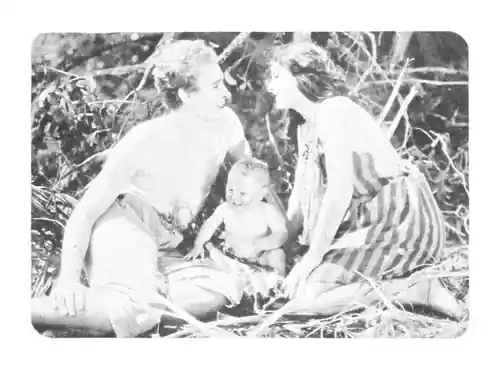
In an era when exaggerated gestures were the norm, both Adair and Pusey opt for restraint, allowing the camera to capture the smallest flicker of emotion. Their chemistry is palpable, not through grand declarations but through shared glances and the delicate choreography of daily tasks—collecting shells, lighting fires, or simply sitting side‑by‑side as the sun sinks below the horizon. Supporting actors such as Doreen Wonfor and Val Chard, though limited in screen time, contribute to the world‑building by embodying the island’s indigenous fauna—birds, crabs, and the occasional curious monkey—each serving as a silent commentator on the human drama.
When placed alongside contemporaneous works like Right Off the Bat or the more adventurous The Mysterious Mr. Wu Chung Foo, The Blue Lagoon distinguishes itself through its focus on internal, rather than external, conflict. While many silent epics of the 1920s leaned heavily on spectacle—grand battles, elaborate set pieces—Stacpoole’s narrative thrives on intimacy. The film’s deliberate pacing, its lingering shots of tide pools and swaying palms, invites the viewer to breathe with the characters, to feel the weight of each passing day as if it were one's own.
Although the original release was silent, modern restorations often pair the film with a live piano score that weaves gentle arpeggios with occasional crescendos, echoing the ebb and flow of the lagoon itself. The music’s timbre—soft, almost ethereal—mirrors the film’s visual tenderness, reinforcing the sense of an isolated world where time moves at its own measured pace.
Over the decades, The Blue Lagoon has been revisited by scholars interested in its portrayal of gender dynamics and colonial undertones. The island, while ostensibly a neutral backdrop, can be read as a micro‑cosm of imperialist fantasy—a pristine, unclaimed space awaiting European taming. Yet the film subverts this narrative by allowing its protagonists to adapt rather than dominate, suggesting a more symbiotic relationship with nature. This nuanced reading aligns with modern eco‑critical perspectives, positioning the film as an early, albeit inadvertent, commentary on environmental stewardship.
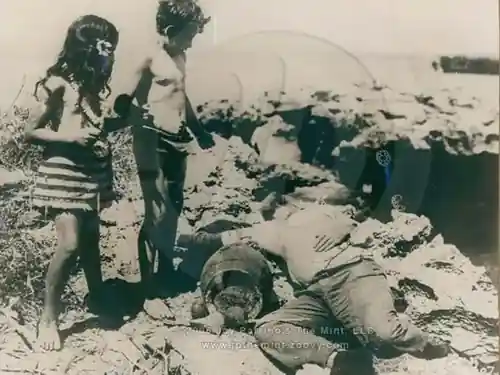
The editing rhythm is deliberately unhurried, with long takes that linger on the protagonists’ interactions with their surroundings. Cross‑cutting is sparingly used, reserved for moments of heightened tension—such as the storm that threatens to wash away their fragile shelter. Set design relies heavily on location shooting, capturing authentic South Pacific vistas that lend the film an air of verisimilitude rarely achieved by studio backlots of the era. Practical effects—most notably the simulated storm—employ cleverly rigged wind machines and water pumps, creating a believable tempest that feels both immediate and terrifying.
The narrative DNA of The Blue Lagoon can be traced through a lineage of later cinematic works, most notably the 1980s remake starring Brooke Shields and Christopher Atkins. While the latter version indulges in more overt sensuality, the original’s restraint offers a compelling counterpoint, reminding contemporary audiences of the power inherent in suggestion. Moreover, the film’s thematic preoccupation with isolated love has resonated in modern television series that explore similar premises, underscoring its enduring relevance.
In the final analysis, The Blue Lagoon stands as a masterful fusion of narrative subtlety, visual lyricism, and performative nuance. Its deliberate pacing rewards patient viewers, offering a meditative experience that transcends the constraints of its silent‑film origins. By allowing nature to serve as both setting and character, the film invites reflection on humanity’s place within the larger ecological tapestry. For scholars, cinephiles, and casual viewers alike, this 1923 gem remains a compelling study of innocence, desire, and the inexorable tide of maturation.
IMDb 5.5
1935
Community
Log in to comment.