
DbcultAccessing Vault...
Cult Review
Senior Film Conservator
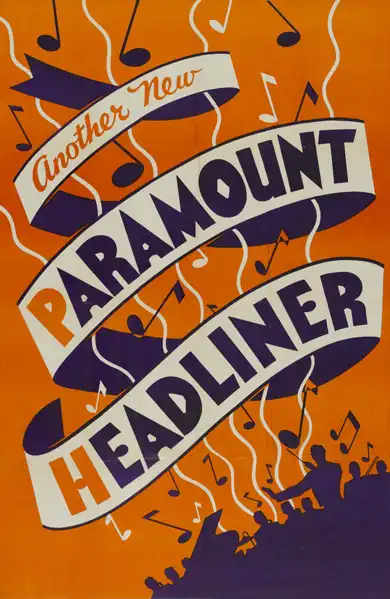
If you have nine minutes to spare and a weird obsession with early sound-era shorts, Sirens of Syncopation is a neat little time machine. Music nerds and lovers of dusty, forgotten jazz acts will dig it, but anyone looking for an actual story or character depth will probably want to throw their laptop out the window. 🎥
There is absolutely no plot here. It is literally just Phil Spitalny showing off his "Musical Ladies" orchestra, who play a few tunes and look pleasant for the camera.
The women wear these matching, slightly stiff dresses and play brass instruments that look way too heavy for them. There is this one violinist who smiles so hard I thought her face might actually crack.
It is genuinely terrifying but you cannot look away. 😃
The sound quality is... well, it was 1930. Everything sounds like it was recorded inside a tin can submerged in soapy bathwater.
Compared to grander, more polished musical films of the era like Here's to Romance, this is pure basement-budget vaudeville. The camera mostly just sits there, completely frozen.
It feels like director Fred Waller just set up a heavy tripod, pressed record, and went to grab a sandwich. At one point, a dancer comes out to do a quick tap routine.
Her feet are slightly out of sync with the audio track. It is like watching a dubbed foreign movie, but with tap shoes.
I kept staring at the tuba player in the back. She looks like she would rather be literally anywhere else in the world, maybe thinking about her laundry. 🧺
The writers, Milton Hockey and Fred Rath, probably wrote this entire concept on a napkin during a quick lunch. "Okay, first they play a song, then a girl sings, then they play another song."
Brilliant stuff, guys. Truly groundbreaking.
Still, the actual syncopation is pretty cool when you can hear it past the hiss of the old film reel. These women could actually play, and they had great rhythm.
Like other rough-around-the-edges early talkies, such as The Black King, there is an raw energy here that modern stuff lacks. You can see the sweat and the slight hesitation before a trumpet solo.
It is totally imperfect, and honestly, that is why it is worth a quick watch.

IMDb 5.2
1932