DbcultAccessing Vault...
5.6/10
Senior Film Conservator
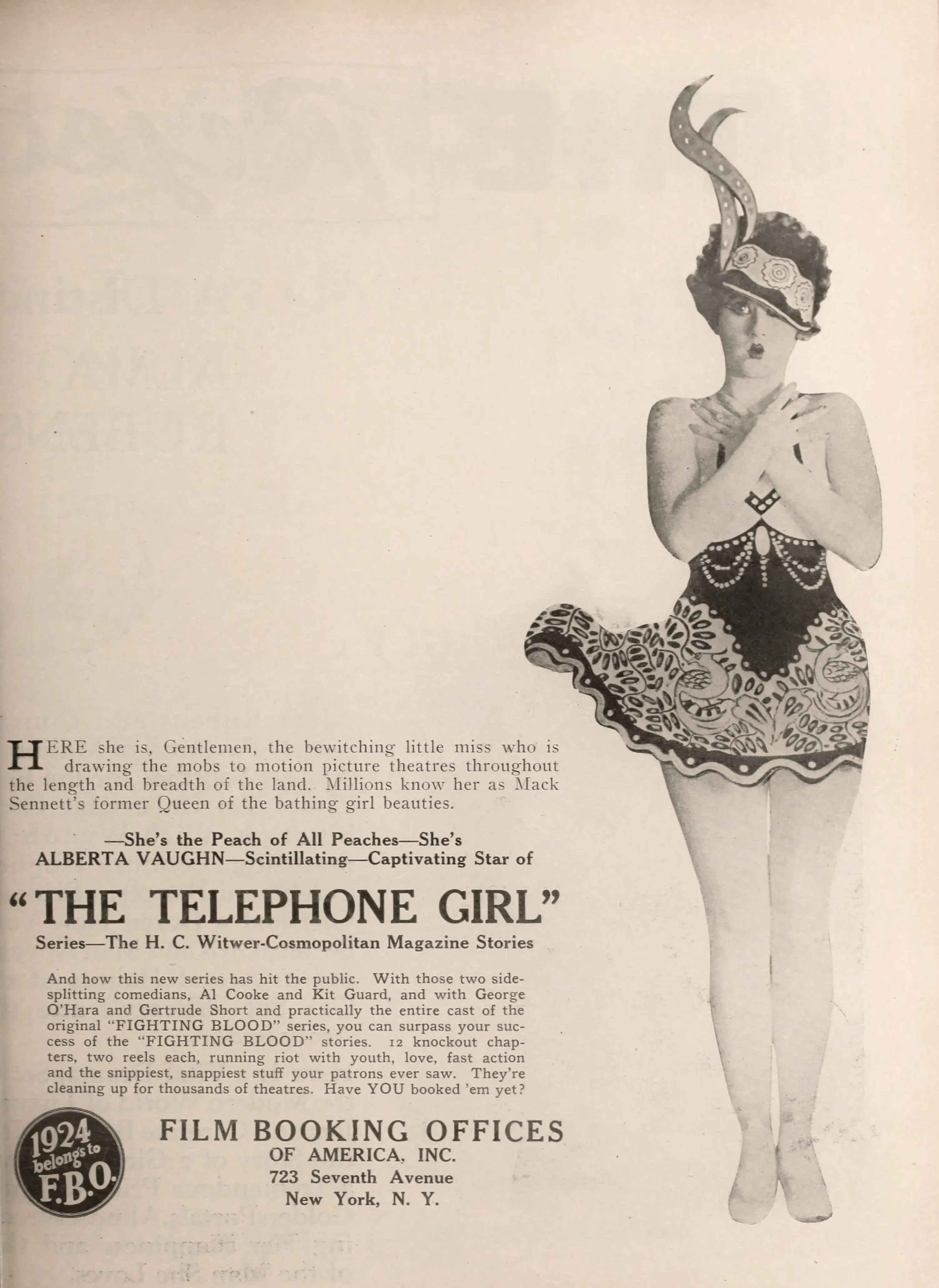
A definitive 5.6/10 rating for a film that redefined the boundaries of cult cinema. Sherlock's Home remains a cornerstone of transgressive art.
Stepping into the cinematic ring with 'Sherlock's Home' (1927) is to be transported to an era where raw emotion, often amplified by stark visual storytelling, reigned supreme. This silent-era gem, penned by a trio of notable talents—H.C. Witwer, George Marion Jr., and the burgeoning Darryl F. Zanuck—delivers a potent narrative steeped in passion, pride, and the destructive force of jealousy. It’s a compelling snapshot of human frailty, played out against the vibrant, post-war backdrop of New York City, a metropolis then, as now, a crucible of ambition and desire. The film doesn't merely tell a story; it plunges the viewer into a visceral experience, exploring the volatile psychology of a man whose professional triumph is swiftly eclipsed by a deeply personal perceived betrayal. It’s a narrative that, despite its vintage, resonates with a timeless intensity, reminding us that the human heart, in its darkest corners, remains largely unchanged.
At the core of 'Sherlock's Home' lies the compelling figure of the prizefighter, portrayed with a compelling blend of brawn and simmering vulnerability by Norman Selby. His character isn't just a physical force; he’s a man whose identity is inextricably linked to his prowess in the ring and his standing in his community. The grandiose gesture of inviting his entire hometown to witness his New York City fight speaks volumes about his need for validation, his desire to share his triumph with those who know him best. This isn’t merely a professional endeavor; it’s a ceremonial homecoming, a public declaration of his success. However, this carefully constructed edifice of pride begins to crumble the moment his gaze falls upon Gladys, the woman he cherishes, seated ringside with another man, Jimmy. The perceived slight, the public nature of the 'betrayal,' twists his victory into a bitter gall. It’s a masterful setup, demonstrating how quickly the intoxicating elixir of success can turn to poison when mixed with the venom of suspicion. Selby’s performance, relying on the exaggerated yet nuanced expressions characteristic of the silent era, must convey this seismic shift from jubilation to seething fury with remarkable clarity. This psychological unraveling, rather than the boxing match itself, becomes the true main event, a testament to the film's focus on internal conflict.
Gale Henry, in the role of Gladys, is the unwitting catalyst for this dramatic turn of events. Her presence, her beauty, and her seemingly innocent interaction with Jimmy are the sparks that ignite the prizefighter’s jealous inferno. In many silent films, female characters often served as the emotional fulcrum, and Gladys is no exception. Her actions, however benign, are filtered through the distorted lens of her lover’s possessiveness. The film likely explores her perspective, perhaps showing her bewilderment or distress as the atmosphere around her shifts from celebratory to menacing. Is Jimmy an old friend, a new acquaintance, or merely someone offering polite company? The ambiguity, from the prizefighter's perspective, is irrelevant; the mere sight is enough to trigger his primal reaction. This dynamic is reminiscent of other silent-era dramas where female agency, or lack thereof, often drove the central conflict. Films like The Average Woman or The Desired Woman often explored similar themes of women navigating complex social expectations and romantic entanglements, though perhaps with different resolutions. Gladys's predicament in 'Sherlock's Home' highlights the precarious position of women in a society where their associations could easily be misconstrued, leading to unforeseen and dramatic consequences.
The narrative's pivot from the public spectacle of the boxing ring to the private, tense confines of the hotel room is a stroke of genius. It symbolizes the shift from a regulated, rule-bound contest to a chaotic, emotionally charged confrontation where no bells signal the end of a round and no referee intervenes. The prizefighter, still reeling from his professional victory, now channels his raw aggression and wounded pride into a singular, intensely personal objective: to teach Jimmy a lesson. This isn't about points or championships; it's about perceived honor and reclaiming what he believes is his. The journey to the hotel, the silent pacing, the gathering storm in his eyes—these would have been moments of excruciating tension for silent film audiences, conveyed through masterful acting and evocative cinematography. The hotel itself, typically a place of temporary respite, transforms into a battleground, a psychological arena for a fight far more dangerous than any Selby's character faced in the ring. The contrast between the public jubilation and the private fury would have created a stark, unforgettable dramatic impact, showcasing the darker undercurrents that often lay beneath the glittering surface of the Jazz Age.
It's particularly fascinating to note the writing credit for Darryl F. Zanuck, even in this relatively early stage of his prodigious career. Before becoming one of Hollywood's most influential moguls, Zanuck honed his storytelling prowess, and 'Sherlock's Home' offers a glimpse into his nascent understanding of dramatic structure and character motivation. His collaboration with H.C. Witwer and George Marion Jr. likely forged a script that, despite being for a silent film, possessed a robust narrative backbone, ensuring that the emotional beats landed with precision. The direction, too, would have been paramount in translating this script into a compelling visual experience. Silent film directors had to be masters of visual metaphor, body language, and pacing to convey complex emotions without dialogue. They relied heavily on close-ups to capture the nuances of an actor's face, on dynamic editing to build tension, and on evocative set design to establish mood. The silent era’s reliance on these visual cues often resulted in a heightened sense of theatricality, yet also a profound ability to communicate universal human experiences. One can imagine the directorial choices in staging the fight, the ringside misunderstanding, and the final hotel confrontation—each scene demanding a distinct visual approach to maximize its emotional impact on the audience. This film stands as a testament to the collaborative artistry that defined early cinema.
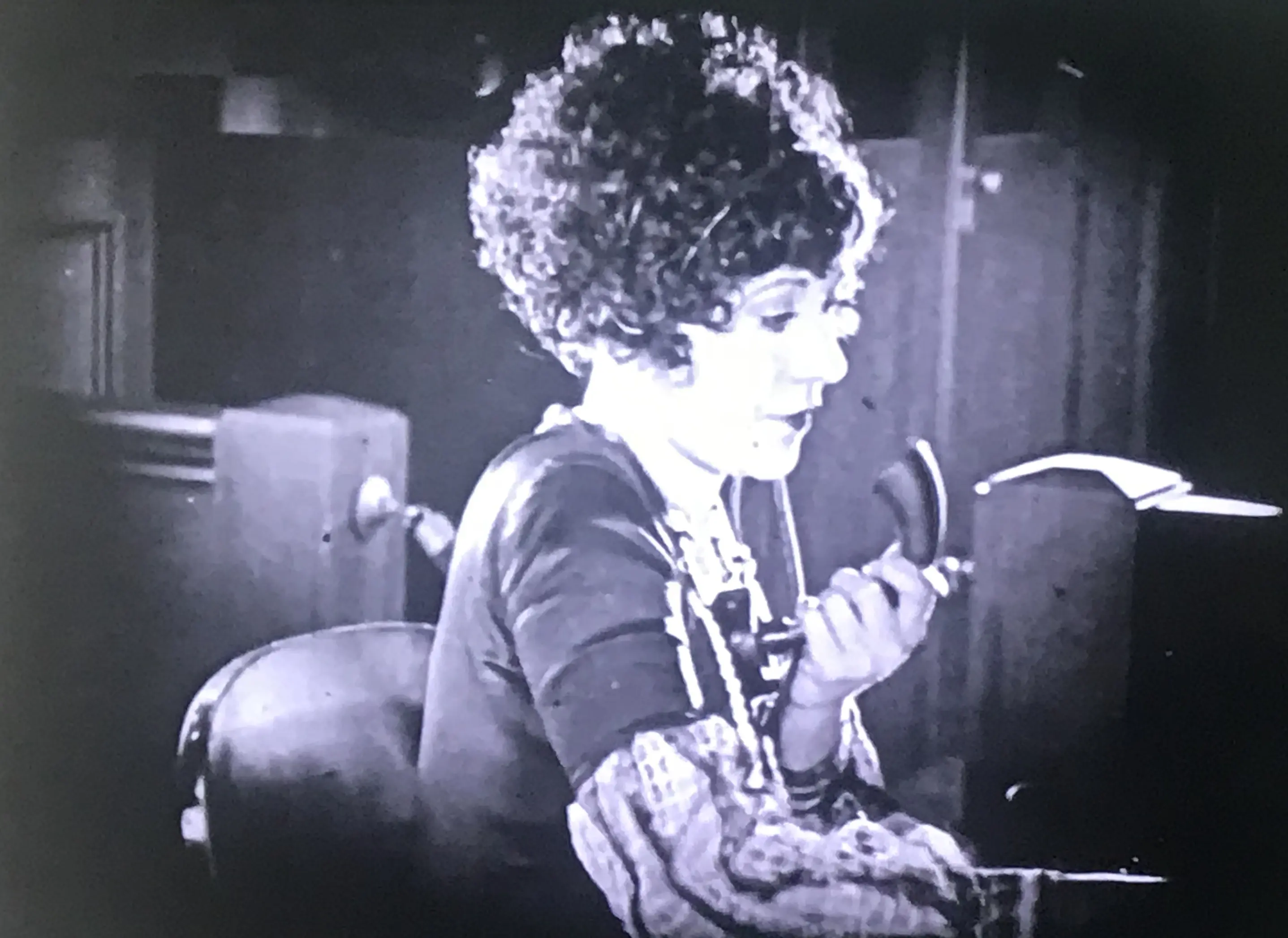
The cast of 'Sherlock's Home' was tasked with an immense challenge: to communicate a complex emotional landscape solely through gesture, expression, and physical presence. Norman Selby, a real-life boxer, brings an undeniable authenticity to his role as the prizefighter. His physicality would have been naturally convincing in the ring scenes, but his ability to convey the intricate shift from triumphant hero to enraged lover would have been the true measure of his performance. The silent screen demanded an almost balletic precision in movement and an opera-like intensity in facial expressions to convey internal turmoil. Gale Henry, often known for her comedic roles, here likely demonstrates a different facet of her talent, portraying Gladys with a blend of vulnerability and perhaps a quiet strength as she navigates the prizefighter's possessive fury. The supporting cast, including Kit Guard, Al Cooke, William Courtright, Dave Morris, Edward Hearn, Gertrude Short, Alberta Vaughn, and Bynunsky Hyman, would have been crucial in fleshing out the world of the film, from the boisterous ringside spectators to the concerned hotel staff. Their collective ability to react, to support the main emotional thrust, and to provide context without uttering a single word is a hallmark of great silent acting. The silent film era, in its unique demands, often produced performances of astonishing power and clarity, and 'Sherlock's Home' would have relied heavily on these unspoken narratives to captivate its audience.
At its heart, 'Sherlock's Home' delves into themes that are as old as storytelling itself. The jealousy displayed by the prizefighter is not merely a fleeting emotion; it's a consuming fire, rooted in a masculine sense of ownership and a fear of public humiliation. In an era where honor, particularly for men, was often tied to reputation and control, the sight of Gladys with another man would have been a profound affront, a challenge to his perceived dominance. This film, therefore, becomes a fascinating study of toxic masculinity, of how unchecked passion can lead to irrational and violent impulses. It forces us to consider the societal pressures that may have contributed to such a volatile reaction. Was it simply personal insecurity, or was there an expectation, inherent in the culture of the time, that a man must defend his 'property' and his 'honor' with brute force? This exploration of dark psychological territory distinguishes 'Sherlock's Home' from lighter fare of the period. While films like Cupid's Roundup might have explored the lighter side of romance, 'Sherlock's Home' plunges into its perilous depths, making it a more challenging, yet ultimately more rewarding, viewing experience for those interested in the complexities of human nature.
The aesthetic of silent cinema, far from being a limitation, was a unique art form perfectly suited for conveying intense psychological states. The absence of spoken dialogue mandated a heightened visual language, where every gesture, every facial contortion, every cinematic angle carried immense weight. In 'Sherlock's Home,' one can imagine the use of dramatic lighting to cast long, menacing shadows as the prizefighter's anger brews, or close-ups that linger on the subtle tremor of Gladys's lip, hinting at her fear. Intertitles, far from being mere plot points, would have been crafted with poetic flair, serving as internal monologues or pronouncements of fate, guiding the audience through the emotional labyrinth. The musical accompaniment, often live in theaters, would have swelled and receded, mirroring the prizefighter's tumultuous emotions, enhancing the tension of the ringside scene and the dread of the hotel confrontation. This holistic approach to storytelling—visuals, performance, music, and text—created an immersive experience that, while different from sound films, was no less powerful. It’s a testament to the ingenuity of early filmmakers who, with limited technology, managed to craft narratives of profound emotional resonance, often surpassing the superficiality of some later productions.
While 'Sherlock's Home' might not boast the household recognition of some of its silent-era contemporaries, its narrative potency and thematic depth ensure its enduring appeal for cinephiles and historians alike. It serves as a valuable artifact, illustrating the storytelling conventions and emotional preoccupations of the late 1920s. The film offers a fascinating insight into the collaborative process of its writers, particularly given Zanuck's future trajectory. For those interested in the evolution of genre, it’s a compelling early example of a psychological drama infused with elements of sports and romance, demonstrating how these threads could be woven together to create a taut, engaging spectacle. It invites audiences to appreciate the artistry of silent acting, where the absence of sound forces a deeper engagement with visual cues and character expressions. Unlike more lighthearted fare such as Daddy-Long-Legs, which offered charming romance, 'Sherlock's Home' delivers a starker, more confrontational exploration of human relationships. Its focus on raw, volatile emotion ensures that even nearly a century later, the film’s central conflict – the destructive power of jealousy – remains universally understood, a testament to its timeless narrative construction and the foundational principles of dramatic storytelling that continue to captivate audiences across generations. In an age of endless digital distraction, revisiting such a film offers a poignant reminder of cinema’s primal power to stir the soul.
In conclusion, 'Sherlock's Home' is more than just a relic of a bygone era; it's a vibrant, emotionally charged experience that speaks volumes about human nature. It's a film that demands close attention, rewarding the viewer with a profound understanding of the complexities of love, pride, and the insidious grip of jealousy. The performances, the direction, and the incisive writing combine to create a compelling drama that resonates long after the final fade-out. It stands as a powerful example of silent cinema's ability to transcend its technological limitations and deliver a narrative of enduring psychological depth, proving that a story well told needs no spoken words to be heard loud and clear.
IMDb —
1924
Community
Log in to comment.