DbcultAccessing Vault...
Cult Review
Senior Film Conservator
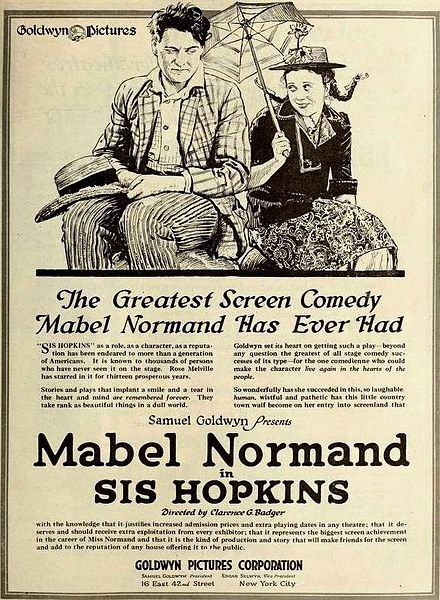
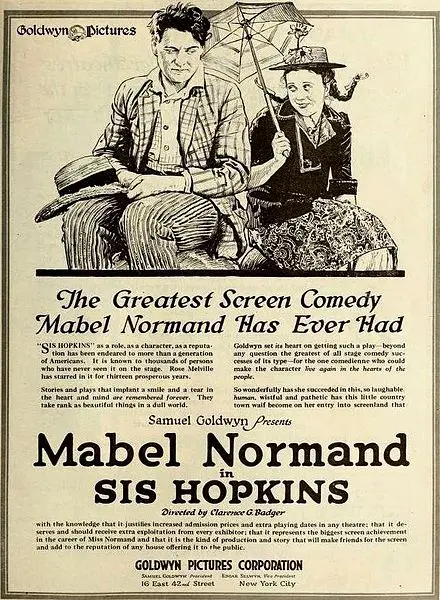
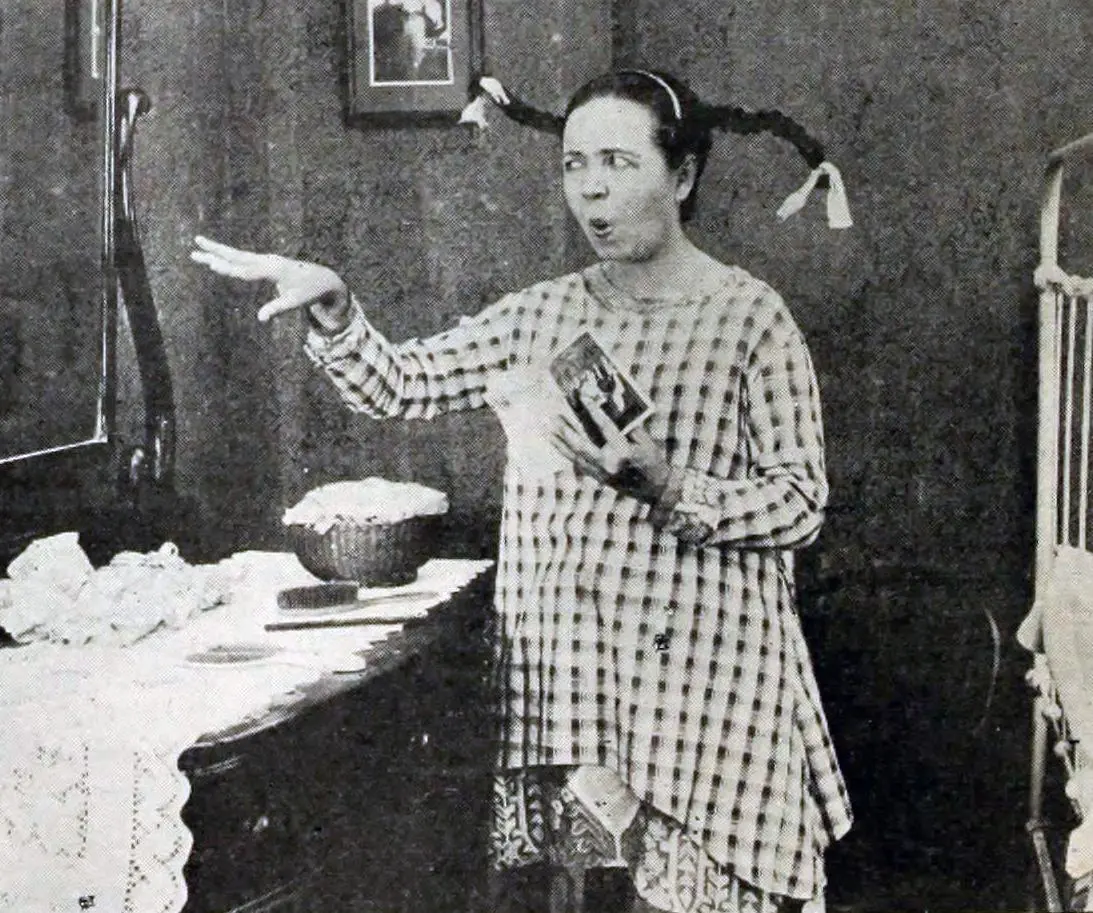
In the burgeoning landscape of early 20th-century cinema, few figures possessed the incandescent magnetism of Mabel Normand. In Sis Hopkins (1919), directed by Clarence G. Badger, we witness a performer at the zenith of her creative powers, navigating the precarious transition from the short-form slapstick of the Keystone era to the more sophisticated, character-driven narratives of the Goldwyn features. This film is not merely a vehicle for physical comedy; it is a scathing, albeit humorous, interrogation of class pretension and the predatory nature of the American Dream. Normand’s portrayal of Sis is a masterclass in physical storytelling, utilizing every muscle of her face and every jerky movement of her limbs to convey a character that is simultaneously absurd and deeply sympathetic.

Unlike the polished heroines of A Continental Girl, Sis is a creature of the earth—coarse, loud, and utterly devoid of the artifice that the high society of the time demanded. The narrative arc begins with a moment of pure serendipity: a spilled oil can. It is fascinating to observe how early cinema utilized such trivialities to drive grand plots. The iridescent shimmer on the water’s surface becomes a Rorschach test for the characters' souls. To Ridy Scarboro, played with a gentle sincerity by John Bowers, it is just a mess. To the avaricious Vibert (Sam De Grasse), it is a vision of unearned wealth. This central misunderstanding serves as the engine for a plot that mirrors the social mobility themes found in Marrying Money, yet Normand injects it with a raw, rural vitality that is entirely her own.
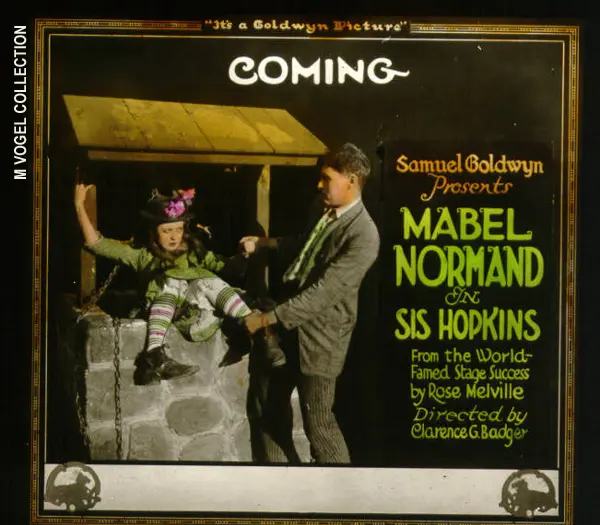
The middle act of the film, which sees Sis transplanted to a finishing school for young women, provides the most fertile ground for Badger’s directorial flourishes and Normand’s comedic timing. There is a delicious irony in watching the "unrefined" girl clash with the rigid, almost skeletal discipline of Miss Peckover. This pedagogical nightmare is a trope that cinema has revisited countless times, but in 1919, it felt revolutionary. Sis does not merely fail to fit in; she actively dismantles the institution through her mere presence. Her attempts at "refinement" are less about learning and more about a subconscious rebellion against a system that views her as a project rather than a person.
This segment of the film invites comparison to Up the Road with Sallie, where the protagonist also navigates the pitfalls of social expectation. However, Sis Hopkins leans harder into the grotesque. The visual gag of Sis in high-fashion attire—looking like a bird of paradise trapped in a Victorian cage—is both hilarious and heartbreaking. It highlights the film's underlying critique: the wealthy do not want to elevate the poor; they want to domesticate them. Vibert’s eventual realization that Sis will never "measure up" is the ultimate indictment of his character. He is looking for a wife who is an ornament, a silent partner to his greed, much like the dynamic explored in the darker themes of The Libertine.
Sam De Grasse’s Vibert is a quintessential silent film antagonist, but he is played with a chilling lack of mustache-twirling. His villainy is rooted in a very modern kind of corporate sociopathy. He sees people as assets and land as something to be pillaged. The way he manipulates Pa Hopkins (Thomas Jefferson) is a sobering reminder of the power dynamics inherent in rural property rights, a theme that echoes through the melodramatic beats of Told in the Hills. The film deftly balances this tension with the comedic subplot of Ridy’s jealousy. Ridy represents the status quo—the comfortable, honest, but stagnant life that Sis eventually chooses over the hollow promises of the city.
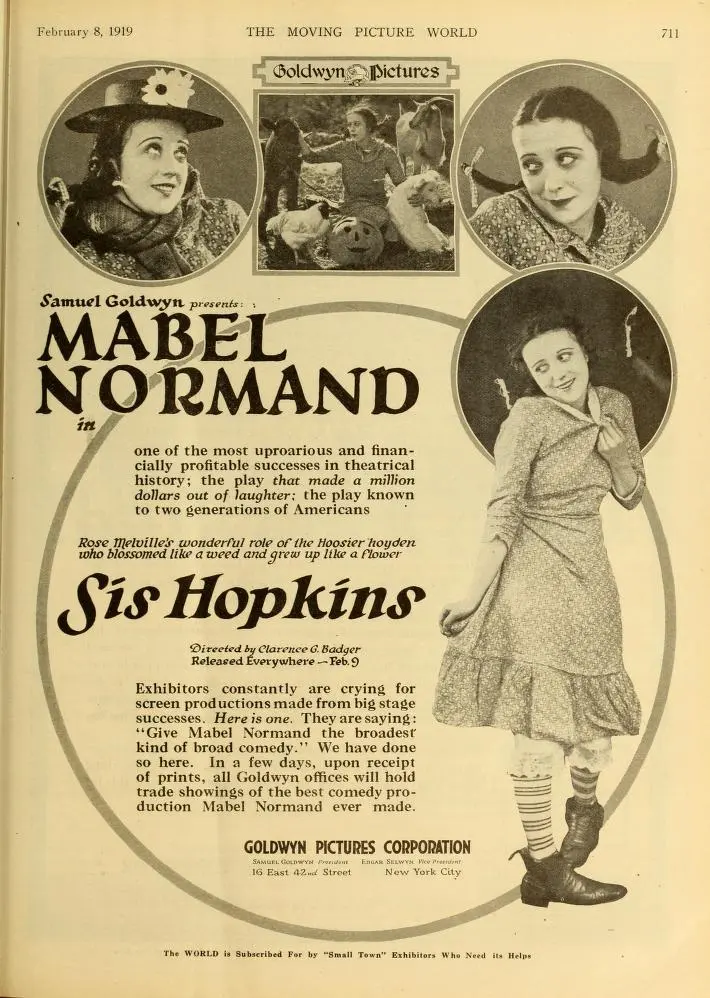
When Sis returns home, the film shifts from fish-out-of-water comedy to a proto-feminist heist movie. The scene where she outwits Vibert, tripling the price of the land, is a cathartic reversal of the "dumb country girl" archetype. She uses Vibert’s own greed against him, proving that while she may lack formal education, her native intelligence is far superior to his predatory cunning. This subversion of expectations is what elevates Sis Hopkins above contemporary works like A Fool's Paradise, which often relied on more traditional moral resolutions.
Technically, Sis Hopkins is a testament to the sophistication of the Goldwyn studio's production values. The cinematography captures the stark contrast between the wide-open, dusty spaces of the farm and the claustrophobic, ornate interiors of the seminary. The lighting in the final confrontation—where Vibert finally discovers the source of his "oil strike"—is particularly effective, casting long shadows that reflect his moral bankruptcy. The pacing, often a hurdle for modern audiences of silent film, remains remarkably brisk, a credit to Badger's editing and Normand's relentless energy.
We must also acknowledge the supporting cast. Eugenie Forde as Miss Peckover provides the perfect foil for Normand’s antics, her stiff-backed disapproval serving as the straight line to Sis’s jagged curve. Nick Cogley and Harry McCoy fill out the rural landscape with performances that, while leaning into caricature, provide a necessary sense of community. This ensemble work creates a lived-in world that feels more authentic than the stylized settings of The Spanish Jade or the historical grandeur of Famous Battles of Napoleon.
As we look back at Sis Hopkins from a century’s distance, its relevance persists. It is a story about the resilience of the individual against the machinations of the powerful. Sis is a precursor to many of the great comedic heroines who would follow, blending vulnerability with a sharp, protective instinct for self-preservation. While the film is ostensibly a comedy, it touches upon the same anxieties of identity and class that permeate The Girl from His Town and Pamela Congreve.
In the final analysis, the film’s greatest achievement is the preservation of Mabel Normand’s unique spark. In an era where women were often relegated to being either the damsel or the vamp, Normand carved out a third path: the trickster. Sis Hopkins is a trickster figure in the truest sense—she disrupts the order, exposes the truth, and ultimately restores balance. The revelation of the oil can is not just a punchline; it is a profound statement on the nature of value. Vibert invested in a lie because he was blinded by his own desire for easy wealth. Sis, meanwhile, invested in herself and her home. It is a timeless lesson wrapped in the beautiful, flickering celluloid of a bygone age. For those exploring the archives of silent cinema, this film is an essential stop, standing tall alongside other character studies like Cora or the moral inquiries of Who Pays?. It remains a vibrant, hilarious, and deeply human experience.
IMDb 3
1928
Community
Log in to comment.