DbcultAccessing Vault...
5.3/10
Senior Film Conservator
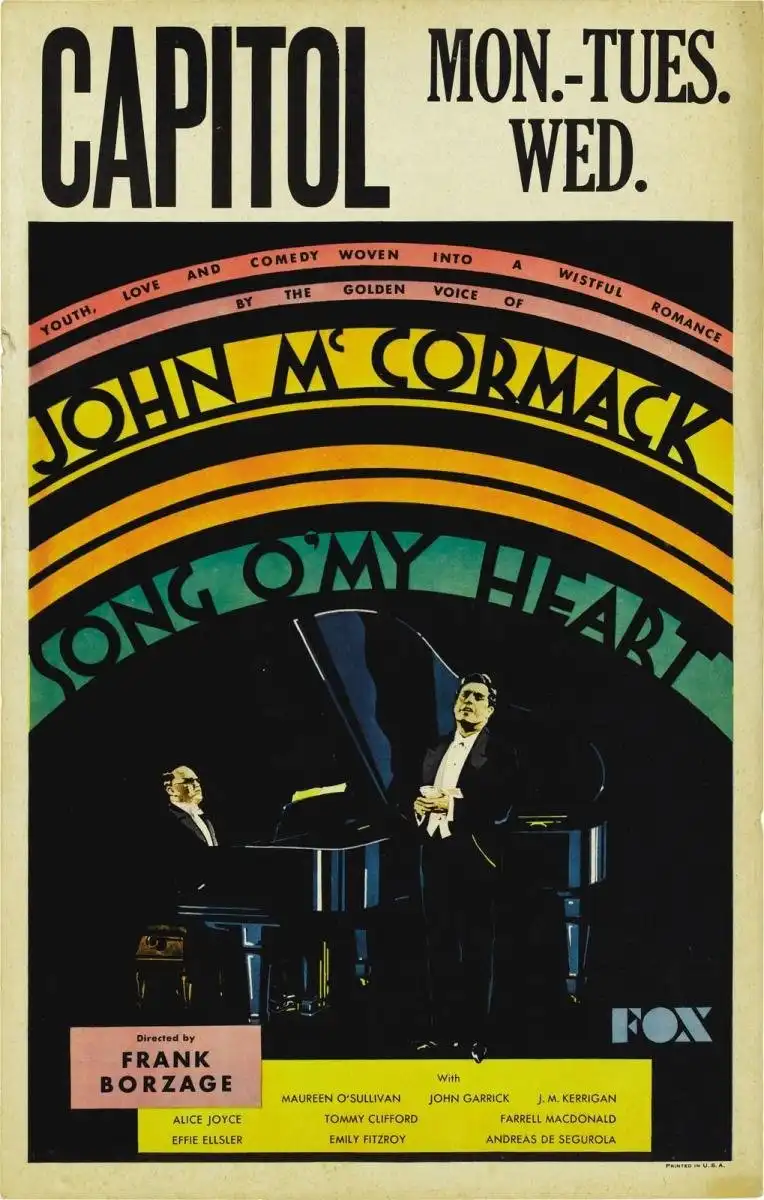
A definitive 5.3/10 rating for a film that redefined the boundaries of cult cinema. Song o' My Heart remains a cornerstone of transgressive art.
Okay, let’s be upfront: Song o’ My Heart isn't really for everyone today. If you're into snappy dialogue, fast pacing, or complex plots, you'll probably find yourself a bit lost or even bored. But if you have even a passing interest in early sound films, or a deep appreciation for classical singing, this 1930 movie is absolutely worth a peek. It’s a chance to hear a legendary voice, really.
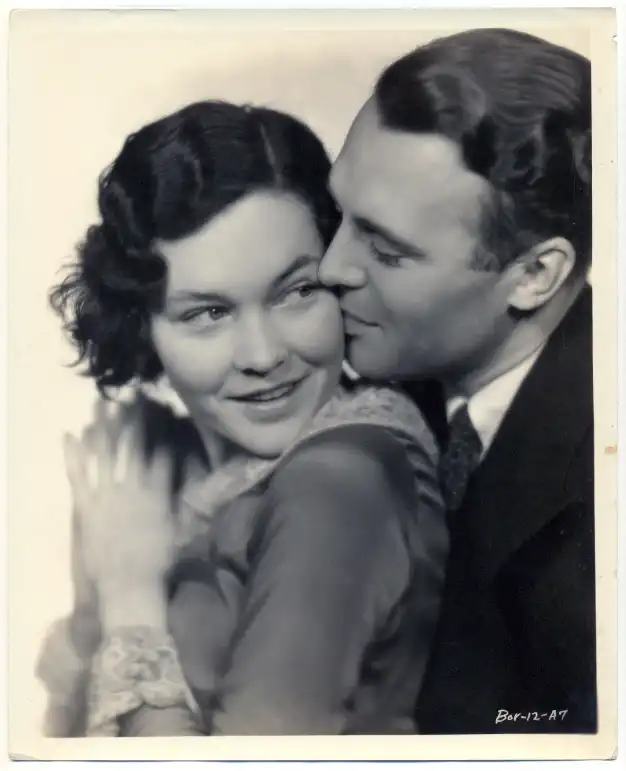
The story itself is quite simple, almost just a frame to hang the music on. Sean (John McCormack), a tenor, lives in a quiet village with his wife, Mary. She's got this whole sad past, deserted by her aunt, which, honestly, feels a little tacked on to give her character some depth. Sean goes off on a tour to America, supposedly to find "peace," which is one of those broad movie motivations that doesn't get much granular explanation.
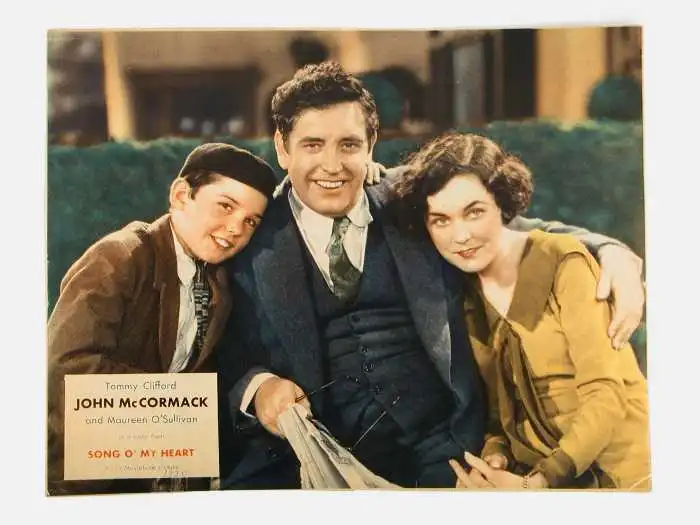
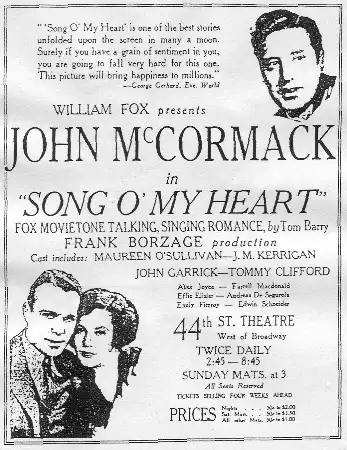
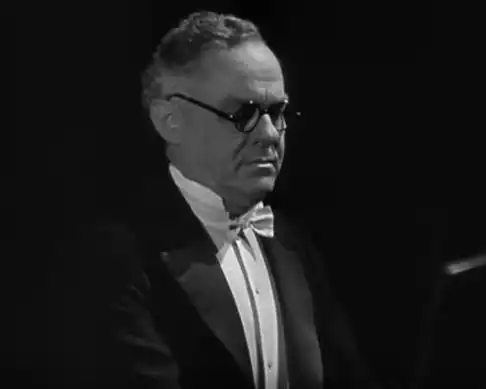
The real draw, without a doubt, is John McCormack. When he opens his mouth, the whole film just stops, and it becomes a live concert. His voice, even through early sound technology, is something else. There's a scene where he's singing in what looks like a grand concert hall, and you just feel the power. It's not about the acting in those moments; it's purely about the sound.
It’s important to remember this is 1930, you know? Early talkies had their quirks. Sometimes the camera feels glued to the floor, just watching scenes unfold. The acting, too, can feel a bit stage-bound, very deliberate. You see characters reacting with wide eyes or exaggerated gestures that might feel unnatural now.
There's this part where Sean is in America, and he seems to genuinely enjoy the new surroundings. It's not a huge dramatic shift, more like a quiet contentment. He's just... singing. And that's the point, I guess. The movie almost says, "Look, here’s a tenor, let him sing."
Maureen O'Sullivan pops up here, in one of her very first roles. She's so young, barely a blip, but it's neat to see her before she became a bigger star. Her scenes are brief, mostly just reacting to the main drama, but she has a certain presence even then.
One moment stuck with me: a shot of Sean looking out a window, thinking. It lingers for quite a while, probably longer than needed, but it lets you just sit with him. It gives a sense of quiet reflection, though you're never quite sure what he's reflecting on, exactly. Maybe it’s about the cost of fame, or maybe just what he'll have for dinner. 🤷♀️
The movie is strongest when it just lets McCormack sing. The actual plot beats, like Mary’s mysterious aunt issues or the whole "finding peace" thing, they don't quite land with the same weight. They serve their purpose, sure, but they don't stick.
It’s a peculiar experience, watching a film like this now. You're not really watching for the narrative twists. You're watching for the historical artifact of it, for the chance to witness a legendary performer in his prime. For that, it delivers. For anything else? Well, set your expectations appropriately. 🎶

IMDb 6.7
1933
Community
Log in to comment.