DbcultAccessing Vault...
Cult Review
Senior Film Conservator
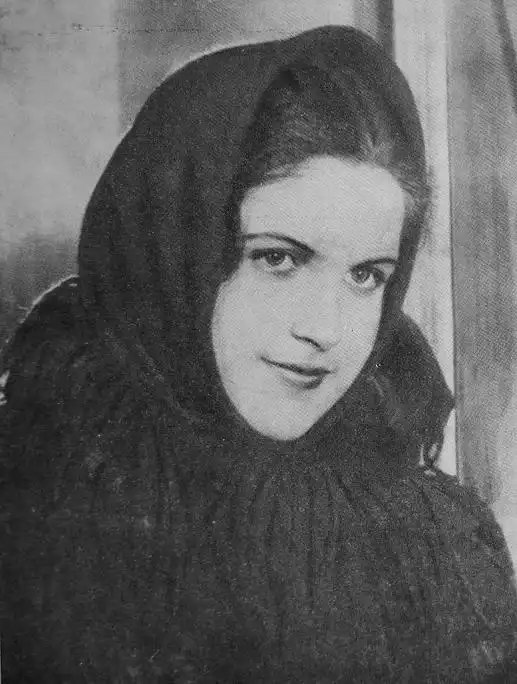
If you have a rainy afternoon and a soft spot for 19th-century pining, Asya is definitely worth a look today. It is one of those movies that makes you feel a bit dusty, but in a good way, like finding an old pressed flower in a book you forgot you owned.
If you need explosions or people talking fast, you are going to absolutely hate this. It moves at the speed of a slow walk through a garden, which I guess is the point. 🥀
The movie starts with a lot of walking around and looking at scenery in Germany. I kept thinking about how heavy those wool coats must have been for the actors in the sun.
Asya herself, played by Irina Volodko, is... well, she is a lot. She spends the first twenty minutes climbing on stone walls and looking vaguely mischievous in a way that feels very 'silent movie acting.'
There is this one shot where she is sitting on a high ledge. The way the light hits her hair makes it look like she is glowing, which is a bit much, but it really works for the mood they are going for.
The guy she likes, N.N., seems like he is perpetually confused about his own feelings. He spends a lot of time just staring at her while she does weird stuff like running through a field or hiding behind trees.
It reminds me a bit of the vibe in Manon Lescaut, where everyone is just making the worst possible decisions for their own hearts. You really want to reach into the screen and shake them both. 🤝
Especially when they are sitting in those dimly lit rooms. The shadows in this print are so deep they practically swallow the furniture and half the actors' faces.
I noticed one extra in the background of a town scene who looked incredibly bored. He was just leaning against a post, probably wondering when the crew was going to wrap for lunch.
It is those little things that remind you this was filmed nearly a hundred years ago. The costumes are great, though, very ruffly and dramatic in that specific Russian style.
The brother, Gagin, has a mustache that deserves its own acting credit. It is very stiff and very serious, much like the man himself.
He spends most of his time looking worried, which is fair. But sometimes he looks like he is trying to remember if he left his stove on back in Russia. 🏠
The intertitles—the text on screen—are actually pretty poetic in this version. They do not overexplain every single emotion, which I really appreciated while watching.
Some silent movies try to tell you exactly how to feel every second with giant blocky text. This one lets the faces do the heavy lifting, even if the faces are doing a bit too much lifting sometimes.
There is a scene by the river that feels incredibly long. The water just keeps flowing and they keep looking at it without saying a word (obviously).
I just thought about how cold that water probably was for the actors. They look genuinely chilly in those thin shirts.
If you have seen something like Nobleza gaucha, you know how these older films can feel a bit staged and stiff. Asya has that, but it also has these weirdly raw moments that feel modern.
Like when she realizes he is not going to step up and marry her. Her face just... drops, and for a second, you forget you're watching a black and white film from the 20s.
It is not a perfect movie by any means. The middle part drags like a wet blanket and honestly, I checked my watch twice.
And the ending feels a bit rushed, like they ran out of film or the sun was going down. But for a 1928 production, it has a lot of soul in it.
I think the director really liked close-ups of hands. There are so many shots of hands touching sleeves or holding crumpled letters. ✉️
It is a bit obsessive, but it makes the whole thing feel very intimate and small. It’s not a grand epic, it’s just three people being sad in the woods.
Anyway, if you like Turgenev’s stories, you will probably find this fascinating to look at. It captures that specific Russian gloominess quite well, even in a German setting.
Just do not expect a happy ending. Nobody gets what they want, and then the screen just goes black. 🎬

IMDb 7.3
1923
Community
Log in to comment.