DbcultAccessing Vault...
7.4/10
Senior Film Conservator
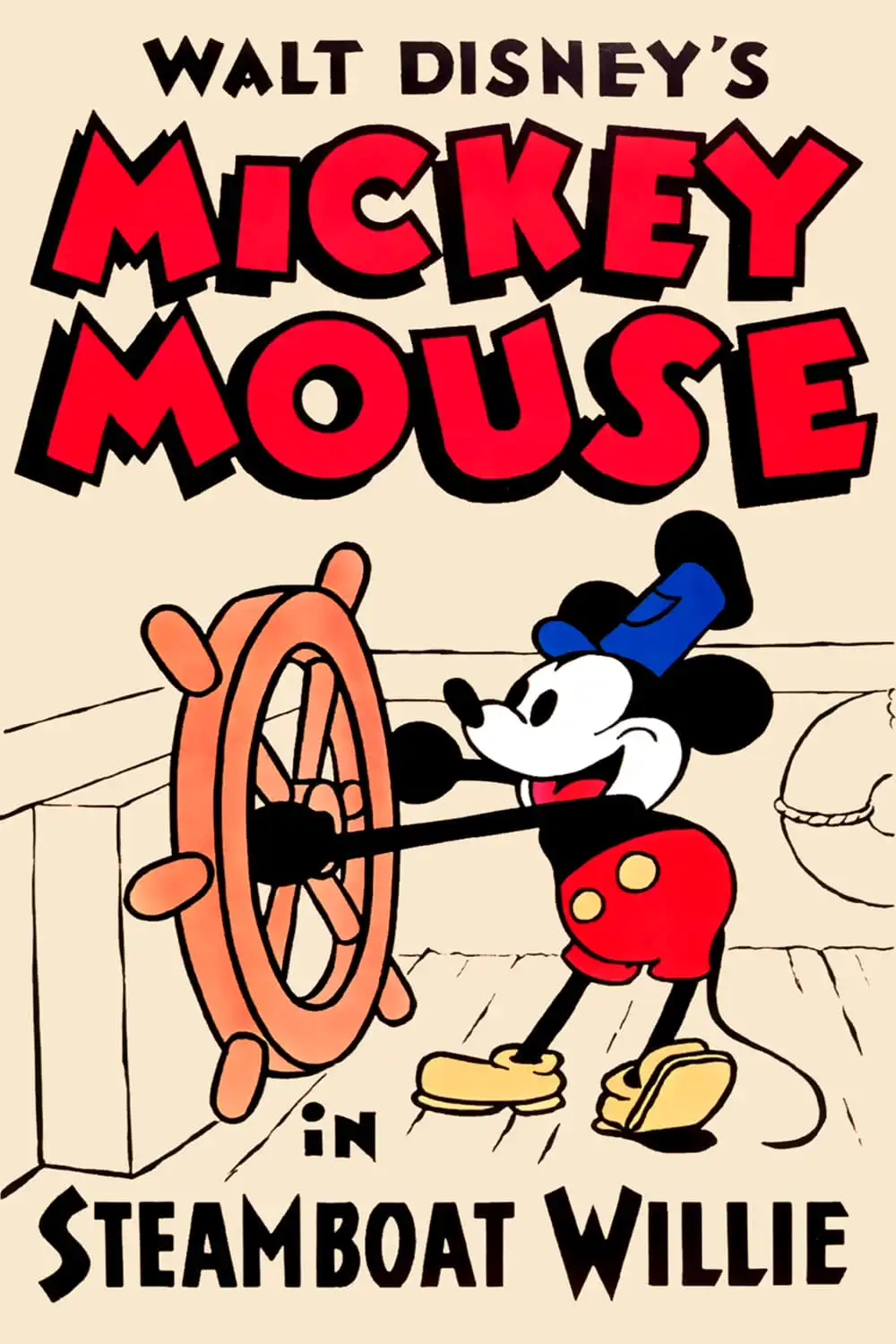
A definitive 7.4/10 rating for a film that redefined the boundaries of cult cinema. Steamboat Willie remains a cornerstone of transgressive art.
If you are looking for the sanitized, corporate version of Mickey Mouse that sells plushies at theme parks, Steamboat Willie will be a shock to the system. It is absolutely worth watching today, not just as a seven-minute museum piece, but as a genuinely energetic piece of filmmaking. It’s for anyone who appreciates the origins of slapstick and the technical wizardry of early sound. However, if you’re sensitive to 'cartoon violence' involving animals—even in a stylized 1928 context—you might find Mickey’s treatment of a nursing sow or a house cat a bit jarring.

The most striking thing about watching Steamboat Willie in the 21st century is Mickey himself. This isn't the blandly nice protagonist he eventually became. This Mickey is a mischievous, slightly arrogant, and occasionally cruel little scrapper. From the opening moments where he’s joyfully whistling at the helm—mimicking the motions of a seasoned captain—to the way he reacts when Pete kicks him off the bridge, there’s a physical defiance here that is missing from his modern iterations. When Pete grabs him, Mickey’s body stretches like taffy, a hallmark of Ub Iwerks’ 'rubber hose' animation style that gives the film a constant sense of kinetic motion.
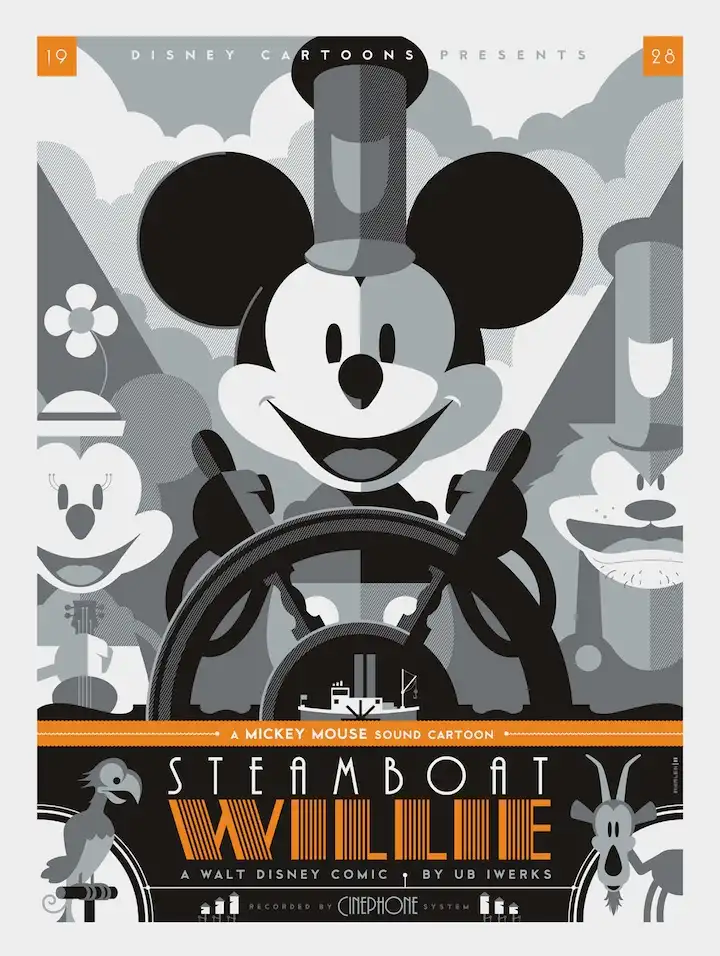
The character of Pete is equally effective as a purely physical antagonist. He doesn't need dialogue; the way he bites off a piece of chewing tobacco and spits it with such force that it bounces off a bell and hits himself in the face tells you everything you need to know about his competence and his temper. The rivalry isn't deep, but the weight difference between the two characters makes Mickey’s eventual 'victory' through music feel like a clever underdog story.
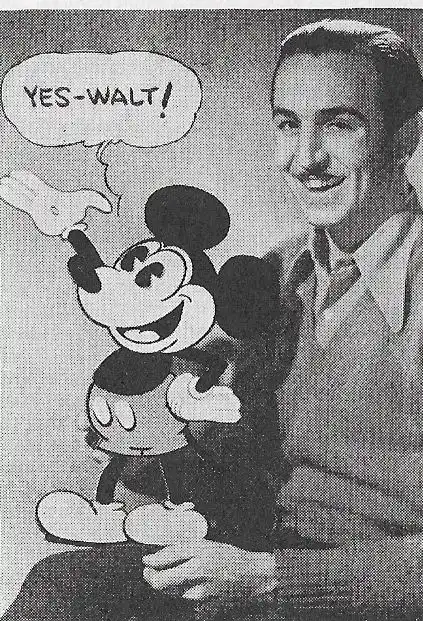
While Steamboat Willie wasn't the first cartoon to use synchronized sound, it was the first to make sound the primary engine of the plot. The middle section of the film is essentially a music video. Once Minnie is safely (if roughly) hoisted onto the boat, the film shifts from a narrative about a riverboat journey into a rhythmic free-for-all.
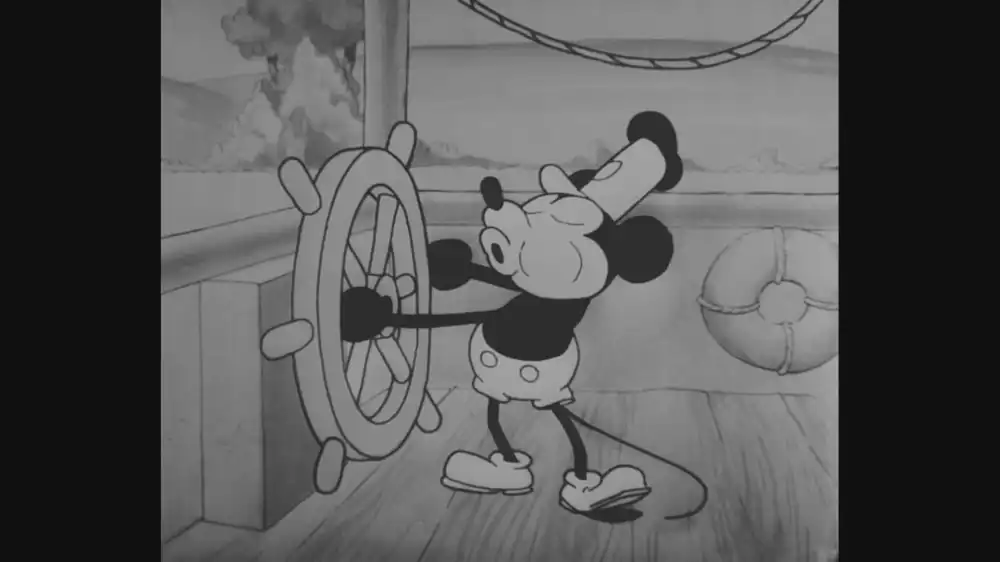
The sequence where Mickey uses the livestock as instruments is the film’s most famous and most controversial stretch. There is a specific, tactile quality to the animation here. When Mickey pulls the tails of the nursing piglets to make them squeal in key, or when he swings a cat by its tail to create a rhythmic whirring sound, the timing is impeccable. You can feel the 'beat' in every frame. The way Mickey uses a cow's teeth as a xylophone is a particularly inventive piece of visual surrealism. It’s gross, it’s weird, and it’s perfectly timed to the music of 'Turkey in the Straw.'
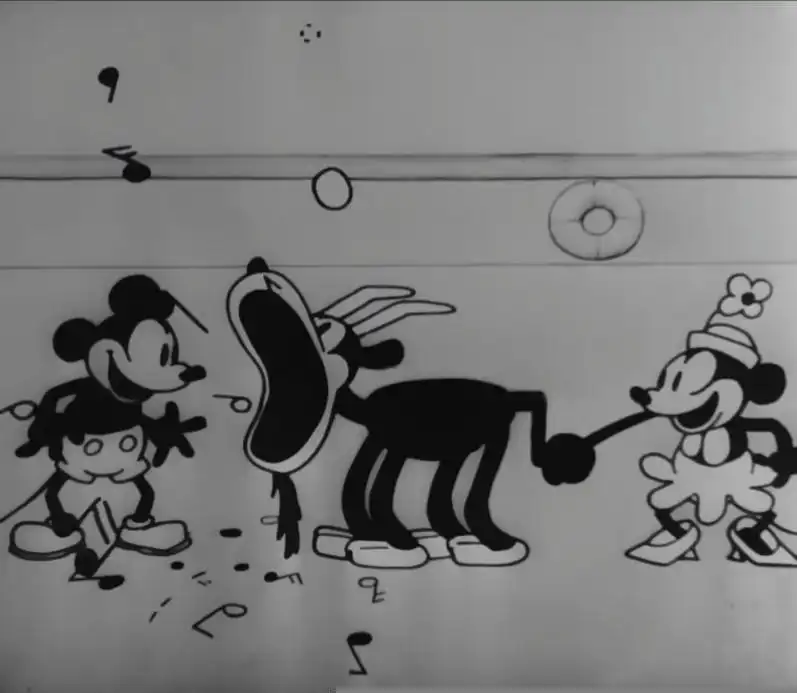
The visual clarity of the film is remarkable for 1928. The backgrounds are simple—mostly flat grays and blacks—which allows the white-gloved movements of the characters to pop. There’s a great moment early on where the boat’s three smokestacks puff out clouds in a rhythmic 1-2-3 pattern that mirrors the music. It’s a small detail, but it shows how Iwerks and Disney were thinking about the screen as a total sensory environment where everything, even the machinery, had a heartbeat.
The editing is also surprisingly tight. There are no wasted frames. When Mickey is peeling potatoes at the end of the film, the arrival of the parrot provides a sharp, annoying counterpoint to the music that just ended. The parrot’s laugh is grating, and Mickey’s reaction—throwing a half-peeled potato at it—is a satisfying, if petty, conclusion. It grounds the film in a reality where characters have tempers and frustrations, unlike the more ethereal adventures of other shorts from that era like La secta de los misteriosos, which relied on much more static, theatrical framing.
It is difficult to find 'drag' in a seven-minute short, but the 'Turkey in the Straw' sequence does go on just a beat too long if you aren't fully invested in the novelty of the sound synchronization. Once you’ve seen the third or fourth animal being manipulated for a gag, the shock wears off and you’re just waiting for the next plot beat. Additionally, the transition from the crane sequence to the musical sequence is a bit abrupt; the film essentially stops its forward momentum to have a jam session. If you’re looking for a cohesive story, this isn’t it—it’s a series of escalating vaudeville acts.
Steamboat Willie remains a foundational text because it understands that animation shouldn't just look like life; it should feel like a dream where logic is secondary to rhythm. The sound design isn't just an add-on; it’s the skeleton of the entire piece. While some of the 'animal-as-instrument' gags feel mean-spirited by today’s standards, they represent a raw, unpolished version of American animation that was willing to be ugly for the sake of a laugh. It’s short, it’s loud, and it’s a vital reminder that Mickey Mouse started his career as a troublemaker, not a mascot.
IMDb —
1924
Community
Log in to comment.