DbcultAccessing Vault...
Cult Review
Senior Film Conservator
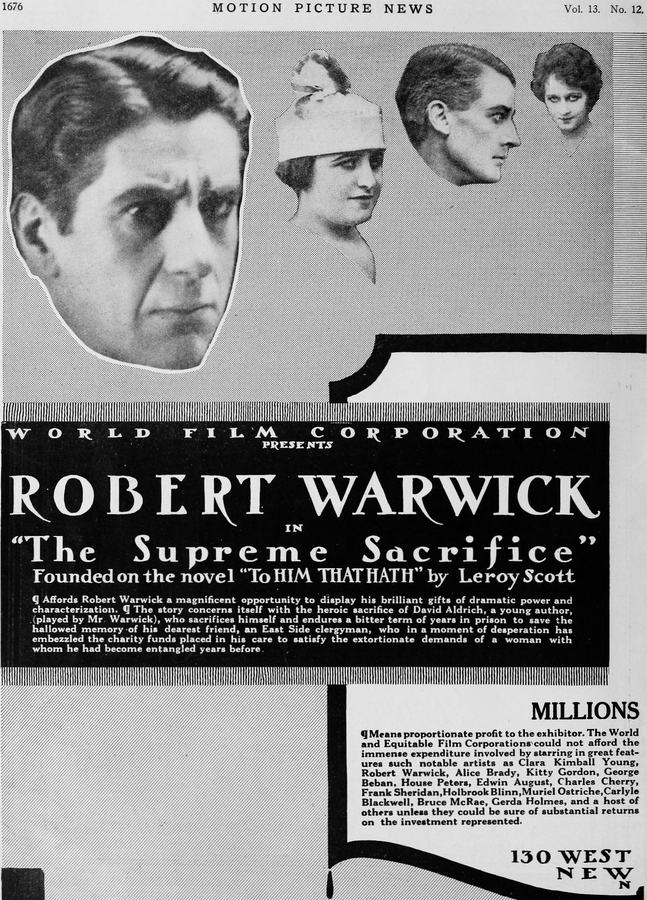
In an era captivated by grand gestures and the intricate dance of human morality, The Supreme Sacrifice emerges as a profound cinematic testament to the depths of loyalty and the crushing weight of injustice. This narrative, crafted by Leroy Scott, transcends mere melodrama, delving into the very fabric of human character, challenging our perceptions of heroism and the relentless pursuit of truth. It's a story that resonates with an almost mythic quality, exploring themes that are as pertinent today as they were upon its initial release.
At its heart lies David Aldrich, portrayed with earnest conviction by Dion Titheradge, a burgeoning author whose manuscripts, ironically, are deemed by publishers to lack the very 'realism' he is destined to embody. His creative spirit, however, is buoyed by two pillars: the unwavering affection of Helen Chambers (Anna Q. Nilsson) and the profound camaraderie of Reverend Phillip Morton (Robert Warwick), a beacon of hope for the East Side community. This seemingly idyllic tableau, however, conceals a festering secret that will irrevocably alter all their lives. Morton, the idolized minister, is ensnared in a sinister web of blackmail, a consequence of a youthful indiscretion with the manipulative Lillian Drew (Christine Mayo), now a woman of ill repute. This clandestine torment drives Morton to a desperate act: the misappropriation of charity funds, a gamble on worthless stock that culminates in his sudden, fatal heart failure. The abruptness of his demise leaves a gaping void, but more critically, it leaves a trail of financial impropriety that demands accountability.
It is David, grief-stricken and bewildered, who stumbles upon the harrowing truth of Morton's secret, the sordid details of his blackmail and embezzlement. This discovery places him at a precipice, a moral dilemma of monumental proportions. When the charity committee uncovers the deficit, suspicion, almost inevitably, falls upon David. Here, the film elevates its narrative beyond simple plot mechanics into the realm of profound character study. David, rather than betraying the memory of his deceased friend, rather than sullying the reputation of a man who, despite his flaws, had dedicated his life to helping others, chooses silence. This choice, this 'supreme sacrifice,' is the narrative's fulcrum. He submits to trial and conviction, enduring four years of incarceration, a martyr to friendship and an unwitting victim of circumstance. This stoicism, this quiet acceptance of a wrongful fate, distinguishes The Supreme Sacrifice from many of its contemporaries, imbuing it with a gravitas that belies its melodramatic trappings.
While David languishes in prison, Helen Chambers, a character of remarkable fortitude, never wavers. Her faith in David remains unblemished, her years spent in charitable and settlement work, a quiet testament to her own unwavering spirit. This parallel arc of perseverance underscores the film's thematic depth; both David and Helen, albeit in different circumstances, exemplify resilience in the face of adversity. Upon his release, David confronts a world that has not forgotten, nor forgiven. The police, with their 'customary method of hounding ex-convicts,' systematically impede his attempts at honest employment. This portrayal of societal prejudice against former inmates, even those wrongly convicted, offers a stark commentary on the punitive nature of the justice system and the enduring stigma attached to incarceration. It’s a theme that echoes in later, more explicit social dramas, highlighting The Supreme Sacrifice's prescient critique of societal structures.
Despite these formidable obstacles, David's indomitable will propels him forward. He rebuilds his life, meticulously avoiding his former friends and, most painfully, the woman he still deeply loves. This self-imposed exile, a continuation of his earlier sacrifice, speaks volumes about his character – a man who places the perceived well-being of others, or at least the protection of Morton's memory, above his own happiness. This journey of redemption and self-discovery, fraught with internal and external conflicts, sets it apart from more simplistic narratives. One might draw parallels to the profound moral struggles depicted in films like Der Weg, der zur Verdammnis führt, 1.Teil - Das Schicksal der Aenne Wolter, where characters navigate treacherous paths defined by past choices and societal judgment. The quiet resilience of David also brings to mind the silent suffering often explored in works like The Wasted Years, where individuals grapple with the aftermath of profound personal setbacks.

The catalyst for revelation comes, ironically, from Lillian Drew herself, the very architect of Morton's downfall. Through her, Helen finally uncovers the truth behind David's 'supreme sacrifice.' This moment is a powerful narrative hinge, shattering the long-held misunderstanding and paving the way for a long-overdue reckoning. Helen, armed with this newfound knowledge, seeks out David, compelling him to shed his silence and affirm Morton's guilt and his own unblemished innocence. This confrontation is not merely a dramatic climax but a profound act of healing, allowing David to finally release the burden he has carried for so long. The scene, while potentially understated in its original cinematic presentation, carries immense emotional weight, recalling the powerful revelations in films such as Fedora, where long-buried secrets finally come to light, altering the course of lives.
The culmination of David's ordeal is a multi-faceted triumph. The East Side community, initially quick to condemn, learns to understand and revere the man they once scorned as a despicable swindler. This collective shift in perception is a crucial element of the film's message, highlighting the potential for communal redemption and the power of truth to dismantle prejudice. More importantly, David, forged by the crucible of his bitter experiences, finally discovers his authentic authorial voice. His narratives, once criticized for their lack of realism, now brim with the raw, unvarnished truth of life as it truly is. This artistic awakening, born from profound suffering, positions him on the road to both professional success and, crucially, a hard-won, genuine happiness with Helen. It's a testament to the transformative power of adversity, a theme that resonates deeply in human experience.
The lexical tapestry of The Supreme Sacrifice, even in its plot synopsis, suggests a richness that would have been brought to life by its cast. Words like 'nascent,' 'grapples,' 'buoyed,' 'unwavering,' 'steadfast,' 'venerated,' 'ensnared,' 'corrosive,' 'opportunistic,' 'misappropriates,' 'precipice,' 'stoically,' 'incarceration,' 'resilience,' 'pervasive stigma,' 'indomitable,' 'meticulously,' and 'crucible' paint a picture of a sophisticated narrative, far removed from simplistic morality plays. This depth of language hints at the film's ambition to explore complex human motivations and the nuanced interplay of fate and free will. The film’s exploration of reputation versus reality, and the devastating impact of societal judgment, is a powerful undercurrent that elevates it beyond mere entertainment. We see parallels in other films that delve into the public’s perception versus an individual’s true character, such as The Ghost of Old Morro, where appearances often mislead.
The characters themselves are archetypal yet imbued with enough specificity to feel real. David Aldrich is the quintessential suffering artist, his idealism tested by brutal reality. Helen Chambers embodies the steadfast, loyal woman, a beacon of hope and unwavering faith. Reverend Morton, the fallen idol, represents the tragic consequences of hidden sin and the pressures of maintaining a public facade. Lillian Drew is the embodiment of opportunistic malevolence, a force of chaos that unravels lives. Jessie Lewis, Robert Forsyth, and Vernon Steele, though their specific roles aren't detailed in the plot, undoubtedly contributed to this rich character ensemble, adding layers of nuance to the narrative fabric. The interplay of these characters, each driven by their own desires and moral compasses, creates a compelling drama that speaks to universal human experiences.
When viewed against the backdrop of early 20th-century cinema, The Supreme Sacrifice stands out for its intricate plot and its bold exploration of moral ambiguity. While many films of the era, like Stage Struck, focused on lighter romantic or comedic narratives, or Lest We Forget, dealt with wartime patriotism, The Supreme Sacrifice dared to delve into the darker corners of human nature and societal failings. Its thematic complexity aligns it more closely with character-driven melodramas that sought to elicit strong emotional responses while also prompting reflection on ethical quandaries. The film's portrayal of David's unjust conviction and subsequent struggle for rehabilitation resonates with the social commentary found in films that explore the darker sides of human existence and societal judgment, such as The Invisible Enemy, where unseen forces of prejudice and injustice often dictate a character's fate.
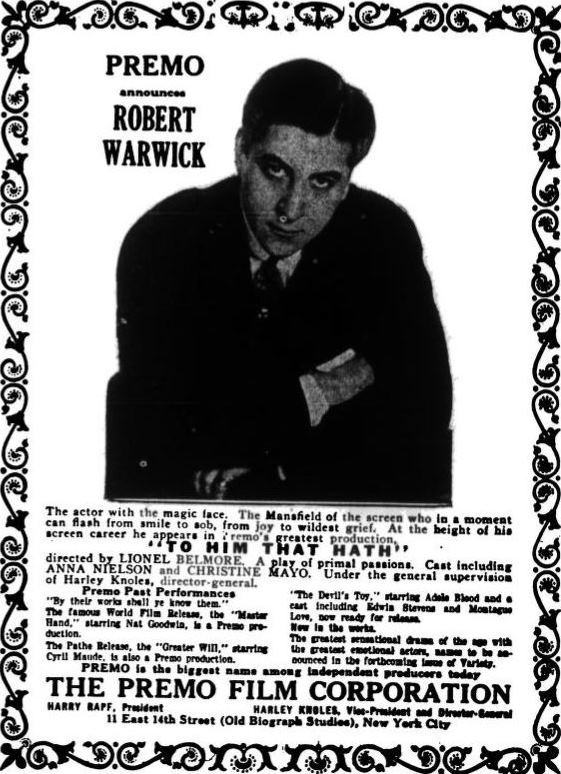
The narrative's emphasis on a 'supreme sacrifice' for friendship, leading to personal suffering but ultimately to a form of redemption and authentic self-discovery, is a powerful motif. It speaks to a deep human need for meaning and integrity, even in the face of profound adversity. This theme of enduring love and loyalty in the face of societal pressure can be seen in other films of the period, such as Souls Triumphant, which often explored the resilience of the human spirit against overwhelming odds. The intricate weaving of personal drama with broader social issues, like the plight of ex-convicts, gives the film a timeless quality, ensuring its relevance beyond its historical context. The slow, arduous path to truth and recognition for David mirrors the patient unfolding of justice or revelation in narratives like The Crimson Dove, where secrets are meticulously unraveled.
Moreover, the film's resolution, where David's bitter experiences become the wellspring of his artistic success, offers a compelling meta-narrative about the nature of art itself. It posits that true realism in writing, the very quality publishers initially found lacking, can only be forged in the crucible of authentic, often painful, life experience. This transformation of suffering into creative output is a powerful message, particularly for aspiring artists. It reinforces the idea that hardship can be a powerful muse, refining one's perspective and deepening one's understanding of the human condition. The journey of David Aldrich, from aspiring writer to a voice of genuine realism, is a profound testament to the power of lived experience in shaping artistic expression. This journey of self-discovery through hardship is a recurring theme in cinema, often seen in narratives like The Pines of Lorey, where characters find their true calling after navigating significant personal trials.
The Supreme Sacrifice is more than just a historical artifact; it's a narrative blueprint for many stories of wrongful accusation and ultimate vindication that followed. Its exploration of themes such as the fragility of reputation, the enduring power of love, and the arduous path to truth ensures its continued resonance. The film's conclusion, with David finding both professional success and personal happiness, provides a satisfying, albeit hard-won, resolution that underscores the enduring human capacity for resilience and hope. The journey David undertakes, both physically and emotionally, to clear his name and reclaim his life, echoes the determined spirit found in films like The Phantom Riders, where protagonists relentlessly pursue justice or personal liberty. The sheer emotional weight of the narrative, particularly David's unwavering commitment to his friend's memory, places it among films that explore profound human connections and the sacrifices made for them, such as The Girl of Lost Lake, where loyalty often demands a high price.
The casting of Jessie Lewis, Dion Titheradge, Robert Warwick, Robert Forsyth, Vernon Steele, Christine Mayo, and Anna Q. Nilsson, under Leroy Scott's masterful storytelling, brought this intricate tale to life. Their performances, even if only glimpsed through summaries, suggest a powerful ensemble capable of conveying the emotional depth required for such a nuanced narrative. The film's ability to weave together personal tragedy with broader social commentary, culminating in a satisfying, if bittersweet, triumph, marks it as a significant contribution to early cinema. It’s a compelling reminder that stories of moral complexity and human fortitude are timeless, capable of captivating audiences across generations. The universal struggle for justice and the triumph of truth, even after significant delay, is a narrative thread that connects The Supreme Sacrifice to a vast tapestry of cinematic endeavors, from the intensely personal to the grandly epic, resonating with the spirit of determination seen in films like Dezata na Balkana and the intricate unraveling of mysteries in Beatrice Fairfax Episode 13: The Ringer. The ultimate journey to happiness, after enduring immense suffering, is a narrative arc that continues to inspire and resonate, much like the hopeful conclusion of Sonho de Valsa, where dreams, though tested, ultimately prevail.
In essence, The Supreme Sacrifice is a masterclass in narrative construction and thematic exploration. It challenges viewers to consider the true cost of loyalty, the corrosive nature of secrets, and the enduring power of truth. David Aldrich's journey is not merely a plot; it is an odyssey of the soul, a testament to the human spirit's capacity for profound altruism and eventual triumph. Its legacy lies not just in its dramatic impact but in its subtle yet powerful commentary on societal judgment and the redemptive power of integrity. A truly compelling experience for anyone interested in the evolution of cinematic storytelling and the timeless narratives of human struggle and triumph.

IMDb —
1930
Community
Log in to comment.