DbcultAccessing Vault...
6/10
Senior Film Conservator
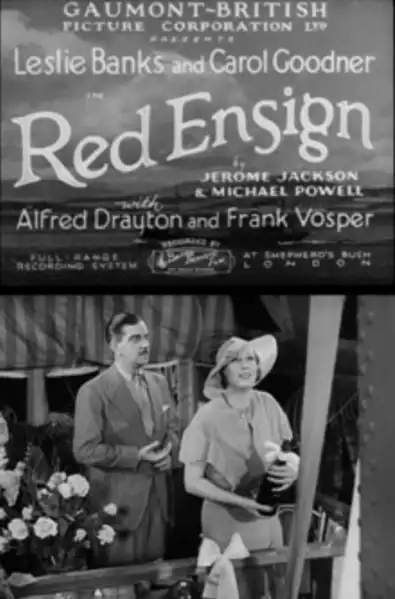
A definitive 6/10 rating for a film that redefined the boundaries of cult cinema. Strike! remains a cornerstone of transgressive art.
If you like old British black-and-white films that smell like sawdust and stubbornness, then yeah, maybe. It’s definitely not for anyone who needs high-octane pacing or complex camera work. You’ll probably hate it if you’re looking for a smooth, modern narrative structure. It’s clunky. It’s loud. It’s got that 1930s urgency that feels like everyone is shouting their lines just to be heard over the background noise.

The whole thing feels like it was filmed in about three days. Not in a bad way, necessarily. Just in a, 'let's get this done before the lunch bell rings' kind of way.
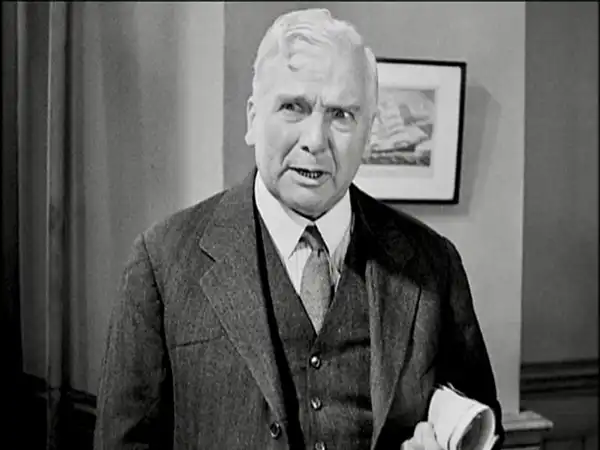
David Barr, played by Leslie Banks, spends most of his time looking stressed out. He’s got these blueprints that are supposed to save the shipyard, but there’s always some banker in a suit hovering in the corner. You know the type. They show up to make sure nobody has any fun or makes any actual progress.
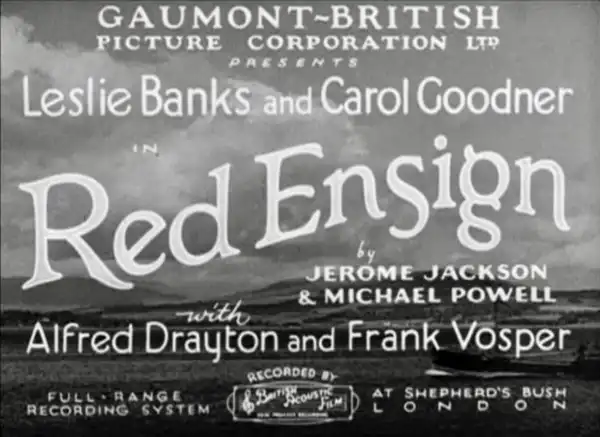
The scenes in the yard itself have this gritty, industrial texture that you just don't see anymore. There’s a lot of metal clanking and people running around with clipboards. It feels authentic, even if the stakes—bankers vs. engineers—are pretty standard for the era.
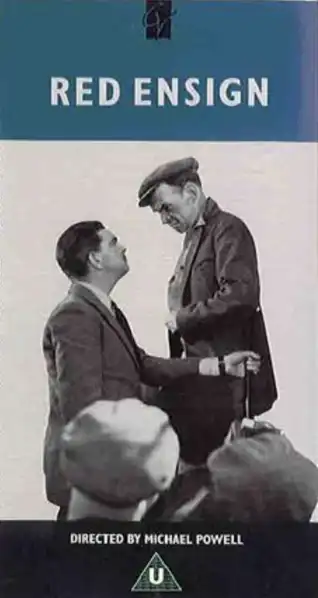
The dialogue is basically just people telling each other what they’re about to do, or what they just finished doing. It’s very practical.
I found myself staring at the background extras more than the leads. There’s one guy in a flat cap who walks across the frame at least four times in the same scene, looking lost. It’s like he forgot his cue and just decided to keep pacing until the director noticed.
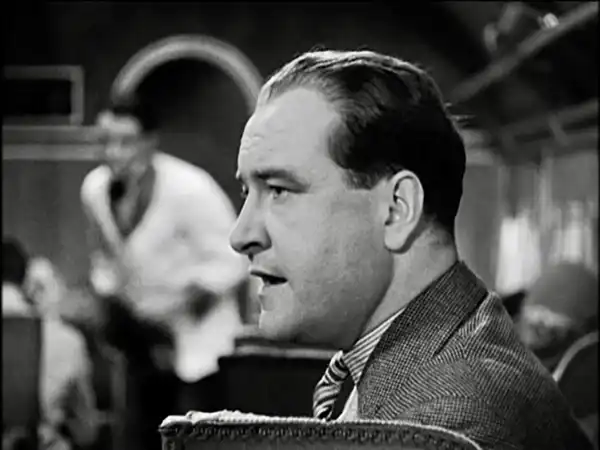
It’s not quite as weird as the pacing in The Fire Cat, but it has that same feeling of a movie made by people who are just making it up as they go along. I’m pretty sure the set was just a bunch of cardboard boxes and hope.
Well, no. Not really. It’s not a masterpiece of cinema. It’s more like a time capsule of people trying to be very serious about shipbuilding during the Great Depression. The villains are comically evil, and the ending is so rushed it practically trips over itself. But I’d take this over some of the polished, soul-less stuff coming out today. At least here you can see the effort, even when it fails.
It’s a bit like watching Third Time Lucky—it’s not going to change your life, but it’s a decent way to kill an hour if you’re into the history of how movies used to get made on a shoestring budget.
IMDb —
1917
Community
Log in to comment.