DbcultAccessing Vault...
6.2/10
Senior Film Conservator
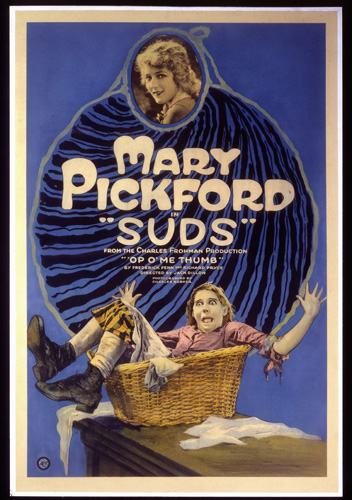
A definitive 6.2/10 rating for a film that redefined the boundaries of cult cinema. Suds remains a cornerstone of transgressive art.
Emerging from the bustling, often unforgiving landscape of early 20th-century London, 1920’s Suds presents a captivating, albeit melancholic, tableau of societal aspiration and the intoxicating allure of a life beyond one's birthright. This silent-era gem, directed by Jack Dillon and penned by the collaborative talents of Waldemar Young, Richard Bryce, and Frederick Fenn, offers a profound exploration of human desire, expertly brought to life by the incandescent Mary Pickford. Pickford, affectionately known as 'America's Sweetheart,' transcends the limitations of the silent medium, imbuing her character, Amanda, a lowly laundress, with a vibrant inner world that resonates with both comedic charm and profound pathos. The film, adapted from the 1913 play 'Op O' My Thumb' by Fenn, meticulously crafts a narrative around the universal yearning for something more, even if that 'more' is built upon the fragile foundations of fantasy.
Amanda's existence is one of relentless toil, her days defined by the rhythmic churn of washing machines and the pervasive scent of soap and damp linen. She inhabits a world where the stark realities of poverty are a constant companion, yet her spirit remains remarkably unyielding. It is this indomitable, almost childlike, optimism that makes her subsequent misadventures so compelling. Her ambition isn't rooted in malice or greed, but rather a romanticized vision of elegance and ease, a stark contrast to the grueling physical labor that defines her waking hours. Pickford’s portrayal is a masterclass in physical comedy and nuanced emotional expression, effortlessly shifting from the buoyant daydreams of a girl yearning for grandeur to the crushing weight of disillusionment. Her Amanda isn't merely a caricature of the downtrodden; she is a fully realized individual, whose longing for a better life feels deeply authentic, making her journey both relatable and heartbreaking.
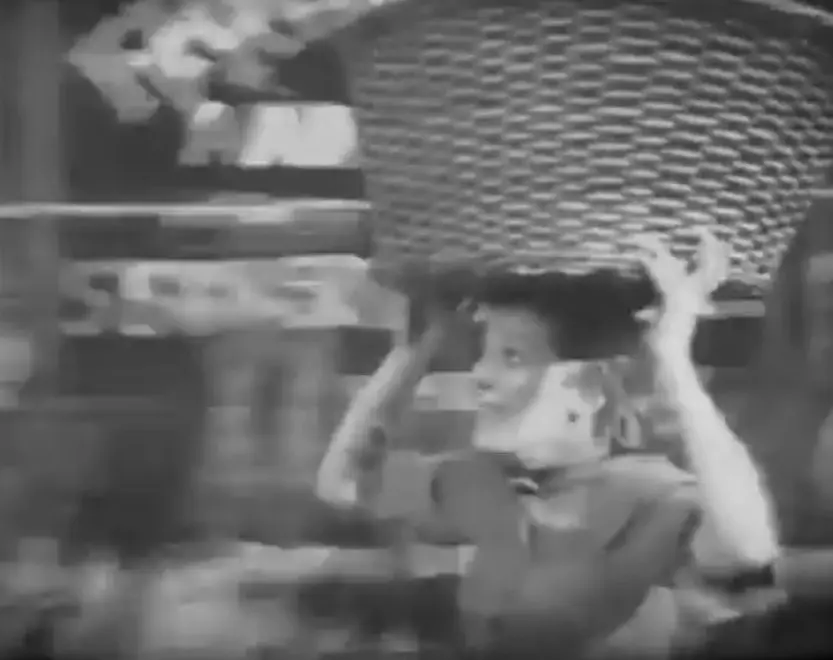
The central conceit of Suds hinges on Amanda’s elaborate fabrication of a genteel past, complete with an imagined aristocratic suitor, a narrative she spins to impress a wealthy young man, Horace Greensmith (played by Darwin Karr), who frequently visits the laundry. This pursuit of a superficial, high-society romance forms the emotional core of the film, highlighting the era's rigid class distinctions and the immense pressure to ascend the social ladder. Pickford's ability to convey both the innocent sincerity of Amanda's desires and the inherent tragedy of her self-deception is truly remarkable. She doesn't just act the part; she embodies the very essence of a dreamer caught between two worlds—the harsh reality of her present and the shimmering mirage of her desired future. This dynamic performance elevates Suds beyond a simple romantic comedy, transforming it into a poignant commentary on identity, self-worth, and the often-elusive nature of happiness.
The irony, of course, lies in Amanda's blindness to the genuine affection offered by one of her own class, a man whose quiet devotion stands in stark contrast to the superficial charm of Greensmith. This narrative thread, woven with delicate precision, underscores the film’s underlying message about discerning true value. It’s a theme that resonates across time, reminding us that authentic connection often lies not in grandeur or status, but in shared understanding and unpretentious kindness. The screenplay, while rooted in theatrical origins, translates beautifully to the silent screen, leveraging visual storytelling to convey complex emotions without a single spoken word. The writers — Waldemar Young, Richard Bryce, and Frederick Fenn — masterfully adapt the stage play's nuanced characterizations and situational humor into a cinematic language that speaks volumes through gesture, expression, and meticulously crafted intertitles.
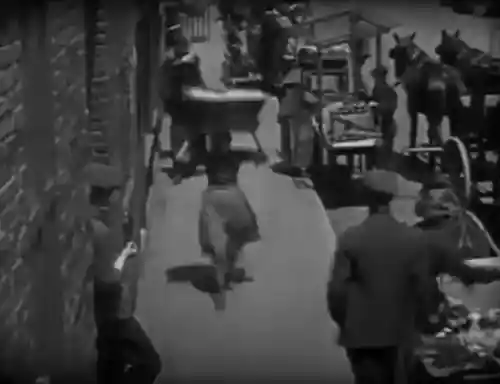
Perhaps one of the most memorable and endearing elements of Suds is the inclusion of Lavender the Horse. This equine performer is far more than mere set dressing; Lavender becomes a silent confidante, a loyal companion, and a symbol of unwavering loyalty in Amanda's tumultuous world. The scenes between Pickford and Lavender are imbued with a tender, unspoken understanding, offering moments of genuine warmth and humor that cut through the film's more dramatic undertones. Lavender's presence serves as a gentle reminder of the simpler, more honest connections Amanda possesses, often overlooked in her desperate pursuit of an idealized romance. It's a testament to the film's subtle storytelling that an animal can play such a pivotal role in shaping the emotional landscape of the narrative, providing a grounding force amidst Amanda’s flights of fancy. The chemistry between Pickford and Lavender is palpable, adding an unexpected layer of charm and humanity to the film.
The supporting cast, including Theodore Roberts and Taylor N. Duncan, provides a solid framework for Pickford's star turn. Theodore Roberts, as the gruff but ultimately kind-hearted laundry owner, adds a layer of paternal concern, his expressions conveying a silent understanding of Amanda’s struggles and dreams. Hal Wilson and Harold Goodwin, among others, contribute to the vibrant tapestry of the laundress's world, their brief appearances painting a picture of the communal, albeit challenging, existence of the working class. Even Joan Marsh and Rose Dione, in smaller roles, help to flesh out the bustling environment, each face telling a story within the broader narrative. The ensemble, under Dillon's direction, works cohesively to create a believable and immersive setting, enhancing the film’s emotional impact.
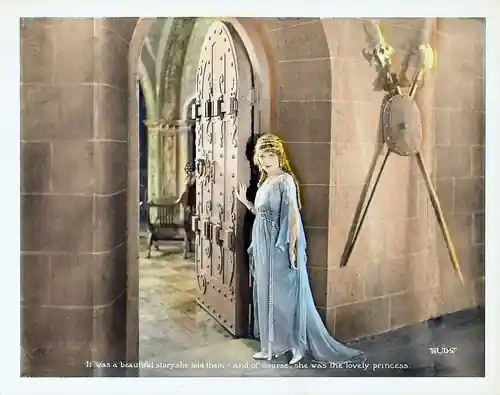
As Amanda’s charade begins to unravel, the film shifts from a whimsical romantic comedy to a more poignant drama, exploring the consequences of living a lie. The inevitable clash between fantasy and reality is handled with a delicate touch, avoiding overt melodrama in favor of a more introspective portrayal of disappointment and self-realization. This transition is where Pickford's dramatic prowess truly shines, her face a canvas of shifting emotions, from hopeful anticipation to heartbreaking despair. The film, in its quiet contemplation of Amanda's choices, offers a subtle critique of societal structures that compel individuals to seek validation through artificial means, rather than celebrating intrinsic worth. It invites the audience to reflect on their own aspirations and the often-illusory nature of external markers of success.
In comparison to other films of its era, Suds stands out for its blend of lightheartedness and underlying social commentary. While films like A Fool's Paradise might delve into themes of mistaken identity and romantic complications, Suds distinguishes itself by anchoring its narrative firmly in the realities of class struggle and the personal cost of social ambition. Similarly, while An Innocent Magdalene might explore moral dilemmas and redemption within challenging social contexts, Suds focuses more acutely on the psychological journey of a character attempting to transcend her circumstances through pure imaginative force. The film avoids becoming preachy, instead allowing Amanda's experiences to speak for themselves, creating a narrative that feels both universal and deeply personal. It’s a testament to the timeless appeal of stories about overcoming adversity and finding one’s true path, even if that path leads back to where one began.
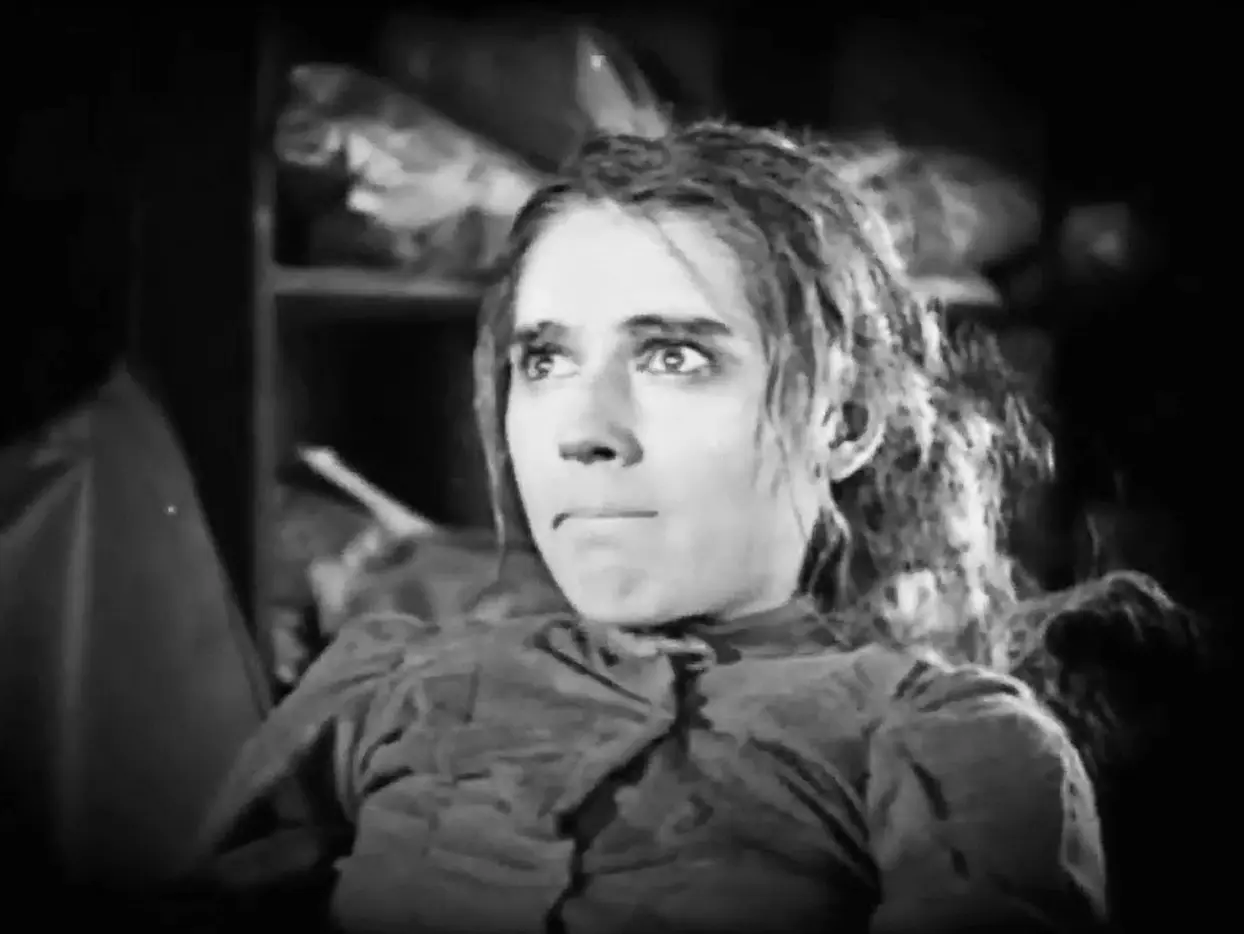
The visual language of Suds is characteristic of early silent cinema, relying on expressive gestures, exaggerated reactions, and carefully composed shots to convey meaning. Director Jack Dillon makes effective use of the limited technology, employing close-ups to emphasize Pickford's nuanced facial expressions and wider shots to establish the bustling, often chaotic, environment of the laundry. The film's pacing, while perhaps slower by modern standards, allows ample time for character development and the gradual unfolding of the plot, drawing the viewer into Amanda's world. The black and white cinematography, with its stark contrasts, beautifully captures the grittiness of her daily life and the luminous quality of her dreams, creating a visual poetry that enhances the narrative's emotional depth.
Ultimately, Suds is a film that lingers in the mind long after the final reel. It's not merely a historical artifact but a vibrant piece of cinematic art that continues to speak to contemporary audiences about the universal human condition. Mary Pickford's performance is, without hyperbole, iconic, solidifying her status as a pioneering actress who understood the power of the camera to capture the subtlest nuances of emotion. Her Amanda is a character imbued with such genuine spirit that her triumphs and tribulations feel deeply personal, drawing the audience into her struggles with unwavering empathy. The film's resolution, while tinged with a bittersweet acceptance, doesn't diminish Amanda’s resilience, but rather reframes her understanding of where true happiness resides. It's a subtle victory, a recognition that sometimes, the most profound love and contentment are found not in what we aspire to be, but in who we authentically are and the genuine connections we foster.
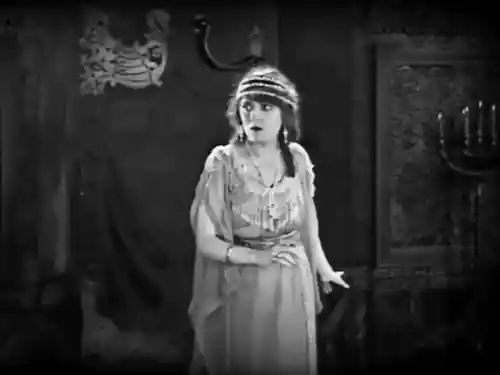
The narrative’s lasting impact lies in its gentle reminder that the pursuit of external validation can often obscure the intrinsic value of one's own life and the sincere affections of those who truly care. It's a timeless lesson, delivered with a captivating blend of humor and heartfelt emotion, making Suds a truly remarkable entry in the annals of silent cinema. The film serves as a testament to the collaborative genius of its writers and director, and above all, to the unparalleled talent of Mary Pickford, who, even without a single spoken word, managed to articulate the deepest longings of the human heart. It’s a film that encourages introspection, urging us to look beyond superficial appearances and embrace the often-unadorned beauty of authentic human connection. A true classic, it continues to captivate and enlighten, proving that some stories, much like fine wine, only improve with the passage of time.
The film's exploration of class structure and the illusion of social mobility remains particularly pertinent. While Amanda's story is set in a specific historical context, the yearning to transcend one's circumstances, to be seen and valued beyond one's economic standing, is a universal human experience. Suds masterfully navigates this complex terrain, presenting a protagonist who, despite her misguided efforts, retains a core of innocence and hope. Her journey is not one of complete failure, but rather a re-education, a recalibration of her values. This nuanced character arc, coupled with the film's charming performances and evocative visuals, cements Suds as an essential viewing for anyone interested in the foundational works of cinematic storytelling and the enduring power of the human spirit. It is a film that, like the delicate garments Amanda so carefully launders, reveals its true beauty upon closer inspection, each thread of its narrative contributing to a rich and meaningful tapestry.
IMDb 7.1
1926
Community
Log in to comment.