DbcultAccessing Vault...
5.6/10
Senior Film Conservator
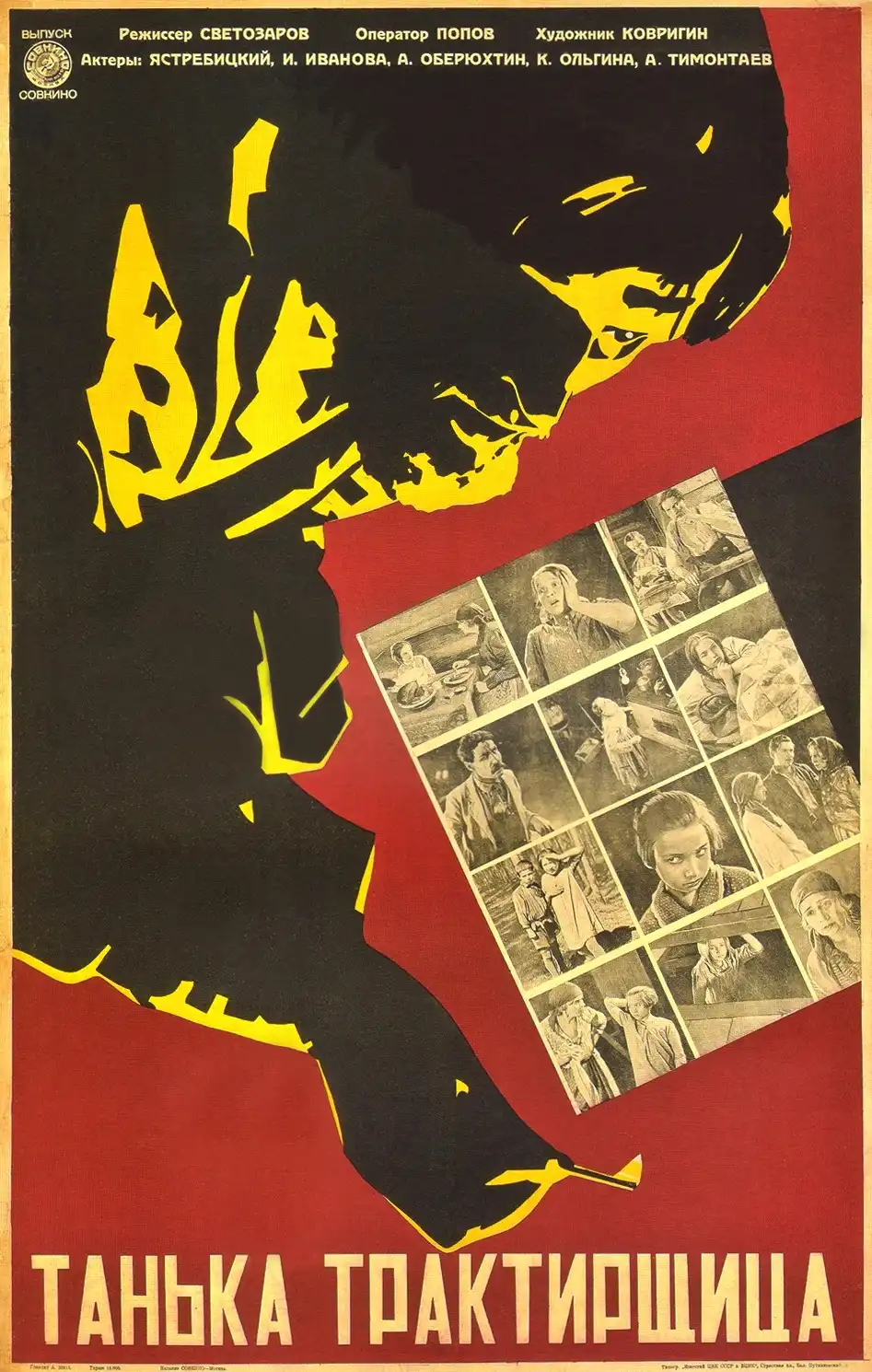
A definitive 5.6/10 rating for a film that redefined the boundaries of cult cinema. Tanka-traktirshchitsa remains a cornerstone of transgressive art.
Okay, so Tanka-traktirshchitsa. This one is definitely for the silent film buffs, the folks who don’t mind a slower pace. If you’re looking for snappy dialogue or a modern, action-packed thrill ride, you’ll probably find yourself clock-watching. But if you appreciate the raw, expressive power of early cinema, where every glance means something, then yeah, you should absolutely give it a look.
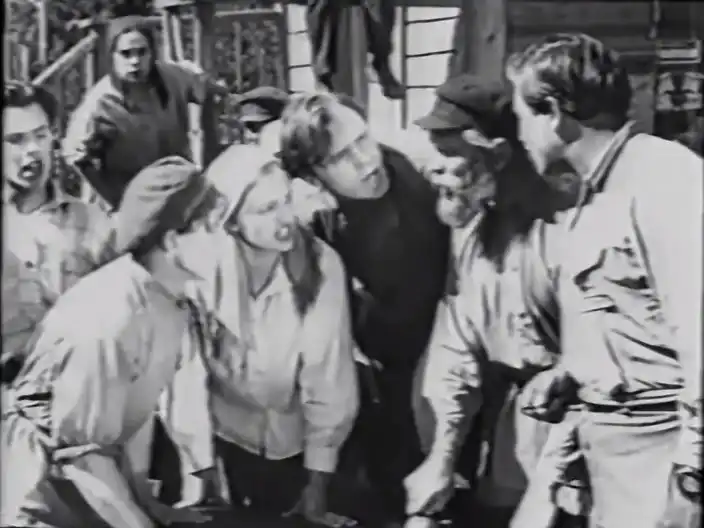
The movie follows Tanka, a waitress, in what feels like a perpetually busy, kinda grimy tavern. Right away, the atmosphere just hits you. There’s this constant hum of unseen activity. Plates clanking, muffled arguments. It’s all a bit much.
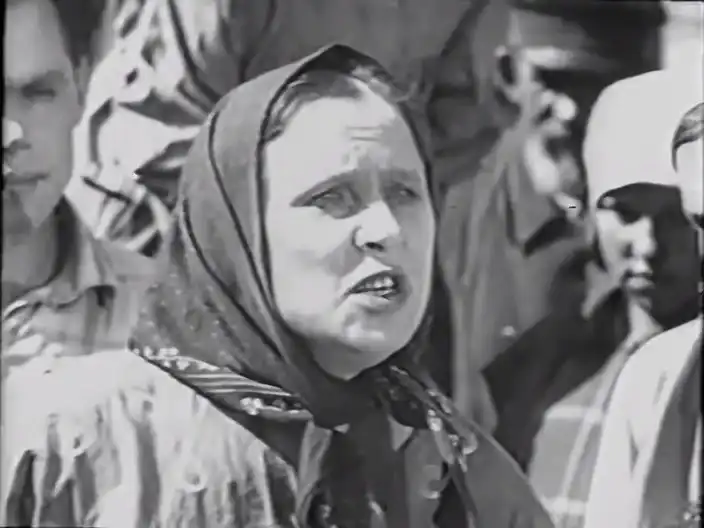
Maria Ouspenskaya, as Tanka, carries so much on her face. Even in the grainy black and white, her eyes just scream exhaustion. There’s a scene where she’s just cleaning a table. It feels like the weight of the whole world is pressing down on her. You really feel it.
Then there’s Kuzma Yastrebitsky. He plays a character who just looms. Seriously. He has this one shot, watching Tanka from across the crowded room, leaning against a doorframe. It lingers. For a while. You start to wonder if the editor just forgot to cut away. But it builds this weird, quiet tension. Like he's a shadow always nearby.
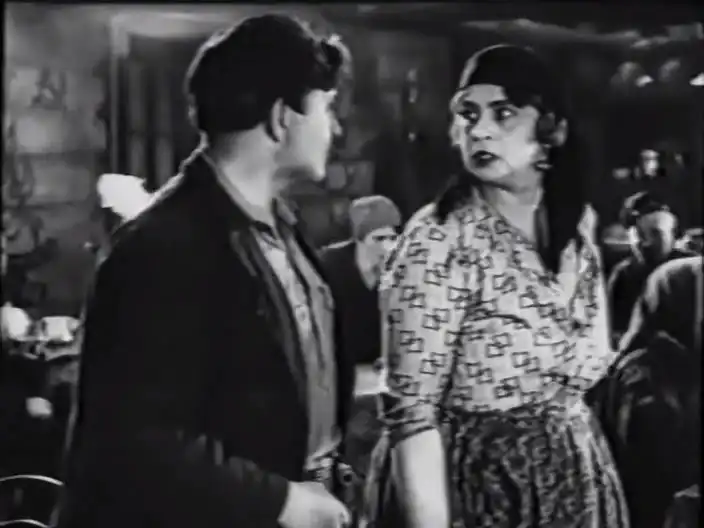
The tavern itself is almost a character. Those interior shots, often dimly lit, make everything feel a bit desperate. Shadows always seem to be stretching, getting longer. I remember a customer dropping a glass. The smash you imagine is so sharp, it makes you jump.
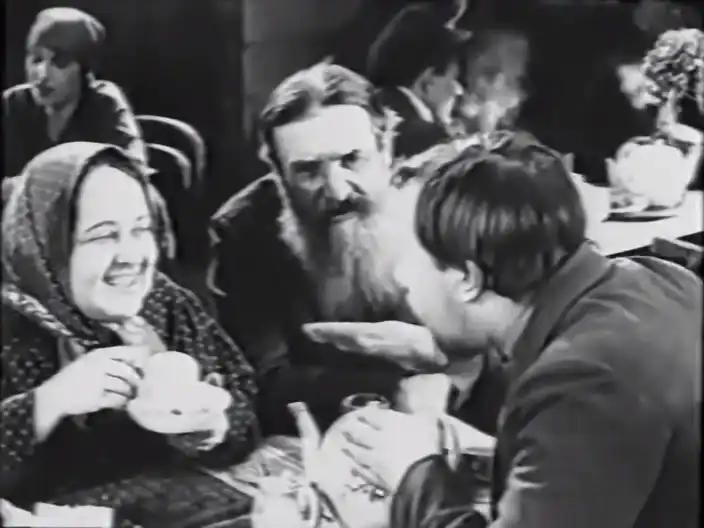
Aleksey Muravin shows up as some kind of official type. He struts, you know? Like he owns the air around him. There’s this moment he tries to flirt with Tanka. She just stares straight through him. Her expression is gold there. A perfect mix of polite disdain and just pure tiredness. You almost want to clap for her. 👏
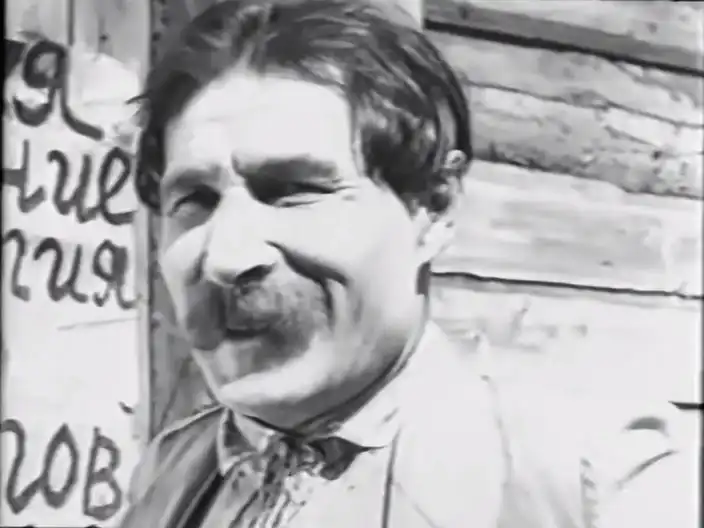
I found myself catching these tiny details. Like the extras in the background. Sometimes a bit stiff, sometimes surprisingly real. One older gentleman just kept wiping his mustache. Over and over. It was a strange little thing to notice, but it stuck with me.
The story, based on the intertitles, isn’t super complex. Tanka works, deals with tough customers, faces difficult men. She probably dreams of a different life. It's not reinventing any wheels. But the vibe of it, the feeling of that specific place and time, that’s where it shines. The sheer resilience.
There's a particular sequence, maybe halfway through. Tanka is walking home through snowy streets. The wind really whips around her. It’s a beautiful shot. And it goes on for quite some time. You can practically feel the cold, right through the screen. It's not a major plot point, just a visual punch.
And the ending isn't all tied up neatly with a bow, which I actually appreciate. It just... leaves you hanging. Does she get out? Find happiness? It's ambiguous. A bit like how things really are, sometimes.
So, yeah, it’s a cool window into a forgotten world. Not perfect, not always gripping, but it has these flashes. Especially if you’re into the raw, quiet power that early films sometimes pull off.
IMDb —
1921
Community
Log in to comment.