DbcultAccessing Vault...
6.3/10
Senior Film Conservator
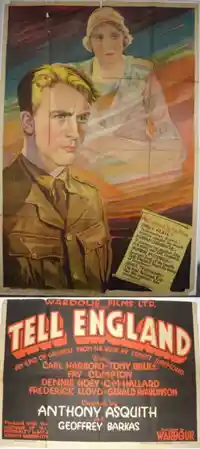
A definitive 6.3/10 rating for a film that redefined the boundaries of cult cinema. The Battle of Gallipoli remains a cornerstone of transgressive art.
So, 'The Battle of Gallipoli.' Is it worth digging up today? Probably yes, if you're into those really old war films, the kind that feel less like a spectacle and more like a quiet, heavy reflection. If you're expecting big explosions and modern fast cuts, you'll probably hate it. But for anyone who appreciates a bit of history through a specific, very early lens, it’s got something.
The story follows two pals who sign up for the British army, heading straight into the infamous Gallipoli campaign. It’s that familiar setup, two young men, full of… well, something, thinking they're doing the right thing.
What struck me first was the pacing. It’s slow. Not in a bad way, not exactly. More like, the film just sort of unfurls, taking its sweet time showing you things. There’s a lot of walking, a lot of waiting. It makes sense for the period, I guess, but you really feel every minute.
You see these fresh recruits, like Frederick Lloyd’s character, all eager. Then the mud. Oh, the mud. You can almost smell the damp earth coming off the screen, even through the old film stock. 🌧️
The scenes in the trenches are particularly stark. There isn’t much dialogue sometimes, just faces. You get these long, long shots of guys just… existing. Waiting for something to happen, or not happen. One shot of Sam Wilkinson’s character, just staring out, stuck with me. You could see the hope draining out.
There are these small details, too. Like the way they handle their rifles, not like props, but like they’re extensions of themselves. Heavy, unwieldy things. It feels very real, very grounded.
The action, when it comes, is less about flashy heroics and more about chaotic, desperate moments. It’s not a clean fight. It’s messy and confused. The sound design, simple as it is, really makes those distant artillery thuds feel ominous.
I found myself watching the background characters a lot. The extras, you know? They’re not just scenery. They look tired, dirty. It’s not glamorous at all. 😞
One scene, where they’re trying to move some supplies under fire, it goes on for what feels like ages. It’s genuinely tense. You can feel the effort, the fear. It’s not just a quick montage, it's a grind.
And the officers, like Dennis Hoey’s portrayal, they feel a bit detached sometimes. Like they're in a different war, even though they're right there. That disconnect, it’s palpable. You see the stress lines on their faces, too.
The film doesn’t try to tell you how to feel. It just lays out what happened. And that’s its strength, I think. It trusts you to pick up on the quiet despair, the sheer exhaustion. There’s no big, swelling score to manipulate your emotions.
I remember one moment, a guy just drops his tin cup. The clatter, it's so loud in the silence. It’s just a little thing, but it feels significant. Like a tiny piece of normalcy shattering.
It’s not perfect, mind you. Some of the early scenes, before they get to the front, feel a little… well, *staged* in a way that feels dated now. A bit stiff. But once the mud hits, it settles into its rhythm.
If you're looking for a definitive historical account, maybe read a book. But if you want a glimpse into the feeling of that particular campaign, through the eyes of cinema from that era, it’s worth a watch. Just be ready for a different kind of war film. One that sits with you. It’s quite haunting, actually. 👻
IMDb 6.3
1931
Community
Log in to comment.