DbcultAccessing Vault...
Cult Review
Senior Film Conservator
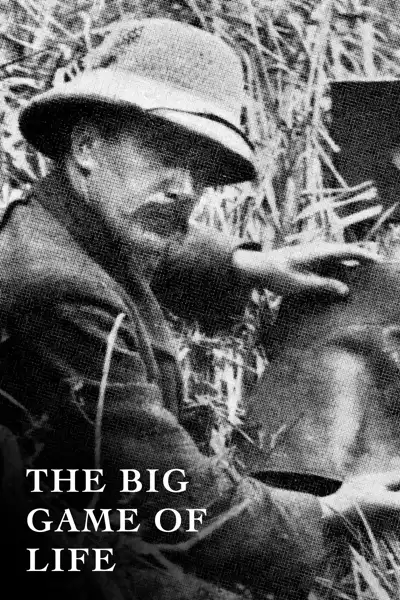
If you are a history nerd or you just like seeing how people used to travel before planes were a normal thing, then yes. You should definitely give it a look.
But if you need high-speed cameras and 4K resolution like the stuff on Netflix, you will probably hate this within five minutes. It is old, it is silent, and it is very shaky.
The Big Game of Life is basically a giant scrapbook of Cherry Kearton’s life. He spent thirty years doing this.
That is a long time to be carrying heavy wooden cameras through jungles. I can barely carry my groceries up the stairs without getting winded.
The whole point of the movie is that he stopped hunting animals with guns and started "hunting" them with a lens. It sounds a bit cheesy now, but back then, it was a pretty big deal.
Most people just wanted to shoot things and put their heads on a wall. Kearton wanted to film them instead.
The footage from Africa is the stuff that sticks with me the most. There is a shot of a rhino that feels uncomfortably close.
You can tell the camera is on a tripod that is probably sinking into the mud. The image wobbles just a little bit, and you realize there is no zoom lens here.
He is just standing there. If that rhino decided to charge, Kearton would have been a pancake.
There is no safety crew. No backup. Just a guy and a crank-handle camera.
The Borneo segments feel like a completely different movie. The light is different, all filtered through thick trees and leaves.
It is much darker and harder to see what is happening. Sometimes you are just staring at a bush for ten seconds waiting for a monkey to move.
It reminded me a bit of the outdoor vibes in Nordenfor polarcirkelen. Both films have this raw, "we are actually here" feeling that you don't get in studio movies like The Office Wife.
The pacing is... well, it is not great. It feels like someone showing you their vacation slides and they forgot to edit out the boring parts.
One minute you are in India looking at tigers, and the next you are in Canada. It jumps around a lot without much warning.
But that is part of the charm, I guess. It feels like a real person made it, not a committee of producers.
I noticed that the animals in 1926 look different at the camera than they do today. They seem more confused by it.
Nowadays, animals in parks are used to tourists. In this film, they look at the camera like it is a strange, clicking monster from another planet.
There is a sequence with some lions that is actually quite tense. They aren't doing anything "cinematic," they are just breathing and watching.
The silence makes it better. You have to imagine the sound of the wind or the insects buzzing around Kearton's ears.
The film quality is pretty rough in spots. There are scratches and weird black dots that dance all over the screen.
Sometimes the screen goes almost completely white for a second. I think the film might have been damaged by the heat in some of those tropical places.
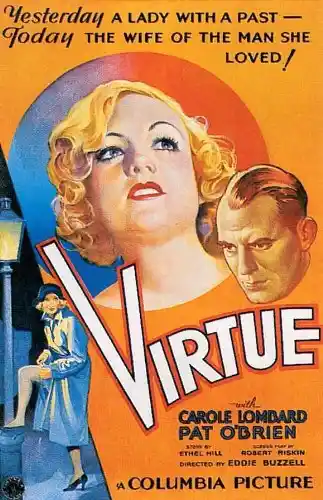
It doesn't have the polished look of something like Beyond the Rocks. It is much more honest than that.
I found myself wondering what Kearton was eating while he was out there. He looks so thin in the few shots where he actually appears on screen.
He is usually wearing those tall boots and a hat that looks way too big for his head. He looks like a guy who hasn't had a proper bed in three months.
There is a bit in America, too. Seeing the "wild" parts of the US from a hundred years ago is trippy.
Everything looks so much more empty. No power lines, no roads, just trees and dirt.
I do wish there was more of a story to it, though. It really is just a collection of moments.
It starts to feel a bit repetitive after the fortieth animal. Oh look, another bird. Oh, another deer.
But then something cool happens, like a snake fighting something in the grass. Then you are awake again.
It is definitely a "phone away" kind of movie. If you look at your phone for two minutes, you will miss the best shot in the whole film.
I think my favorite part was actually the Borneo stuff. The orangutans have these faces that look so human it’s almost creepy.
One of them stares right into the lens for a long time. It feels like it is judging Kearton for being there.
It is a far cry from the stylized acting you see in The Female. Real life is just weirder.
The titles between the scenes are a bit dramatic. They use words like "savage" and "mysterious" a lot.
You have to remember the time it was made, I suppose. People had a very different view of the world back then.
The movie is a bit of a marathon. I had to take a break in the middle to make some coffee.
But when it ended, I felt like I had actually traveled somewhere. Not a fake movie version of a place, but the real thing.
It’s a dusty, flickering window into a world that’s mostly gone now. And that is pretty cool, even if the editing is a mess.
Don't expect a masterpiece. Just expect a guy who really, really liked animals and had a lot of patience.
IMDb 6.1
1935
Community
Log in to comment.