DbcultAccessing Vault...
6.6/10
Senior Film Conservator
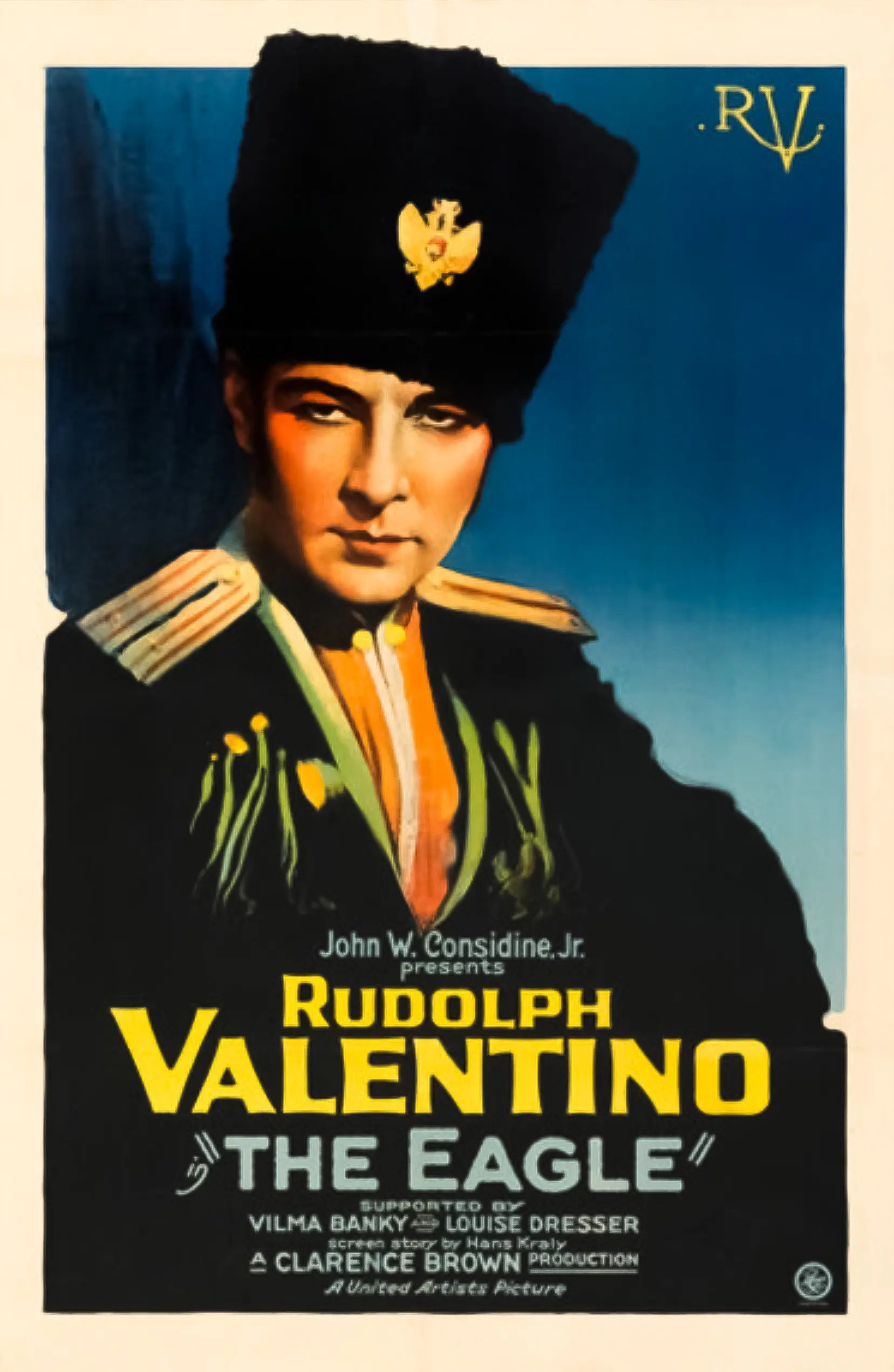
A definitive 6.6/10 rating for a film that redefined the boundaries of cult cinema. The Eagle remains a cornerstone of transgressive art.
Step into the lavish, yet turbulent, world of Imperial Russia, a realm where honor clashes with injustice, and love dares to bloom amidst the thorns of vengeance. Clarence Brown’s 1925 silent epic, The Eagle, remains a captivating testament to Rudolph Valentino’s unparalleled magnetism and the enduring power of cinematic storytelling. This isn’t merely a film; it’s a swirling tapestry of passion, betrayal, and a desperate quest for redemption, all painted with the broad, expressive strokes only the silent era could truly master. Based loosely on Aleksandr Pushkin’s unfinished novel Dubrovsky, and penned for the screen by George Marion Jr. and Hanns Kräly, the narrative unfurls with a compelling urgency that belies its nearly century-old vintage. It invites us to consider the very fabric of justice and the lengths to which a man, stripped of everything, might go to reclaim his dignity, even if it means sacrificing his heart in the process.
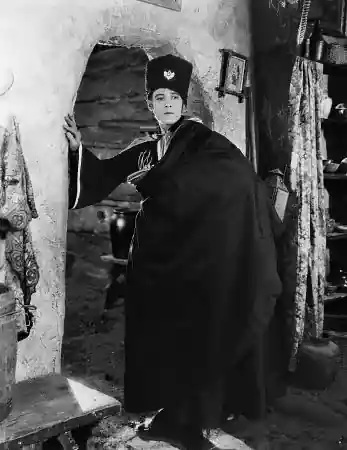
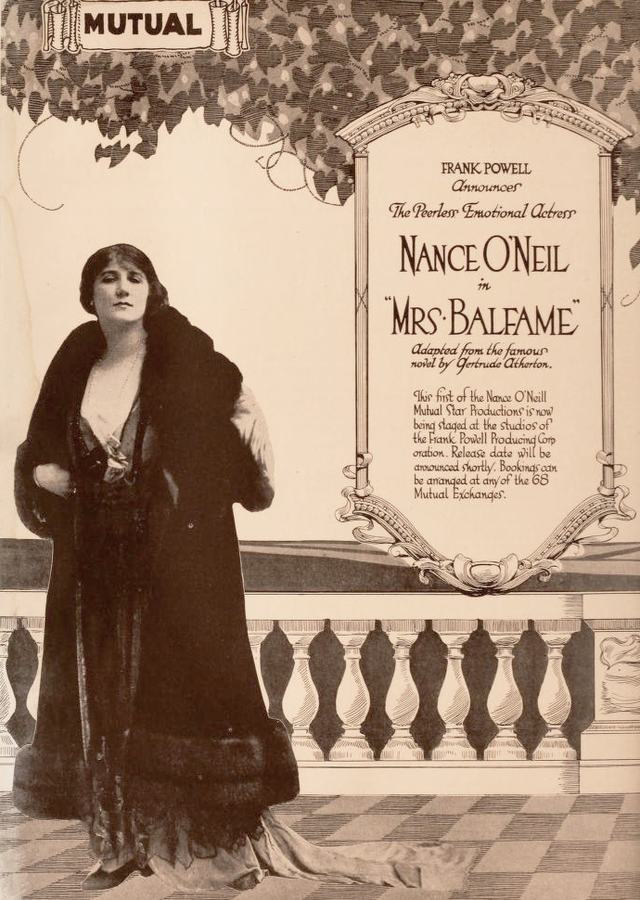
The film introduces us to Lieutenant Vladimir Dubrovsky, portrayed with exquisite intensity by Valentino, a man of noble birth whose family has been cruelly dispossessed of their ancestral lands by the grasping Kirila Troekouroff (Gustav von Seyffertitz). This act of avarice, a common plight in the stratified society of the time, ignites a simmering fury within Vladimir. His initial attempts to seek redress through legal channels are met with the cold indifference of a corrupt system, leaving him with no recourse but to embrace a clandestine existence. He becomes a fugitive, a man outside the law, driven by a singular, burning desire for retribution. It’s a transformation that speaks volumes about the societal pressures of the period, echoing themes found in other narratives of social injustice and personal honor, perhaps even resonating with the stark realities depicted in films like The Betrothed, where individual fates are often dictated by the whims of powerful figures and the rigid structures of class.
Vladimir’s metamorphosis into the enigmatic 'Black Eagle' is a masterclass in silent film character development. He isn't merely a masked avenger; he's a symbol of defiance against an oppressive regime, a phantom of justice haunting the very corridors of power that wronged him. His exploits, initially driven by a personal vendetta, quickly escalate into a broader crusade, as he becomes a champion for the downtrodden, stealing from the rich to aid the poor – a familiar archetype, yet rendered fresh by Valentino’s nuanced performance. This duality, the honorable lieutenant forced into banditry, creates a fascinating internal conflict. He is a man caught between his inherent nobility and the brutal necessities of his chosen path, a struggle beautifully conveyed through Valentino's expressive eyes and gestures, which were his primary tools in an era before spoken dialogue. The film doesn't shy away from the moral ambiguities of his actions, presenting a protagonist whose methods, while understandable, are not without their own dark implications.
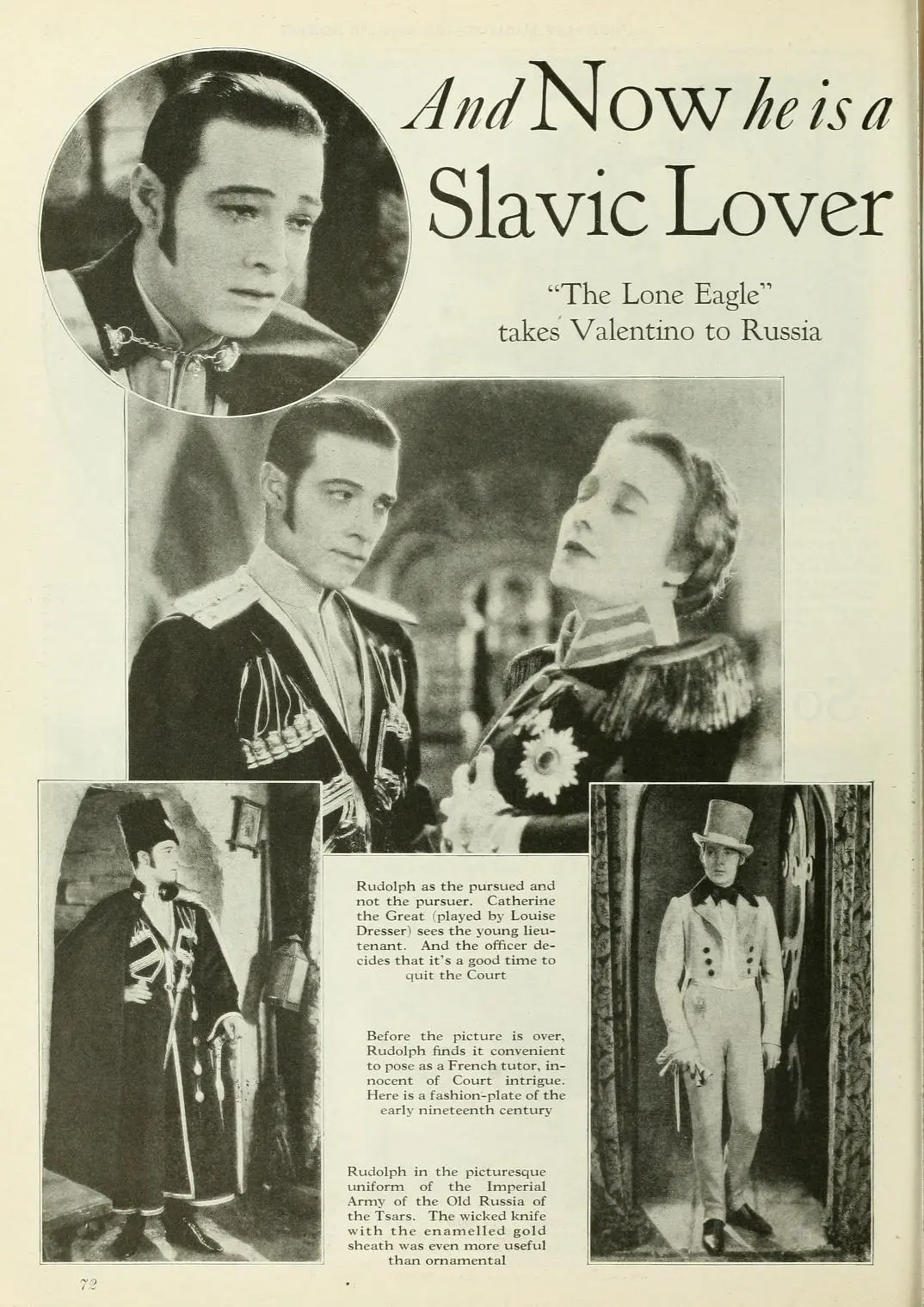
The narrative truly ignites, however, with the introduction of Mascha, Kirila’s charming and spirited daughter, brought to life with captivating grace by Vilma Bánky. Their initial encounters are steeped in accidental proximity and growing curiosity. Vladimir, in his disguise, finds himself drawn to her innocence and fiery spirit, a stark contrast to the hardened resolve he has cultivated. The irony is palpable: the object of his vengeance has a daughter who unknowingly steals his heart. This forbidden attraction forms the emotional core of The Eagle, elevating it beyond a simple tale of revenge into a profound exploration of love's ability to transcend societal barriers and personal animosities. Their romance is a delicate dance, fraught with peril and unspoken truths, reminiscent of the emotional complexities explored in films like Eyes of Youth, where young hearts navigate the treacherous waters of societal expectations and personal desire.
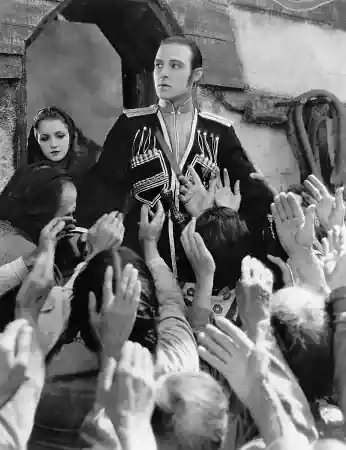
Vilma Bánky, as Mascha, is nothing short of luminous. She imbues her character with a blend of vulnerability and inner strength, making her a compelling counterpart to Valentino’s brooding hero. Her eyes convey a world of emotion – confusion, longing, burgeoning love – all without a single spoken word. Mascha is not merely a damsel in distress; she is an active participant in her own fate, challenging Vladimir’s preconceived notions and forcing him to confront the moral implications of his actions. Their chemistry is electric, a testament to the power of silent film acting where every glance, every touch, every subtle shift in posture carries immense weight. The scenes between them are imbued with a tender urgency, a sense of stolen moments and burgeoning intimacy that feels both epic and deeply personal. It's a love story that truly tests the boundaries of loyalty and self-interest, forcing Vladimir to choose between the path of vengeance and the promise of a future with Mascha.
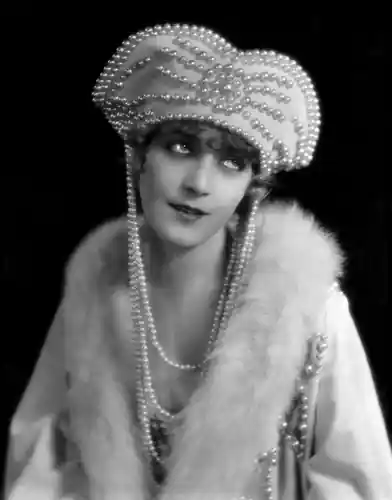
Gustav von Seyffertitz delivers a chilling performance as Kirila Troekouroff, the embodiment of aristocratic arrogance and greed. His portrayal is not a cartoonish villainy, but rather a nuanced depiction of a man corrupted by power and privilege, utterly convinced of his own righteousness. He represents the very system Vladimir is fighting against, making their conflict not just personal, but symbolic of a larger struggle between the oppressed and their oppressors. The supporting cast, including George Nichols, Jean De Briac, and a young Gary Cooper in an uncredited role, contribute to the rich tapestry of the Russian court and countryside, adding depth and authenticity to the world of The Eagle. Louise Dresser, as the Czarina, provides a formidable presence, her scenes adding a layer of imperial intrigue and political maneuvering that further complicates Vladimir's precarious situation.
Clarence Brown’s direction is nothing short of masterful. He orchestrates grand crowd scenes with meticulous precision, yet never loses sight of the intimate emotional beats that drive the story. The pacing is expertly controlled, building suspense and tension through carefully constructed sequences, often utilizing striking visual metaphors. The cinematography, particularly the use of light and shadow, is exquisite, painting a vivid picture of both the opulent court and the harsh wilderness where Vladimir operates. The visual storytelling is so potent that it transcends the lack of dialogue, drawing the audience deep into the characters' emotional landscapes. Brown’s ability to balance sweeping historical drama with intense personal stakes is a hallmark of his craft, making The Eagle a benchmark for silent film artistry. One can see echoes of this robust visual narrative in other action-oriented silent features of the era, where the camera became a storyteller in its own right, much like in The West~Bound Limited, though with a grander, more romantic scope here.
Thematic richness abounds in The Eagle. It delves into the thorny question of whether true justice can ever be achieved through personal revenge. Vladimir's journey forces him to grapple with this dilemma, as his initial bloodlust slowly gives way to a more complex understanding of morality, influenced by his love for Mascha. The film also explores the rigid class structures of tsarist Russia, where birthright and wealth often trumped merit and honor. Vladimir's fall from grace and subsequent rise as the 'Black Eagle' is a direct indictment of this system. Furthermore, the theme of identity is central. Vladimir constantly shifts between his aristocratic past, his outlaw present, and the potential future offered by Mascha. This constant negotiation of self, the wearing of masks both literal and metaphorical, adds layers of psychological depth to his character. The film suggests that true identity is not defined by one's status or actions, but by the choices made when confronted with impossible odds.
The costume design, under the meticulous eye of Adrian, is breathtaking, from the resplendent uniforms of the Russian military to the elegant gowns of the court ladies, each detail contributing to the film's immersive historical setting. The sets, too, are grand and evocative, transporting the viewer directly into the heart of Pushkin’s Russia. Every element, from the snow-laden landscapes to the ornate interiors, works in concert to create a believable and visually stunning world. This attention to detail is crucial in silent cinema, where the visual environment often had to convey as much information as dialogue would in a sound film. The sheer scale of production, coupled with the artistic vision, solidifies The Eagle as a monumental achievement of its time, demonstrating the industry's commitment to delivering cinematic spectacle.
The enduring legacy of The Eagle lies not only in its technical brilliance but also in its emotional resonance. It captures Valentino at the zenith of his career, showcasing his remarkable ability to convey intense emotion and romantic longing without uttering a single word. His performance here, as a tortured hero torn between duty and desire, cemented his status as a cinematic icon, the 'Latin Lover' whose appeal transcended cultural boundaries. Even today, nearly a century later, his portrayal of Vladimir Dubrovsky feels remarkably fresh and compelling, a testament to the timeless power of his screen presence. The film’s narrative, with its universal themes of love, revenge, and the search for justice, continues to captivate audiences, proving that great storytelling, regardless of its medium or era, never truly fades. It stands alongside other enduring tales of masked heroes and social rebels, like those hinted at in The Brand of Lopez, but with a distinctly Russian romanticism.
In conclusion, The Eagle is more than just a silent film; it is a profound cinematic experience that transports viewers to a bygone era of grand romance and high drama. It’s a film that demands to be seen not merely as a historical artifact, but as a vibrant, living piece of art that speaks to the human condition with eloquence and passion. The performances, particularly from Valentino and Bánky, are mesmerizing, and Brown’s direction is a masterclass in visual storytelling. It reminds us of the power of cinema to evoke deep emotions and provoke thought, even without the aid of spoken dialogue. This film is a shining example of why the silent era holds such a cherished place in film history, offering a unique blend of spectacle, character, and timeless narrative. It’s a compelling journey that, much like the intricate human relationships explored in Naked Hearts, delves into the depths of passion and societal constraint, leaving an indelible mark on the viewer long after the final frame fades to black. For anyone seeking to understand the allure of silent cinema and the enduring legend of Rudolph Valentino, The Eagle is an essential, unforgettable viewing experience.
IMDb 5.4
1915
Community
Log in to comment.