DbcultAccessing Vault...
6.7/10
Senior Film Conservator
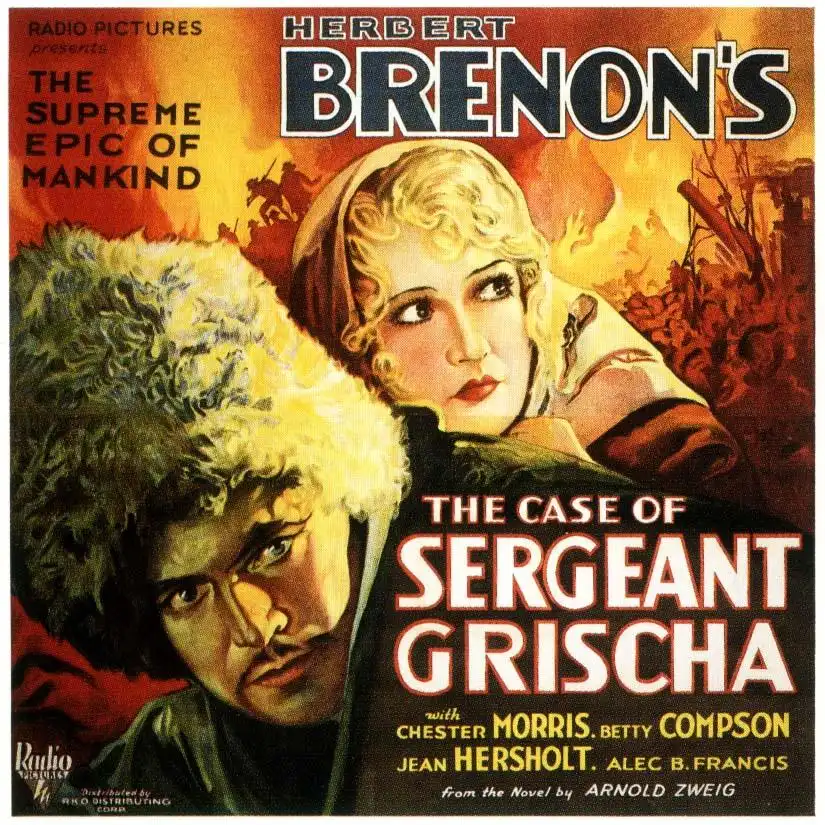
A definitive 6.7/10 rating for a film that redefined the boundaries of cult cinema. The Case of Sergeant Grischa remains a cornerstone of transgressive art.
Right off the bat, let’s be clear: The Case of Sergeant Grischa isn't for everyone today. If you’re into really old, bleak war dramas that move at their own pace, and you appreciate a stark look at injustice, then yeah, give it a shot. But if you're hoping for action or a quick, upbeat story, you'll probably find yourself checking your watch. 🕰️
This film, from way back in 1930, is a heavy one. It follows Gischa Patrotkin, a Russian soldier, who just wants to go home. He breaks out of a German prisoner camp. You really feel that desperation.
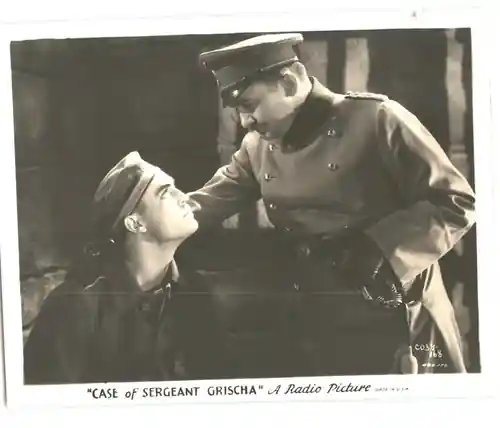
He spends some time hiding with this peasant girl, Babka. These moments are quiet, a little bit of calm before everything goes completely wrong. It’s a temporary peace, almost too good to last.
But his longing for Russia, it's too strong. He makes this decision, a pretty bad one, to take on the identity of a dead Russian spy. You almost want to yell at the screen. Don't do it, Gischa!
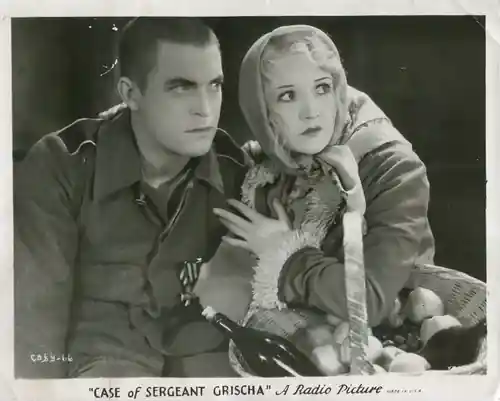
Of course, he gets caught. And this is where the movie really digs in its heels. It stops being about escape and becomes this relentless march through military bureaucracy. The German officers, they don’t seem like cartoon villains. More like people just following the rules, even when the rules are clearly wrong.
Chester Morris as Grischa, he plays it so well. He’s not some grand hero, just a simple man. You see his confusion, his growing dread as the system closes in. His hope drains away, slowly. It’s a subtle performance, no big speeches needed.

The film doesn't rush. It lets you sit with the unfairness of it all. There's a scene where proof of his innocence is just… brushed aside. Like it doesn't matter. The raw paperwork, the *precedent*, that's what counts. Not a human life. It’s infuriating to watch.
You can almost feel the weight of those decisions. The way the German legal machine just grinds forward, regardless of truth. It's less about justice and more about maintaining order, about making an example. Even if that example is completely wrong. 😤
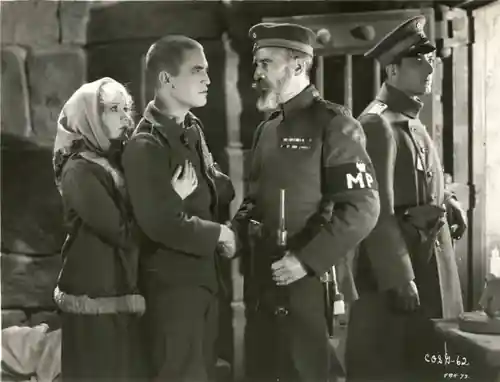
The pacing, for modern eyes, is quite deliberate. It’s an early sound film, so the camera doesn’t zip around. Dialogue can feel a bit formal at times. But it lends to this almost suffocating atmosphere. You're trapped in the story right alongside Grischa.
There are these small moments. A look from one of the officers, a quick glance between soldiers. They suggest a bit more going on under the surface. Maybe some doubt. But never enough to change anything.
Watching The Case of Sergeant Grischa today feels like a punch to the gut. It’s not a fun movie. It's a reminder of how easily a person can be lost in a system that stops seeing individuals. A really powerful, if tough, piece of cinema history. It sticks with you long after the credits roll.
IMDb 6.6
1923
Community
Log in to comment.