DbcultAccessing Vault...
6.9/10
Senior Film Conservator
A definitive 6.9/10 rating for a film that redefined the boundaries of cult cinema. The Climbers remains a cornerstone of transgressive art.
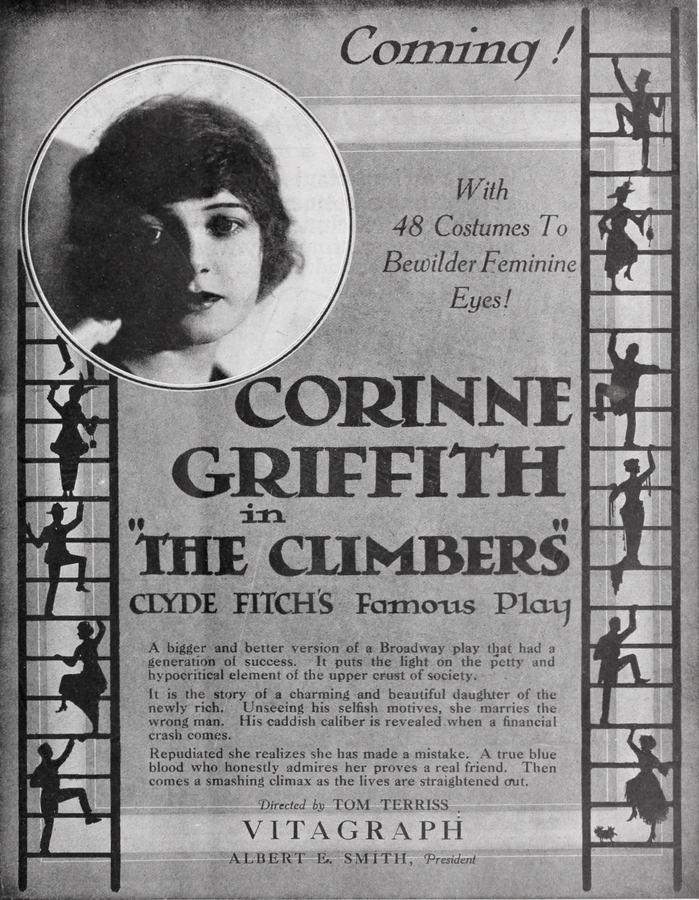
To witness The Climbers (1919) is to observe the slow-motion collapse of a gilded cage. Directed with a keen eye for architectural claustrophobia by Tom Terriss, this adaptation of Clyde Fitch’s stage play remains a startlingly relevant indictment of the speculative fever that periodically grips the American psyche. While many films of the late 1910s were content with simplistic moral binaries, this narrative operates in the murky grey zones of financial desperation and domestic expectation. It stands in stark contrast to the more whimsical explorations of poverty found in contemporary works like From Hand to Mouth, opting instead for a somber, almost forensic look at the decay of the upper-middle class.
James Spottswood portrays George Hunter not as a villain, but as a man pulverized by the weight of his own social aspirations. The film’s opening movements establish a domestic atmosphere thick with the scent of expensive lilies and the unspoken pressure of maintaining appearances. The Hunter women—played with varying degrees of haughty obliviousness and quiet desperation by Jane Jennings, Corinne Griffith, and Corinne Barker—are the engines of George’s ruin. Their need for the latest fashions and the most prestigious box at the opera isn't merely vanity; it is their social survival. This theme of desperate speculation for the sake of status echoes the narrative tensions found in Kærlighedsspekulanten, though Terriss infuses the proceedings with a distinctly American brand of frantic energy.
The stock market crash sequence is handled with a restraint that heightens its impact. There are no histrionics, only the cold reality of numbers that refuse to align. When George’s investments evaporate, the film shifts its visual language. The wide, airy shots of the Hunter estate begin to feel tighter, the shadows longer. This transition into a domestic noir aesthetic prefigures the psychological depth seen in later silent dramas such as Human Desire. The set design itself becomes a character—the heavy velvet curtains and ornate furniture transformed from symbols of success into the heavy burdens of an unpayable debt.
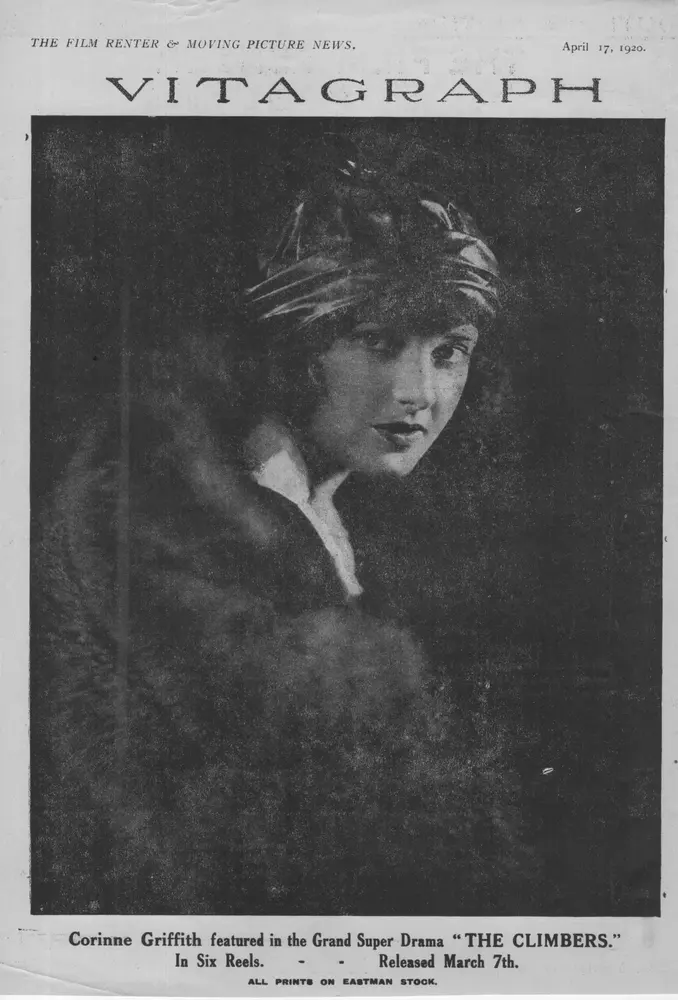
It is impossible to discuss The Climbers without centering on the luminous presence of Corinne Griffith. Often referred to as "The Orchid of the Screen," Griffith possesses a preternatural ability to convey complex internal monologues through the slightest shift in her gaze. In this film, she represents the moral conscience of the Hunter family, caught between her loyalty to her father and her dawning realization of the vacuity of their social circle. Her performance provides a necessary emotional anchor, preventing the film from drifting into a mere polemic against the rich. In scenes where she must navigate the fallout of her father's disgrace, she exhibits a poise that rivals the dramatic weight of His Brother's Wife.
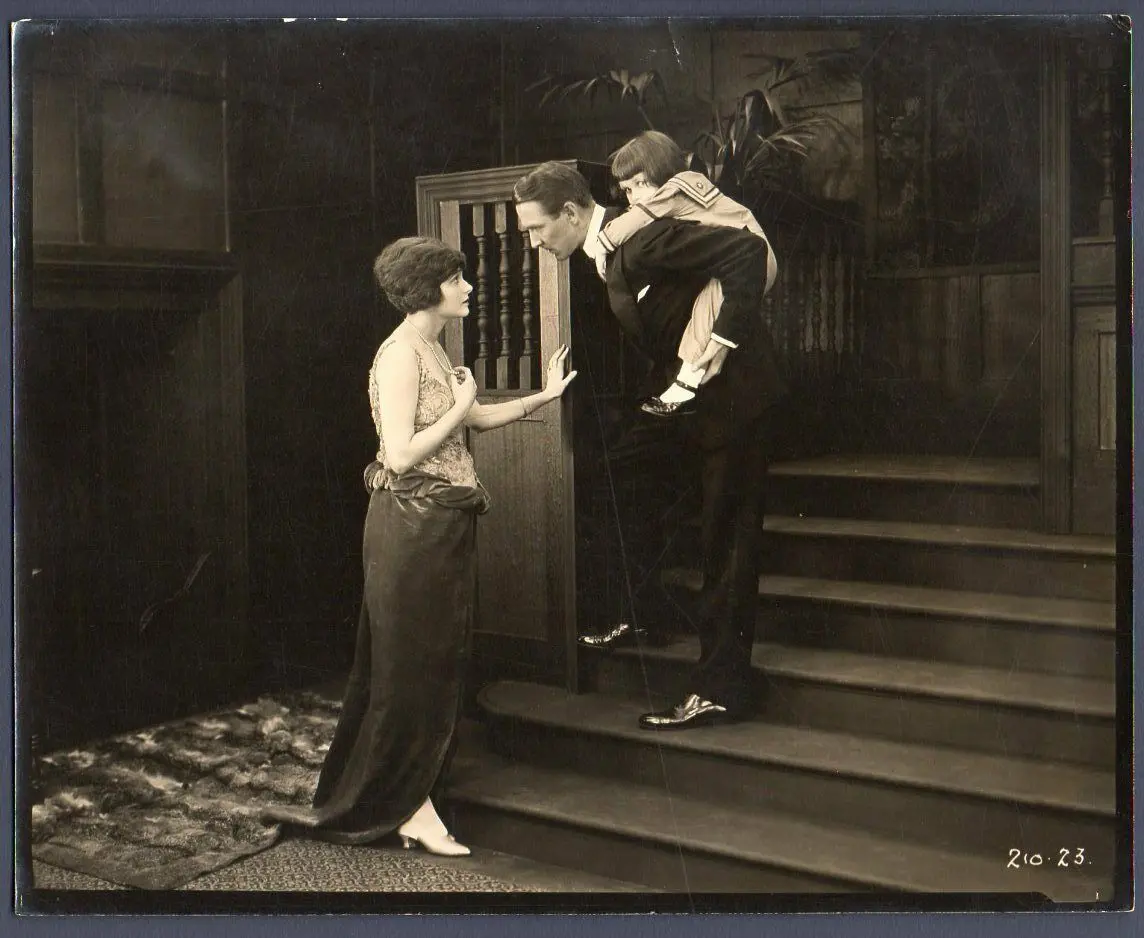
The supporting cast, particularly Percy Marmont, adds layers of nuance to the social hierarchy. Marmont, who would later become a staple of early British and American cinema, brings a grounded sensibility to the role of the suitor whose worth is measured more by his character than his bank account. This romantic subplot, while traditional, serves as a vital counterpoint to the central financial tragedy. It asks the audience to consider what remains when the finery is stripped away—a question also posed with varying degrees of success in The Only Road.
Clyde Fitch was a master of the "comedy of manners," but in the hands of screenwriters Lucien Hubbard and the directorial vision of Terriss, the wit is sharpened into a blade. The transition from stage to screen often results in a static, talky production, yet The Climbers avoids this trap by utilizing the visual grammar of the era. The use of iris shots to focus on pivotal emotional moments and the clever use of intertitles that capture the biting irony of the dialogue ensure that the spirit of Fitch’s work is preserved while embracing the unique strengths of the medium. It shares a certain thematic DNA with The Knife, another Fitch adaptation that deals with the collision of private morality and public scrutiny.
The film also serves as a fascinating time capsule of 1919. Released at the tail end of the Progressive Era and on the cusp of the Roaring Twenties, it captures a society in flux. The "Climbers" of the title are the precursors to the Gatsby-esque figures who would define the next decade. There is a palpable sense of anxiety about the stability of wealth, a sentiment echoed in the more rugged but equally desperate search for fortune in A Yellow Streak. The film suggests that the climb is never truly over; there is always another rung, and the higher one goes, the more devastating the fall.
Visually, the film is a triumph of early studio craftsmanship. The lighting, while primitive by modern standards, effectively differentiates between the bright, superficial public spaces and the dim, shadowed private quarters where the real tragedies unfold. The cinematography captures the textures of the era—the stiff lace, the polished mahogany, the cold stone of the city’s brownstones. This attention to detail elevates the film above the standard melodramas of the day, such as Wit Wins, which often lacked the visual sophistication displayed here.
Furthermore, the pacing of the film is remarkably modern. Terriss understands that the tension lies not in the financial ruin itself, but in the anticipation of the social consequences. The scenes involving the wealthy aunt are particularly well-constructed. She is a figure of immense power, and her entrance into the narrative shifts the dynamic from one of external struggle to internal negotiation. Her "bailout" is not an act of charity; it is an acquisition. This cold-blooded pragmatism adds a layer of cynicism that was quite daring for 1919, reminiscent of the darker undertones in European imports like Homunculus.
As the film reaches its climax, the focus narrows onto the wreckage of the Hunter family's interpersonal relationships. The "complications" mentioned in the plot are not mere plot devices; they are the inevitable results of lives built on a foundation of lies and credit. The betrayal of trust, the revelation of secrets, and the final realization that status cannot buy peace of mind are themes that resonate deeply. This exploration of the human cost of ambition is far more profound than the surface-level drama found in The Second in Command.
In a particularly poignant scene, Griffith’s character surveys the remnants of a party, the debris of their former life scattered like autumn leaves. It is a moment of quiet reflection that encapsulates the film’s central thesis: the climb is a cycle of perpetual dissatisfaction. Whether it is the pursuit of political power in The Life of Adam Lindsay Gordon or the search for exotic beauty in Kaieteur, the Perfect Cataract, the human drive to transcend one's current state often leads to a precipice.
In the grand tapestry of silent cinema, The Climbers occupies a unique position. It lacks the sweeping scale of Griffith’s epics or the slapstick energy of the era’s comedies, but it offers something far more rare: a sophisticated, adult look at the corrosive nature of the American Dream. It is a film that demands to be watched not as a relic, but as a mirror. The faces have changed, and the stock market now operates at the speed of light, but the fundamental tragedy of the Hunter family remains a hauntingly familiar specter in the modern world. It is a masterclass in social realism, a showcase for one of the era’s greatest stars, and a sobering reminder that the view from the top is often obscured by the clouds of one's own making.

IMDb —
1934
Community
Log in to comment.