DbcultAccessing Vault...
Cult Review
Senior Film Conservator
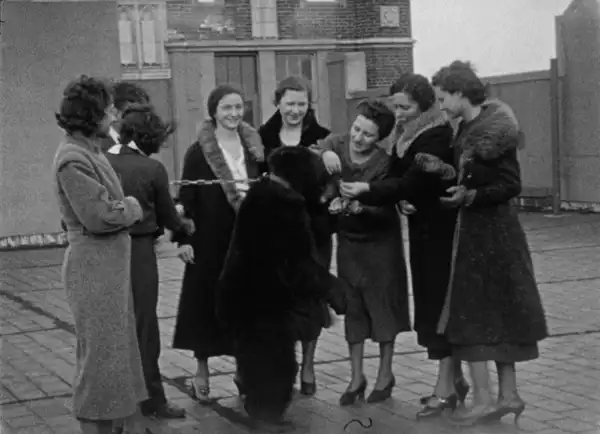
Alright, so 'The Coney Island Amateur Psychoanalytic Society' isn't really a 'movie' in the usual sense. It's more of a rummage through a forgotten corner of history, a peek at something wonderfully odd. If you're into quirky historical footnotes, or just love how people used to try to figure things out *before* everything got so official, you might find a real gem here. But if you're expecting a slick documentary with a clear narrative or, god forbid, some actual drama, you'll probably bounce off this pretty hard. It’s a slow burn, a quiet think piece, not something to just throw on in the background, you know?
The premise alone is just wild. Imagine, a bunch of regular folks on Coney Island in 1926, just deciding to do their own psychoanalysis. No fancy degrees, no expensive couches, just people trying to work out their hang-ups right there near the Cyclone.
Zoe Beloff, who's behind this whole project, she really brings this lost world to life. She uses old photos, little snippets of text, and sometimes it feels like she's just whispering these secrets to you. It's very intimate.
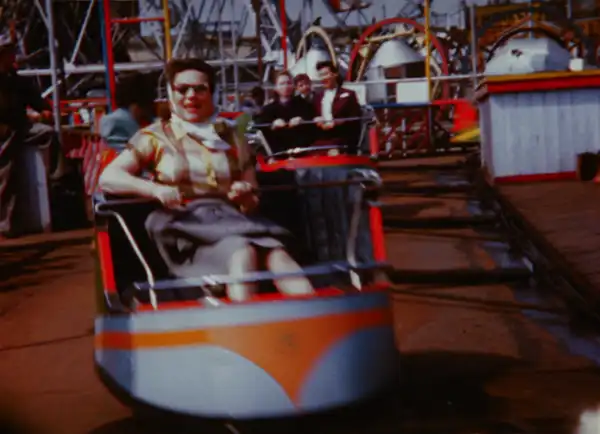
You get this sense of *discovery* watching it, like you're digging through someone's attic. The film itself feels almost like an artifact, not just a film about one. There are moments where the archival footage almost shimmers.
What really sticks with you is the contrast. Coney Island, this place of loud fun and escapism, and then these people trying to delve into the deepest, darkest parts of their minds. It’s such a *New York* thing, that kind of collision.
Albert Grass, the founder, he apparently found Freud's writing while serving in France during WWI. You can only imagine what kind of psychological scars that experience left him with. It makes perfect sense, in a way, that he’d be drawn to something like that.
The film doesn't really try to answer *everything*. It just lays out the pieces and lets you ponder. Like, was this society actually effective? Did it help people? The movie doesn't really care to tell you in a straight line, which is kinda cool.
There's one part where they show a drawing of a dream, and it's so simple, almost childlike, but it carries so much weight. It's not a big special effect, just a drawing, but it makes you stop and think. Those small details are everywhere.
And the voices, sometimes they're just readings of old letters or articles. It’s not actors pretending, it’s just *there*. That feels really authentic, even when the sound quality isn't perfect. You can almost hear the crackle of time.
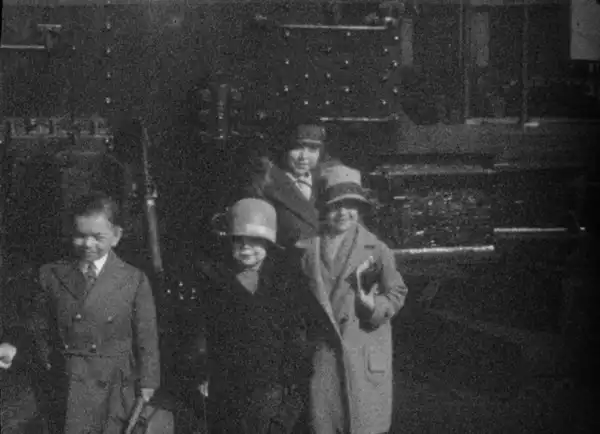
It gets a little slow sometimes, not gonna lie. There are stretches where it feels like it's just letting an idea hang in the air for a bit too long. But then it snaps back, usually with some really neat visual or another obscure historical tidbit.
I found myself wondering about the logistics of it all. Where did they meet? Was it just on the boardwalk? In someone's apartment? The film gives you glimpses, but never a full blueprint. It keeps that *myth* alive.
The whole idea of "urban myth" around the Society, that’s also interesting. Like, did this *really* happen, or was it just a story people told? The film suggests it was real enough, at least for the people involved.
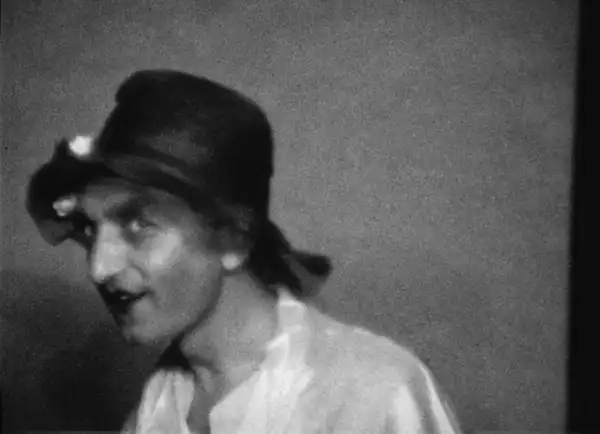
It’s a peculiar film, really. It doesn't have a grand message, or a big reveal. It just presents this weird, wonderful pocket of history and says, "Look at this. Isn't that something?" And yeah, it really is.
If you're someone who loves to dig into the nooks and crannies of human behavior, or just the bizarre little movements that pop up, this is for you. If you need explosions or a clear hero, maybe try something else.
It’s not perfect. It’s a bit fragmented, a little bit like a collection of notes rather than a polished essay. But that’s actually what makes it good. It feels *real*.
Community
Log in to comment.