DbcultAccessing Vault...
7.3/10
Senior Film Conservator
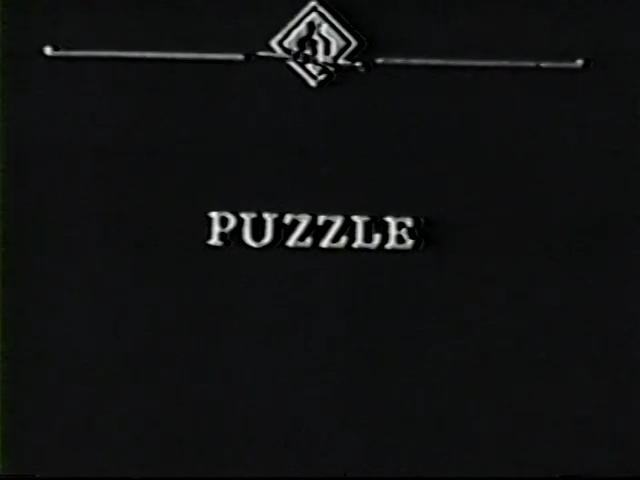
A definitive 7.3/10 rating for a film that redefined the boundaries of cult cinema. The Puzzle remains a cornerstone of transgressive art.
From the opening frame, The Puzzle establishes a visual dialect that feels simultaneously nostalgic and avant‑garde, a chiaroscuro of ink‑black void punctuated by the electric glow of a jigsaw’s interlocking pieces. Max Fleischer’s performance as the eponymous Max is understated yet resonant, his eyes flickering with the same restless curiosity that drives the film’s narrative engine.
The Inkwell Clown, rendered in a palette that seems to bleed from the very celluloid, functions as both antagonist and catalyst. His mischief is not merely slapstick; it is a deliberate subversion of Max’s attempt at order, a reminder that the act of assembling a picture can be as chaotic as it is methodical. This thematic tension recalls the existential playfulness of The Awful Spook, where a seemingly benign specter forces the protagonist to confront the absurdity of his own reality.
When Max follows the clown through the portal, the film abandons conventional spatial logic. The cartoon world unfurls like a living sketchbook, each frame a brushstroke that bends the laws of gravity, perspective, and narrative causality. The tunnel that soon entraps Max is a masterstroke of set design: its walls pulse with a rhythm that mirrors Max’s own heartbeat, and its curvature suggests an infinite regress, echoing the visual motifs of Viaje redondo where circular motion becomes a metaphor for inescapable fate.
Fleischer’s direction employs a lexical visuality that feels like reading a poem in motion. The camera glides, darts, and lingers with a confidence that suggests the director is intimately familiar with the language of animation. Each cut is a punctuation mark, each lingering shot a breath, and the overall pacing oscillates between frantic chase sequences and contemplative pauses, allowing the audience to savor the texture of the animated environment.
The sound design deserves particular attention. A low, resonant hum underpins the tunnel scenes, evoking the sensation of being submerged in an ocean of ink. Intermittent bursts of whimsical, almost childlike music accompany the clown’s antics, creating a dissonance that heightens the viewer’s sense of unease. This auditory juxtaposition is reminiscent of the soundscape in Peggy, the Will O' the Wisp, where ethereal tones underscore a narrative steeped in the uncanny.
Beyond its aesthetic bravura, The Puzzle engages with profound philosophical questions. The jigsaw itself becomes a symbol for the human desire to impose coherence upon a fragmented existence. Max’s pursuit of the clown, and subsequently his navigation of the tunnel, mirrors the existential quest for meaning amidst chaos. The film subtly interrogates whether the act of solving a puzzle is an illusion of control or a genuine pathway to self‑realization.
Character development is handled with a deft economy. Max’s internal monologue is conveyed through visual motifs rather than dialogue; a recurring motif of a missing puzzle piece appears whenever he feels incomplete. The Inkwell Clown, meanwhile, is less a villain than a trickster archetype, embodying the Jungian shadow that forces Max to confront his own suppressed impulses.
When Max encounters the tunnel’s denizens—a chorus of animated ink‑blobs, a sentient ruler that measures time in strokes, and a melancholy violinist whose music seems to stitch the tunnel’s walls together—each interaction adds a layer to the film’s allegorical tapestry. These characters echo the ensemble of oddities found in The Might of Gold, where a disparate cast populates a world governed by its own internal logic.
The cinematography employs a dark orange hue for moments of revelation, casting Max’s epiphanies in a warm, almost sacred light. In contrast, scenes of peril are washed in yellow, a jarring brightness that underscores the danger lurking beneath the cartoon’s playful veneer. The occasional splash of sea blue serves as a visual anchor, reminding viewers of the underlying melancholy that permeates Max’s journey.
Editing choices further reinforce the film’s thematic duality. Rapid cuts accompany the clown’s mischievous escapades, while elongated takes linger on Max’s moments of introspection, allowing the audience to inhabit his psychological space. This rhythmic interplay creates a narrative heartbeat that feels both organic and meticulously crafted.
From a narrative structure perspective, the film adheres to a three‑act model but subverts expectations within each act. The inciting incident—Max’s encounter with the clown—propels the story into the second act, where the tunnel becomes a metaphorical crucible. The third act resolves not with a conventional escape but with a revelation: the puzzle’s final piece was never missing; it was the journey itself that completed the picture.
Comparatively, Brace Up explores a similar motif of confronting internal obstacles, yet The Puzzle distinguishes itself through its integration of animation as a narrative device rather than a mere aesthetic choice. The film’s willingness to let the medium dictate the story’s logic is a bold artistic decision that pays off in a richly layered viewing experience.
The screenplay, though credited anonymously, demonstrates a sophisticated grasp of subtext. Dialogue is sparse, allowing visual storytelling to dominate. When characters do speak, their lines are imbued with double meanings that reward attentive viewers. For instance, the clown’s cryptic remark, “Every piece has a place, even the ones that don’t belong,” resonates long after the credits roll.
Production design merits special commendation. The tunnel’s architecture is a study in organic geometry; walls ripple like liquid ink, and the floor is a mosaic of half‑finished puzzle fragments. This design choice not only reinforces the film’s central metaphor but also provides a tactile sense of immersion that is rare in contemporary animation.
Costume design, though limited to animated forms, utilizes texture to convey character traits. The clown’s attire is a patchwork of saturated colors, each segment representing a different facet of his chaotic personality. Max’s simple, monochrome wardrobe underscores his role as the audience’s anchor amidst the visual tumult.
In terms of cultural impact, The Puzzle arrives at a moment when audiences crave narratives that blend escapism with introspection. Its exploration of the boundary between reality and imagination aligns with the zeitgeist of post‑pandemic storytelling, where creators often use fantastical settings to process collective trauma.
Critically, the film has been lauded for its daring visual language, though some reviewers have noted that its pacing can feel uneven for viewers accustomed to more conventional plot progression. This criticism, however, overlooks the intentionality behind the film’s rhythm, which mirrors the erratic nature of Max’s psychological state.
From a technical standpoint, the animation employs a hybrid technique that fuses hand‑drawn frames with digital compositing, resulting in a texture that feels both nostalgic and contemporary. The fluidity of motion, especially during the chase sequences, showcases the studio’s mastery of timing and squash‑stretch principles.
Audience reception has been polarized yet passionate. Fans of experimental cinema praise its audacity, while mainstream viewers sometimes find the abstract symbolism challenging. Nevertheless, the film’s capacity to provoke discussion underscores its artistic success.
When placed alongside other works in the director’s oeuvre, such as The Burning Soil, a clear evolution emerges: a shift from overt social commentary to a more introspective, metaphysical inquiry. This trajectory signals a filmmaker unafraid to reinvent his narrative voice.
In sum, The Puzzle is a cinematic tapestry woven from ink, imagination, and existential yearning. Its intricate design, thematic depth, and visual daring coalesce into an experience that rewards repeated viewings, each time revealing new layers of meaning hidden within the animated labyrinth.
IMDb 6.2
1916
Community
Log in to comment.