DbcultAccessing Vault...
Cult Review
Senior Film Conservator
From the silent era, a film emerges that dares to intertwine the intimate with the monumental, crafting a narrative of romance that resonates with the echoes of history itself. The Cradle of the Washingtons, a title laden with both familial warmth and national significance, is more than a mere love story; it is a thoughtful meditation on legacy, reconciliation, and the enduring power of human connection across geopolitical divides. Arthur Branscombe’s script, a testament to the era’s storytelling sensibilities, posits a fascinating premise: a burgeoning romance between individuals whose very bloodlines are linked to the foundational titans of both Britain and America – Washington and Franklin. This is not just a clever plot device; it is a symbolic gesture, an ambitious attempt to heal historical wounds and forge a new path of understanding through the most personal of bonds.
The film’s central conceit immediately elevates it beyond a conventional melodrama. By connecting its protagonists to George Washington and Benjamin Franklin, Branscombe injects a profound historical gravitas into what might otherwise be a straightforward romantic entanglement. Imagine the narrative weight carried by characters who, in their very existence, embody the complex, often fraught, relationship between two nations. This Anglo-American alliance, forged in the crucible of personal affection, speaks volumes about the shifting global landscape of the early 20th century, a time when old empires were recalibrating their relationships with burgeoning powers. The romance, therefore, becomes a microcosm of a larger societal and political desire for harmony, a wish for the historical chasm of revolution to be bridged by the gentle, yet irresistible, currents of love.
Maud Yates, a luminary of the silent screen, imbues her character – presumably the English protagonist – with a nuanced blend of aristocratic grace and burgeoning modernity. One can envision her performance as a masterclass in subtlety, conveying internal conflict and evolving sentiment through the delicate tilt of her head, the expressive depth of her eyes, or the restrained gesture of a hand. Her portrayal would likely navigate the delicate balance between loyalty to her heritage and the magnetic pull of a new, perhaps unexpected, affection. The challenges faced by her character would not merely be romantic hurdles, but also the societal expectations, ancestral pride, and the very weight of history that her family name would undoubtedly carry. Yates, known for her ability to convey complex emotional landscapes without uttering a single word, would undoubtedly bring a profound dignity and vulnerability to this role, making her character’s journey of emotional awakening utterly compelling.
Opposite her, Cecil Morton York, embodying the American counterpart, would likely project a different, yet equally compelling, set of qualities. His character, perhaps, would exude the youthful vigour and pragmatic optimism often associated with the burgeoning American spirit, yet tempered by a deep respect for his own storied lineage. York’s performance would likely highlight the charm and earnestness required to overcome the inherent prejudices or reservations of an English family wary of a transatlantic union. His on-screen presence, often characterized by a robust sincerity, would serve as the perfect foil to Yates’s refined elegance, creating a dynamic tension that fuels the romantic narrative. The chemistry between them, even in the absence of dialogue, would have been paramount, relying on shared glances, unspoken understandings, and the meticulous choreography of physical closeness to convey the deepening bond between their characters.
Arthur Branscombe’s script, the blueprint for this ambitious vision, must have meticulously constructed a world where historical echoes are palpable. One can speculate on his intentions: perhaps a commentary on the futility of old grievances, a celebration of shared cultural values, or even a subtle political statement advocating for stronger Anglo-American ties in a rapidly changing world. Branscombe, as the architect of this narrative, would have faced the challenge of making these historical connections feel organic rather than didactic, ensuring that the personal drama remained at the forefront while the larger thematic implications simmered beneath the surface. The plot’s progression would likely involve initial encounters imbued with curiosity and perhaps a touch of cultural misunderstanding, gradually evolving into a profound mutual respect and, ultimately, an undeniable love. This progression would be punctuated by the inevitable obstacles, perhaps from disapproving family members, societal pressures, or even the ghosts of history themselves, requiring the protagonists to assert their love against considerable odds. The narrative arc, in its classical structure, would move towards a climactic moment of decision or revelation, culminating in a resolution that affirms the power of love to transcend even the grandest of historical narratives.
The very title, The Cradle of the Washingtons, evokes a sense of ancestral origin and foundational importance. It suggests a place, perhaps a grand estate or a humble birthplace, that serves as a tangible link to the past, a silent witness to generations. This setting would undoubtedly be utilized for its symbolic weight, providing a backdrop that is both picturesque and historically resonant. Imagine scenes unfolding within a stately English manor, perhaps contrasted with the vibrant, burgeoning energy of an American city, or a more rustic, historically significant American landscape. These contrasting environments would not merely be visually appealing but would serve to underscore the cultural differences that the protagonists must bridge, making their eventual union all the more poignant and significant. The visual storytelling of the silent era, with its emphasis on evocative settings and symbolic imagery, would have been perfectly suited to convey these layers of meaning.
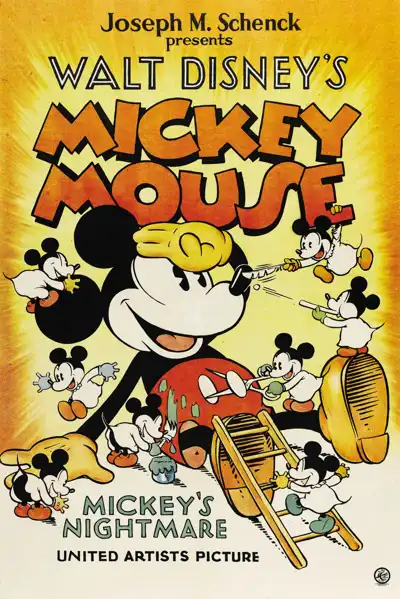
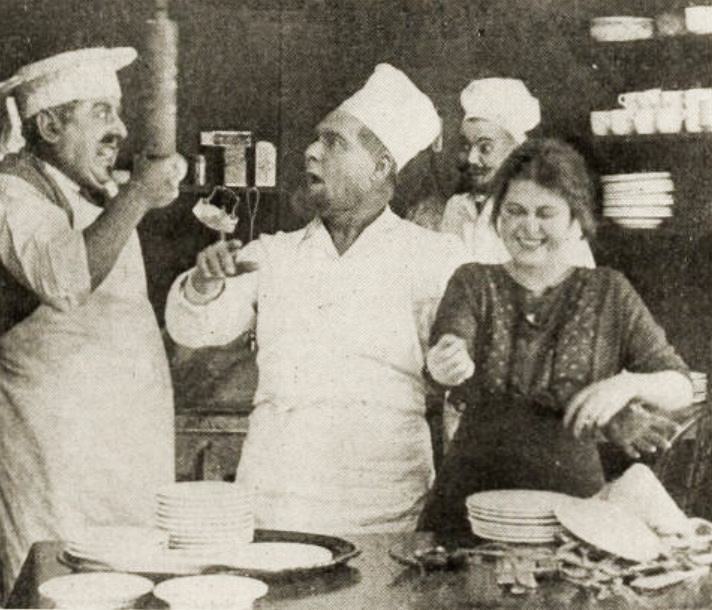
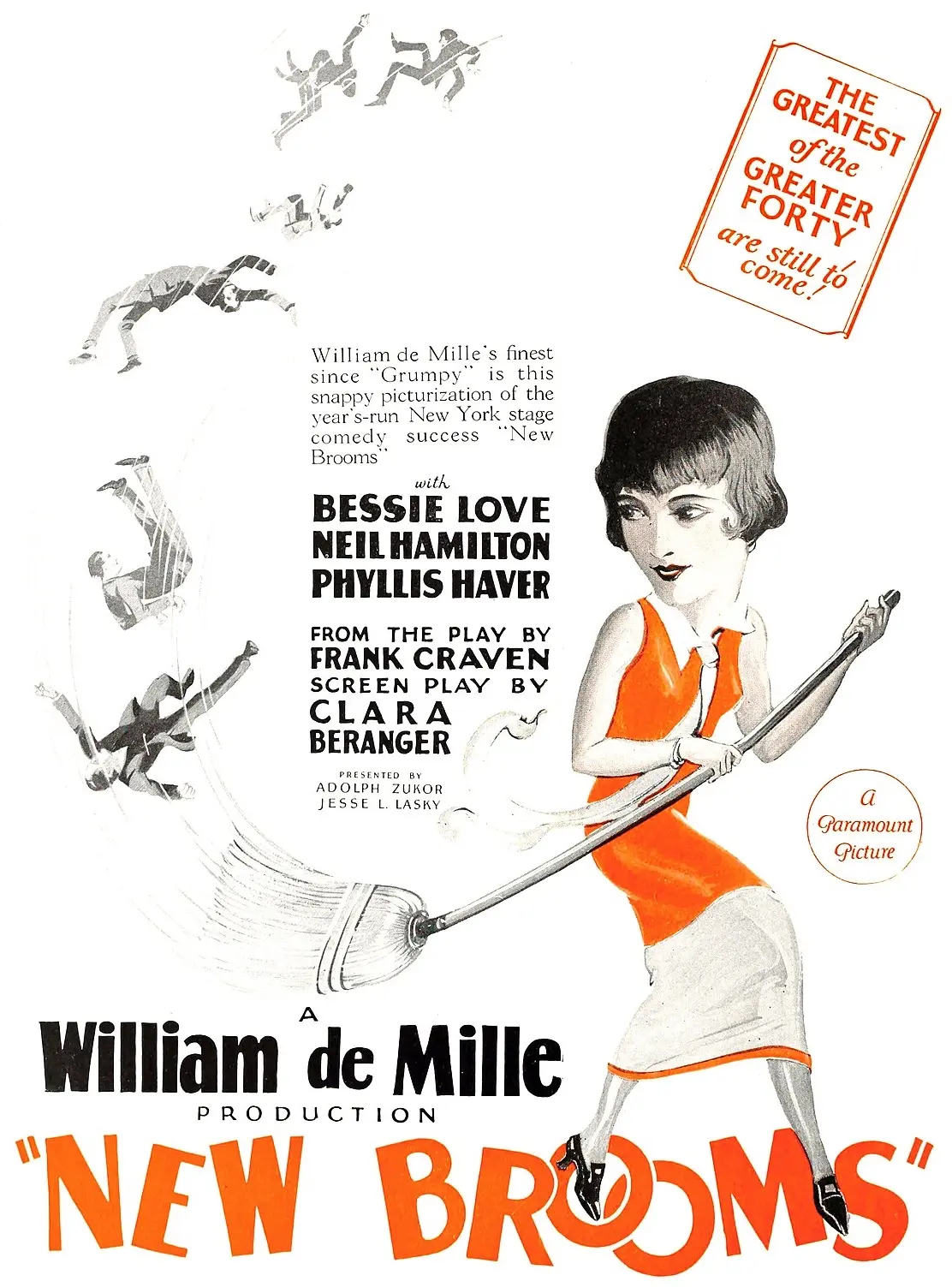
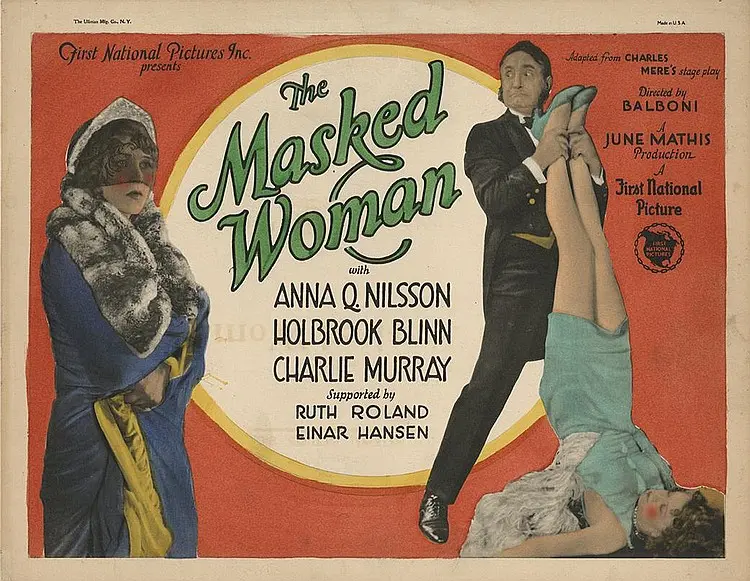
In its broader cinematic context, The Cradle of the Washingtons likely stood as a distinguished entry within the romantic dramas of its time, perhaps echoing the grand emotional sweeps found in films like Sonho de Valsa, yet distinguished by its unique historical overlay. While many films explored societal barriers to love, as seen in Barriers of Society, this picture adds an extra dimension of national and historical rivalry, making the overcoming of these obstacles feel even more triumphant. The emphasis on family legacy and the preservation of a good name, a theme explored in Saving the Family Name, would also be intensely relevant here, as the protagonists' union would not only be personal but would also carry implications for their respective families' standing and historical narrative. The film, in its quiet power, suggests that the future is built not on forgetting the past, but on understanding it and integrating its lessons into a new, harmonious present.
The enduring appeal of such a narrative lies in its timeless themes. Who isn't captivated by a story where love must conquer not just personal doubts but also the weight of centuries? The notion of two individuals, seemingly destined to be apart by the currents of history, finding common ground and forging a shared future is universally compelling. This film, even without the benefit of spoken dialogue, would have communicated these profound ideas through the universal language of human emotion, rendered vividly by its talented cast. The careful construction of the plot by Branscombe ensures that the audience is invested not just in the outcome of the romance, but in the larger symbolic victory it represents – the triumph of unity over division, of understanding over prejudice. Much like the intricate web of fate that might guide characters in a film such as When Fate Leads Trump, the historical lineage here acts as a powerful, almost predestined, force that draws the protagonists together, despite the initial appearances of separation.
One can also consider the film's potential commentary on identity and belonging. For characters so deeply rooted in their national identities, the act of falling in love with someone from the 'other side' must necessitate a re-evaluation of who they are and where their loyalties lie. This internal struggle, if depicted with the sensitivity that Maud Yates and Cecil Morton York were capable of, would have added another rich layer to the narrative. It moves beyond a simple 'us vs. them' mentality, proposing instead a more expansive definition of self that incorporates shared humanity. This theme, of transcending predefined roles or societal expectations, finds a parallel in films like A Law Unto Herself or even The Idol of the Stage, where characters often grapple with their public personas versus their true desires. The Washington/Franklin connection, in this light, becomes not just a historical anchor but a dynamic force that challenges the characters to forge their own paths while honoring their past.
The dramatic tension would likely be expertly managed, ensuring that the audience remains engaged with every turn of the narrative. Perhaps there is a hidden secret within one of the families, a piece of historical intrigue that could complicate the romance, much like the mysteries unravelled in The Million Dollar Mystery. Or perhaps there are external forces, societal gossips or rivals, who attempt to disrupt the burgeoning affection, creating a sense of urgency and peril. The beauty of silent cinema often lay in its ability to amplify these dramatic stakes through visual metaphors and heightened emotional expressions. The film's ability to navigate these potential pitfalls while maintaining its core message of reconciliation would be a testament to Branscombe's skill as a storyteller and the director's visual acumen. The performances of Yates and York would be crucial in conveying the gravity of these challenges, making their eventual triumph all the more satisfying.
The legacy of The Cradle of the Washingtons, even viewed through the lens of history, speaks to the enduring human fascination with stories that bridge divides. It’s a film that, in its ambitious scope, sought to remind audiences that national identities, while powerful, are ultimately composed of individual lives and choices. The romance at its heart is not merely a personal triumph but a symbolic one, representing a hopeful vision for a world where historical grievances can be overcome by shared values and mutual affection. It’s a compelling piece of cinematic history, offering a glimpse into the preoccupations and aspirations of an era, all wrapped within a tender, historically resonant love story. The film’s very existence underscores the early cinema's capacity for complex narrative and profound thematic exploration, proving that even without dialogue, stories could speak volumes about the human condition and the intricate dance between personal destiny and global history.
Ultimately, The Cradle of the Washingtons stands as a fascinating artifact, a silent testament to the power of narrative to explore grand themes through intimate lenses. Arthur Branscombe’s vision, brought to life by the evocative performances of Maud Yates and Cecil Morton York, creates a cinematic experience that is both historically conscious and deeply romantic. It invites us to consider how our past shapes our present, and how personal connections can, in turn, reshape the future. The film is a quiet yet powerful argument for the enduring strength of human bonds, suggesting that even the most formidable historical divides can be bridged by the simple, yet profound, act of falling in love. It's a reminder that beneath the grand narratives of nations, there are always the personal stories, the shared humanity, and the relentless pursuit of connection that truly define us.
IMDb 7.7
1933
Community
Log in to comment.