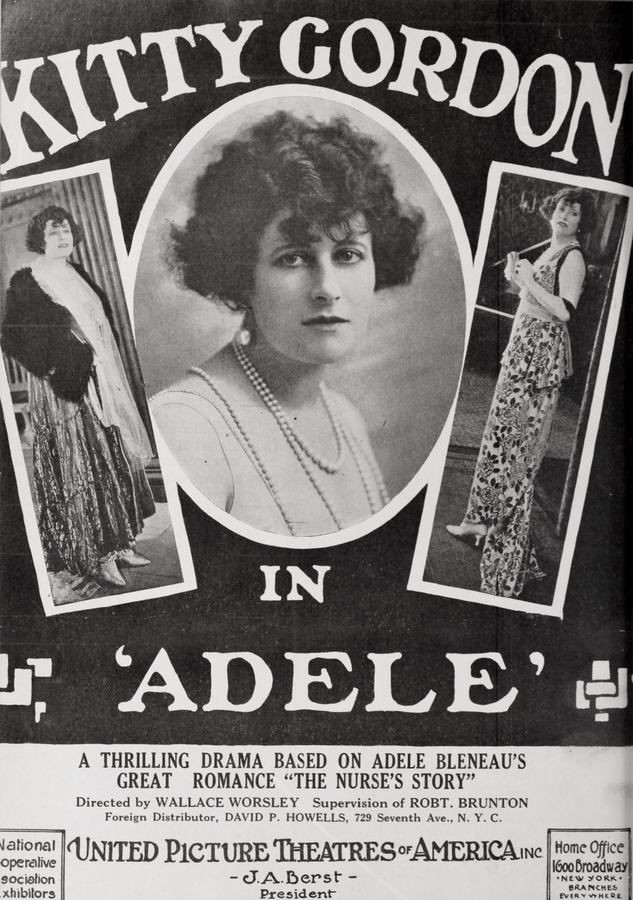
Alouette, the daughter of prosperous French vintner LeSieur Juste DeLarme, secretly marries Bertrand Beaubien although her father wants her to wed wealthy German Kurt Von Klassner. After Kurt slays Bertrand, Alouette is forced to marry the brutal German, and only her love for her little son Bertrand, whom Kurt imagines is his offspring, but who actually is the slain Frenchman's, saves her from complete unhappiness.
Jack Cunningham, Francis Paget
United States
.highlight-orange { color: #C2410C; } .highlight-yellow { color: #EAB308; } .highlight-blue { color: #0E7490; } .section { margin-bottom: 30px; } h2 { color: #C2410C; border-bottom: 2px solid #C2410C; padding-bottom: 5px; } p { line-height: 1.8; } Unraveling the Threads of a Sile...
production_art
Comparing the cinematic DNA and archive impact of two defining moments in cult history.
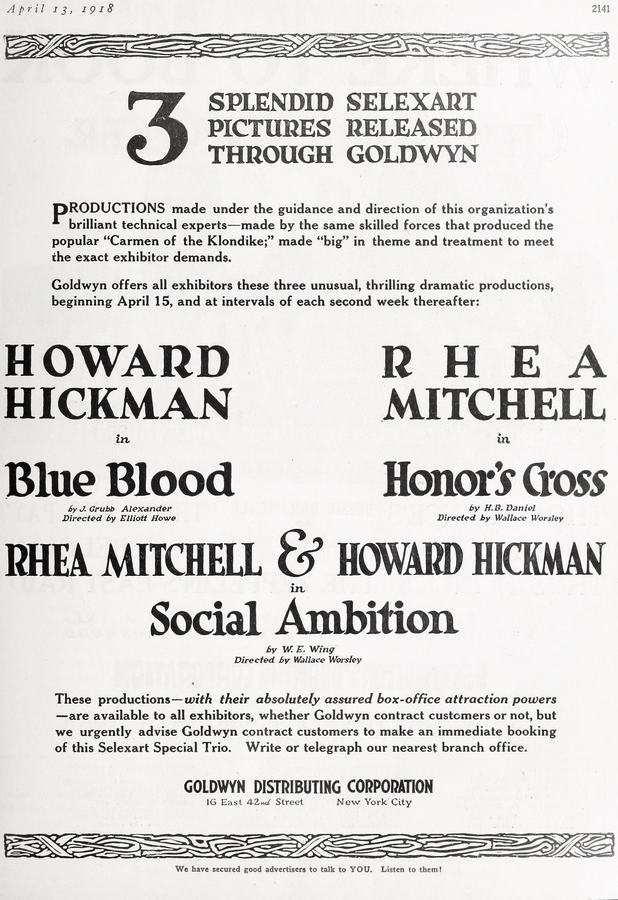
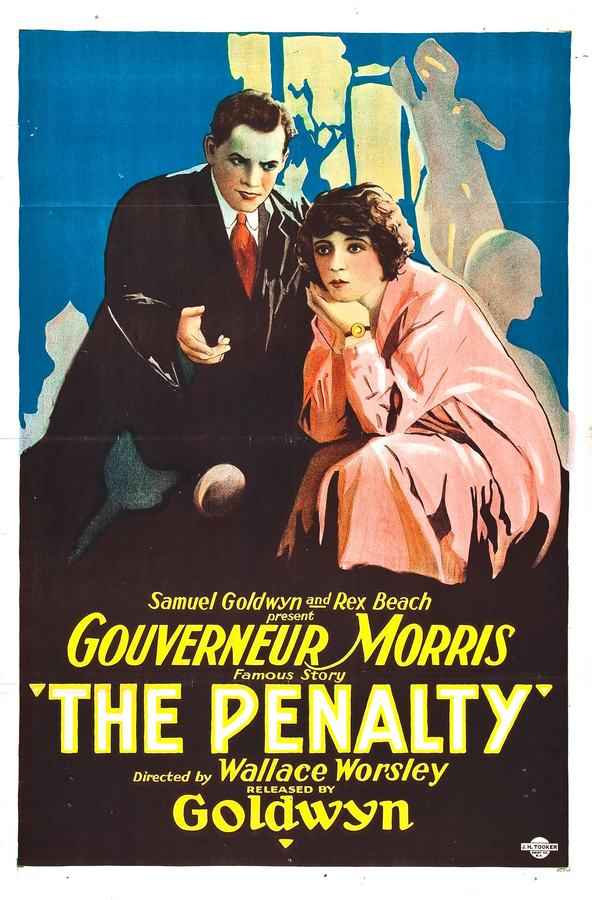
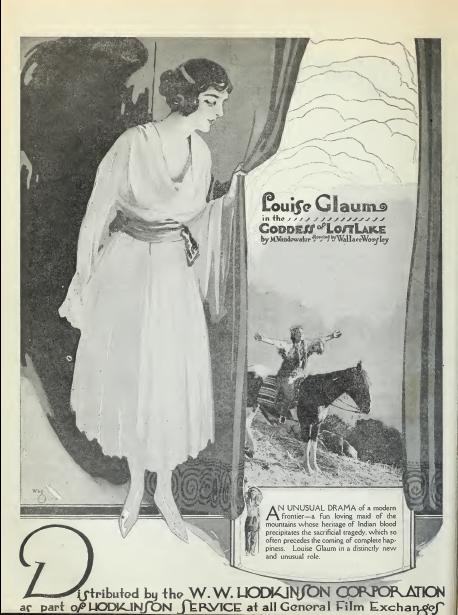
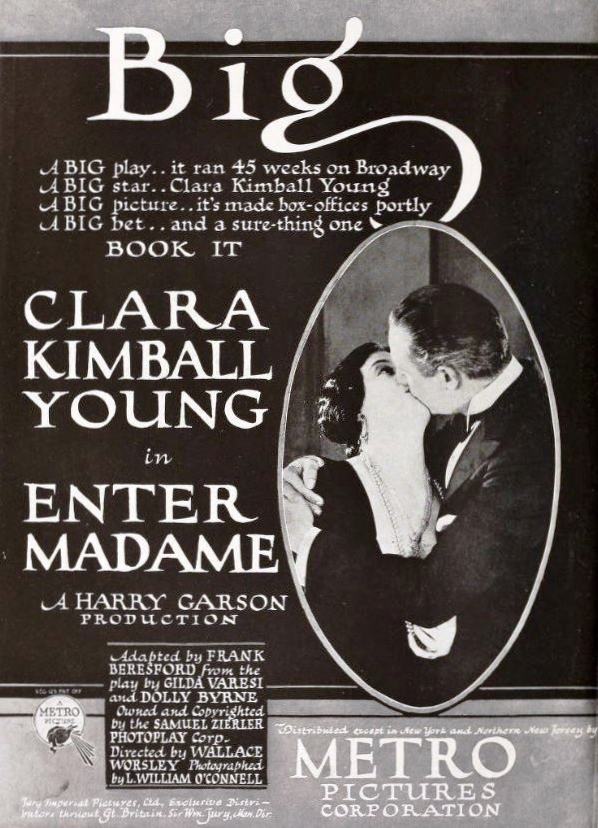
Wallace Worsley
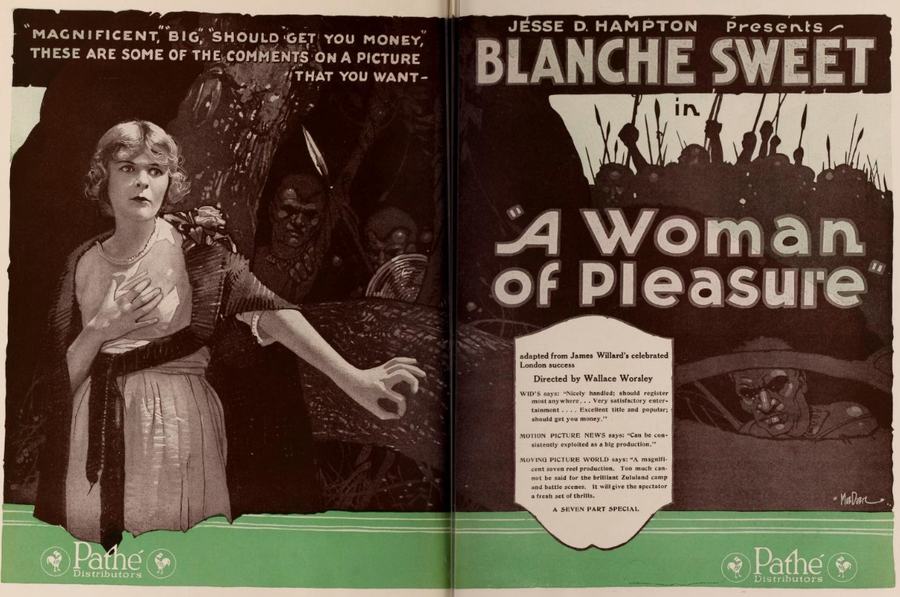
Wallace Worsley
Community
Log in to comment.
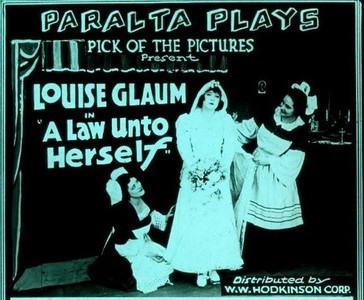
" .highlight-orange { color: #C2410C; } .highlight-yellow { color: #EAB308; } .highlight-blue { color: #0E7490; } .section { margin-bottom: 30px; } h2 { color: #C2410C; border-bottom: 2px solid #C2410C; padding-bottom: 5px; } p { line-height: 1.8; } Unraveling the Threads of a Silent Era Masterwork The 1918 silent film A Law Unto Herself, directed with a deft hand by Jack Cunningham and Francis Paget, emerges as a strikingly modern narrative for its time..."
Deep dive into the cult classic
Discover similar cinematic experiences
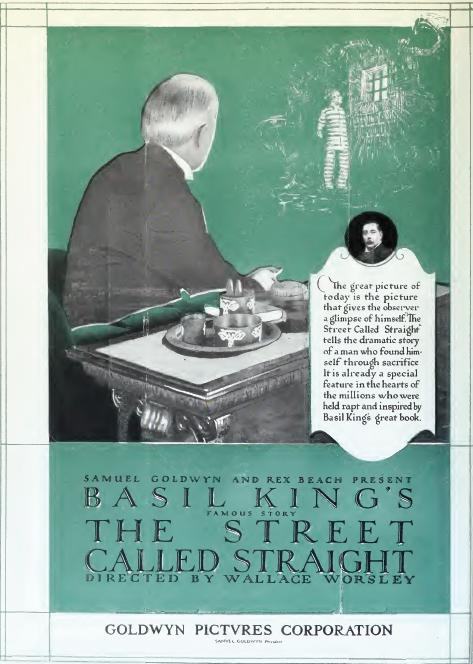
A Directorial Spotlight on Wallace Worsley