DbcultAccessing Vault...
Cult Review
Senior Film Conservator
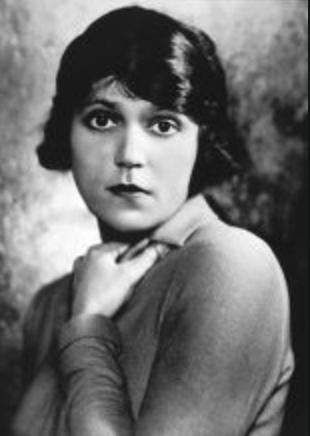
There’s something undeniably magnetic about a narrative steeped in the raw, unvarnished emotions of human frailty and cunning. When a film manages to weave a tapestry so intricate, so fraught with passion and peril, it transcends its era to speak to universal truths. Such is the case with The Death Dance, a cinematic experience that, despite its vintage, pulsates with a timeless energy. It’s a compelling journey into the darker corridors of the human heart, where love curdles into obsession and loyalty is but a fleeting illusion.
The film opens with a visceral punch, plunging us into the crumbling world of Arnold Maitland, portrayed with a poignant vulnerability by Robert Cain. His discovery of wife Cynthia’s (a chillingly effective Alice Brady) infidelity with the slick Boresky (Mahlon Hamilton) is not merely a plot point; it’s a seismic event that shatters his domestic idyll. Cain masterfully conveys the quiet devastation of a man whose foundations have been irrevocably shaken, his initial disbelief morphing into a profound sense of injury. It’s a testament to his performance that we feel Arnold’s pain so acutely, making his subsequent quest for solace not just understandable, but deeply sympathetic.
His escape from this marital wasteland leads him into the vibrant, if sometimes shadowy, world of cabaret. Here, he encounters Flora Farnsworth (Nadia Gary), a dancer whose spirit and warmth offer a stark contrast to Cynthia’s icy detachment. Gary imbues Flora with a captivating blend of innocence and resilience, making her an immediate beacon of hope for Arnold. Their burgeoning romance is depicted with a delicate touch, illustrating how genuine connection can emerge from the ashes of betrayal. Arnold’s determination to divorce Cynthia and build a new life with Flora is presented not as a rash decision, but as a desperate reach for happiness, a yearning for redemption from a life that had become a lie. The narrative, penned by the insightful Marie Eve and Paul West, expertly navigates these emotional currents, ensuring that the audience remains invested in Arnold’s pursuit of a brighter future.
Just as happiness seems within grasp, the film delivers a gut-wrenching twist: Arnold’s untimely demise in an accident. This sudden, brutal turn of events is a stark reminder of life’s inherent unpredictability, a thematic thread that runs deep through the fabric of the story. The impact on Flora is profound, and Gary’s portrayal of her grief is both raw and convincing. Her world, once again, crumbles, leaving her adrift in a sea of sorrow. It’s in this vulnerable state that she turns to Philip Standish (Holmes Herbert), Arnold’s business partner. Herbert brings a quiet strength and understated compassion to Philip, making him the ideal anchor for Flora in her time of need. Their relationship evolves organically, a gradual blossoming from shared grief into a deeper, more intimate bond, cementing Flora's new emotional landscape.
The writers, Eve and West, are adept at crafting situations that feel both melodramatic and utterly human. The shift in Flora’s affections, while rapid, is presented as a natural progression for a woman seeking stability and comfort after profound loss. Philip, for his part, represents a safe harbor, a stark contrast to the volatile passions that previously defined her life with Arnold. This evolving dynamic between Flora and Philip is one of the film's strongest elements, showcasing how relationships can be forged in the crucible of shared experience and mutual support. It’s a quieter, more reflective love than the one she shared with Arnold, but no less profound, suggesting different facets of human connection.
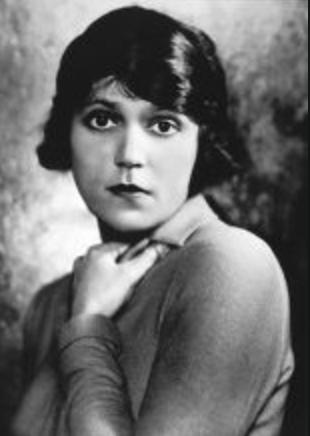
However, the narrative refuses to settle into domestic tranquility. The re-entry of Cynthia Maitland into the fray injects a potent dose of venom and suspense. Having grown weary of Boresky, her gaze now fixates on Philip Standish, a man of standing and stability. Alice Brady’s performance as Cynthia is nothing short of masterful. She imbues the character with a chilling blend of calculated charm and ruthless ambition, making her a truly formidable antagonist. Cynthia is not merely a jealous ex-wife; she is a force of nature, driven by a possessive desire that knows no bounds. Her disdain for Flora and her cold-blooded dismissal of Boresky highlight her utter lack of empathy, painting her as a classic femme fatale whose beauty masks a truly sinister core.
The intricacy of Cynthia's plan to eliminate both Flora and Boresky, leaving Philip solely for herself, is where The Death Dance truly elevates itself. It's a testament to the script's cleverness and the director's ability to build tension. Cynthia’s machinations are not simply a series of impulsive acts, but a meticulously crafted scheme, revealing a mind as sharp as it is depraved. The audience is drawn into her web, simultaneously repulsed by her actions and fascinated by her cunning. The stakes are raised exponentially, transforming the film from a romantic drama into a taut, psychological thriller. This narrative complexity distinguishes it from simpler melodramas of the era, demanding active engagement from its viewers.
The ensemble cast delivers performances that are uniformly strong, each actor contributing a vital thread to the film's rich tapestry. Robert Cain, as Arnold, lays the groundwork for the emotional turmoil, his initial despair providing a stark contrast to his fleeting joy with Flora. Nadia Gary's Flora is a sympathetic figure, her transformation from spirited dancer to grieving widow to hopeful lover handled with grace and conviction. Holmes Herbert’s Philip is the stoic anchor, his quiet strength a perfect foil to the volatile personalities around him. Even supporting players like Charles Slattery, Rita Spear, and Helen Montrose contribute authentic touches to the world of the film, adding depth and believability to the unfolding drama.
However, it is Alice Brady as Cynthia who truly dominates the screen. Her portrayal is a masterclass in silent film acting, conveying a vast spectrum of emotions—from feigned innocence to cold-blooded malevolence—with subtle gestures and piercing gazes. She commands every scene she’s in, her presence radiating a palpable danger that keeps the audience on edge. Her ability to shift from seductive charm to ruthless determination is breathtaking, making Cynthia one of cinema’s most memorable villains. Her character's complex motivations and the sheer audacity of her schemes often bring to mind the intricate web of deception found in films like The Eleventh Commandment, where moral ambiguity and calculated moves drive much of the plot.
The collaborative efforts of writers Marie Eve and Paul West are evident in the film’s tightly structured plot and well-defined character arcs. They eschew simple good-versus-evil dichotomies, instead presenting characters with complex motivations and flaws. The dialogue, though unspoken in the silent era, is conveyed through expressive intertitles that are both poetic and direct, moving the story forward with clarity and impact. The narrative pacing is particularly noteworthy; it builds slowly, allowing the emotional weight of each revelation to sink in, before accelerating into a thrilling crescendo of suspense and confrontation. This measured approach ensures that the audience is fully invested in the fates of these characters before the truly dark turns begin.
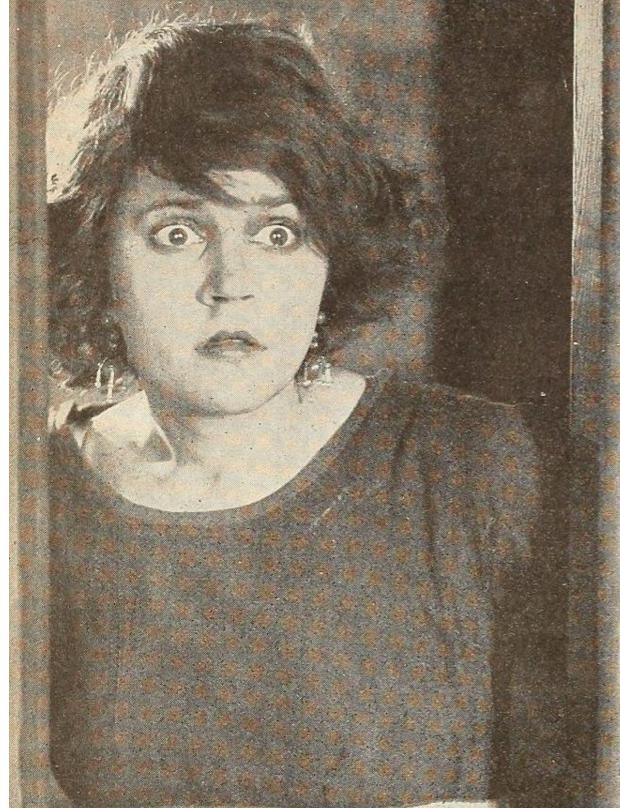
The direction, which skillfully translates this intricate script to the screen, deserves significant commendation. Every frame feels purposeful, every visual choice enhancing the emotional landscape. The use of close-ups effectively captures the nuanced expressions of the actors, allowing their internal struggles and sinister intentions to be fully realized. The atmospheric lighting, often contrasting deep shadows with stark highlights, contributes significantly to the film’s dramatic tension, particularly in scenes involving Cynthia’s clandestine activities. This visual storytelling elevates The Death Dance beyond mere melodrama, transforming it into a compelling work of art that relies as much on its visual grammar as its narrative thrust. The dark undertones and the exploration of moral decay within high society can evoke parallels with films that delve into the underbelly of human nature, such as the nuanced explorations of character found in Rich Man, Poor Man, though perhaps with a more pronounced sense of impending doom.
Thematic resonance is another strong suit of The Death Dance. It explores the destructive power of obsession, the fragility of happiness, and the lengths to which individuals will go to achieve their desires. The film delves into the moral compromises people make when faced with temptation and betrayal, painting a nuanced picture of human psychology. It’s a stark reminder that true villainy often wears a beautiful mask, and that the greatest dangers can lurk within the most familiar relationships. The relentless pursuit of an object of desire, regardless of the cost, aligns with the intensity often seen in narratives like The Apostle of Vengeance, though with a different moral compass guiding the protagonists.
Ultimately, The Death Dance is more than just a period piece; it's a meticulously crafted drama that holds up remarkably well. Its themes of love, betrayal, and deadly ambition are as relevant today as they were upon its release. The film’s ability to generate genuine suspense and evoke strong emotional responses is a testament to the skill of everyone involved, from the writers to the cast and crew. It’s a film that lingers in the mind long after the final frame, prompting reflection on the darker aspects of human nature and the unpredictable turns of fate. For enthusiasts of classic cinema, or anyone who appreciates a well-told story with high stakes and compelling characters, this film is an absolute must-see.
The film’s exploration of societal expectations and personal desires, particularly through Cynthia’s character, offers a fascinating glimpse into the era’s moral landscape. Her relentless pursuit of Philip, despite her past actions, speaks volumes about the perceived value of status and security. It’s a narrative that, while rooted in melodrama, possesses a psychological depth that elevates it beyond mere entertainment. It forces us to confront uncomfortable questions about morality, justice, and the often-unseen battles waged within the human heart. The intricate plotting and the sustained tension are reminiscent of the deliberate unraveling of secrets in Who Knows?, where every revelation shifts the ground beneath the characters' feet. Moreover, the portrayal of a strong, albeit morally corrupt, female character manipulating her environment for personal gain might even draw a subtle comparison to the complex leading roles found in literary adaptations like La dame aux camélias, albeit with vastly different ethical frameworks.
In a cinematic landscape often saturated with special effects and rapid-fire cuts, The Death Dance serves as a powerful reminder of the enduring impact of strong storytelling and compelling performances. It’s a film that relies on the power of suggestion, the nuance of expression, and the sheer force of its narrative to draw the audience in and hold them captive. The dance it portrays is indeed one of death, but also one of life, love, and the relentless, often brutal, pursuit of what one desires. It stands as a testament to the artistry of its time, a gripping drama that continues to resonate with its potent blend of passion and peril, solidifying its place as a memorable contribution to cinematic history. Its narrative of intertwined destinies and the long shadow of past actions also brings to mind the intricate personal histories explored in The Legacy of Happiness, where the past continually shapes the present and future.
IMDb 7.1
1932
Community
Log in to comment.