DbcultAccessing Vault...
Cult Review
Senior Film Conservator
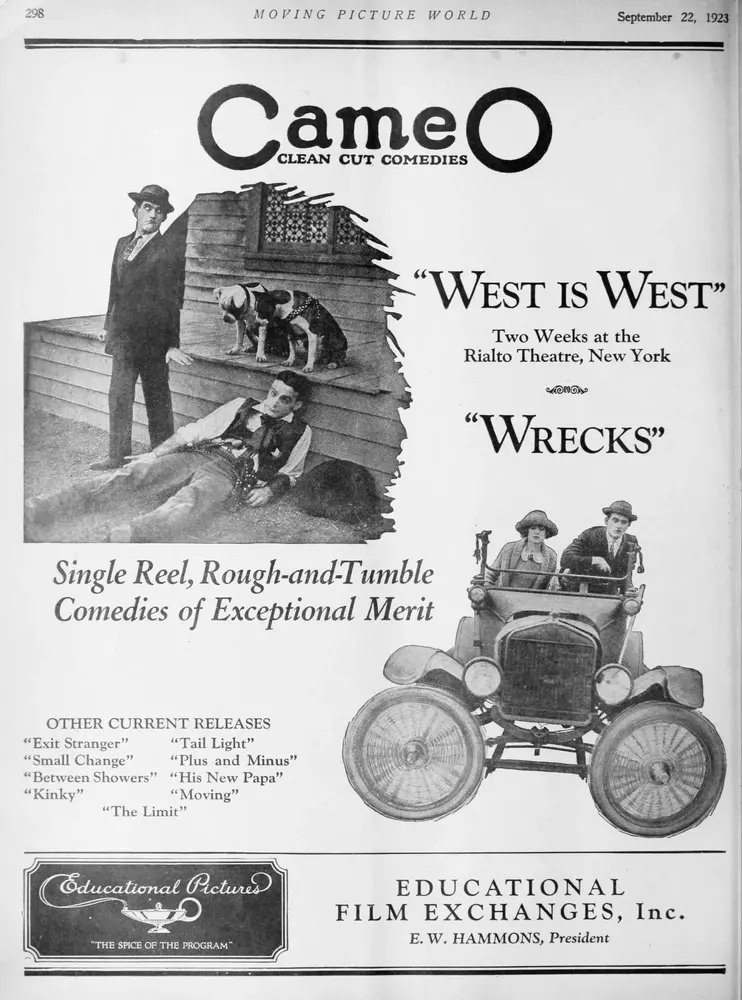
Stepping back into the cinematic annals of 1923, one encounters Fred Hibbard's West Is West, a kinetic silent Western that, despite its seemingly straightforward premise, manages to distill a potent concoction of excitement and genuine fun. In an era often characterized by nascent storytelling techniques and a reliance on broader strokes, Hibbard, alongside his spirited cast led by Virginia Vance and Cliff Bowes, crafts a narrative that is less about intricate psychological depth and more about the exhilarating momentum of a well-executed chase. It is a film that speaks to the foundational appeal of cinema: movement, spectacle, and the visceral thrill of peril and pursuit. The very fabric of its existence is woven from the urgency of a single, pivotal event – a robbery – which then unravels into a cascade of action, proving that even in the early days of the medium, filmmakers understood the power of a compelling hook and an relentless pace. This isn't a contemplative character study; it's a vibrant, almost breathless sprint through the conventions of the burgeoning Western genre, punctuated by moments of genuine ingenuity and delightful escapism. Its charm lies precisely in its unpretentious commitment to entertainment, a quality that resonates even a century later, offering a window into the popular amusements of its time. The film is a testament to the early silent era’s ability to captivate audiences with visual dynamism alone, transforming a simple plot into a vivid experience.
At its core, West Is West hinges on a remarkably simple, yet universally resonant, narrative trigger: a young woman, entrusted with a significant sum of gold destined for the bank, is waylaid by a band of opportunistic brigands. This moment of audacious theft, occurring before the intended deposit, serves as the catalyst for virtually everything that follows. The film wastes no time in establishing stakes, immediately plunging its protagonist, and by extension, the audience, into a maelstrom of urgency. Unlike the more sprawling, character-driven serials of the period, such as The Romance of Elaine or The Unknown Quantity, West Is West adopts a more streamlined, almost breathless approach. The pursuit of the perpetrators isn't merely a plot point; it is the plot. Hibbard's direction, even in its nascent form, demonstrates a keen understanding of cinematic rhythm, propelling the narrative forward with an almost relentless energy. Each near-miss, each clever diversion, each desperate dash contributes to an escalating sense of excitement, meticulously building a tapestry of suspense and lighthearted adventure. The pacing is particularly noteworthy for a film of its vintage, eschewing prolonged exposition in favor of dynamic action sequences that speak volumes without a single uttered word. This commitment to visual storytelling ensures that the film never drags, maintaining a captivating momentum from the initial robbery to the climactic resolution. It’s a masterclass in how to extract maximum entertainment from minimal narrative complexity, relying instead on the sheer kinetic force of its central conflict.
Central to the effervescent charm of West Is West is the compelling performance of Virginia Vance. In an era where female protagonists often occupied roles of damsels in distress, Vance injects her character with a remarkable degree of agency and spirited resilience. She is not merely a victim to be rescued; she is an active participant in her own vindication, driving much of the pursuit herself. Her portrayal is a captivating blend of vulnerability and tenacity, a performance that must have resonated powerfully with audiences of the time, much as it still impresses today. Vance's ability to convey a broad spectrum of emotions through nuanced facial expressions and dynamic physicality is a testament to the unique demands of silent acting. She navigates moments of fear, determination, and even flashes of comedic exasperation with an almost effortless grace, ensuring that the audience is fully invested in her plight. Her presence elevates the film beyond a simple chase sequence, imbuing it with a human core that is both relatable and inspiring. Comparing her to other spirited actresses of the period, one might draw parallels to the pluck of characters found in films like Sally in Our Alley, though Vance's character here is thrust into a more overtly perilous, action-oriented scenario. Her capacity for physical comedy and daredevil stunts, often executed with a disarming charm, sets her apart, making her a true silent era dynamo. She manages to be both elegant and earthy, embodying the spirit of the frontier woman who is not afraid to take matters into her own hands, proving that strength and grace are not mutually exclusive.
Fred Hibbard, the film's writer and director, demonstrates a clear, if understated, mastery of early cinematic craft. His screenplay, sparse in dialogue cards but rich in visual action, prioritizes dynamic movement and clear narrative progression. Hibbard understood that the strength of a silent film, particularly one rooted in action and adventure, lay in its ability to communicate through images and the kinetic energy of its performers. The directorial choices in West Is West are consistently geared towards maximizing the 'excitement and fun' promised by its premise. He employs a variety of camera angles and editing techniques, rudimentary by today's standards, but remarkably effective for the period, to convey the urgency of the chase. Shots are often framed to emphasize speed and distance, creating a palpable sense of the characters' desperate flight or determined pursuit. The use of location, presumably the rugged landscapes characteristic of early Westerns, adds an authentic texture to the proceedings, grounding the fantastic elements of the chase in a tangible reality. Hibbard’s approach is reminiscent of the straightforward, no-nonsense storytelling found in other action-oriented films of the era, perhaps even predating the more complex narrative structures seen in detective serials like The Romance of Elaine by prioritizing immediate gratification through spectacle. His ability to orchestrate complex sequences involving horses, wagons, and multiple characters in motion, all while maintaining clarity and suspense, speaks volumes about his emerging talent. The film might not possess the grand scale of Christus, but its intimate focus on the chase allows for a more intense, personal connection to the unfolding drama, a testament to Hibbard's focused vision.
While Virginia Vance undeniably shines, the supporting cast, including Cliff Bowes, contributes significantly to the film's overall appeal. Bowes, whether playing a bumbling villain or a reluctant ally, adds layers to the pursuit, often providing moments of unexpected levity or escalating the tension with his presence. The dynamic between the various characters involved in the chase – the determined heroine, the cunning bandits, and any intervening figures – is masterfully choreographed, creating a believable ecosystem of conflict and cooperation. This ensemble work is crucial in maintaining the film's 'fun' quotient; it prevents the chase from becoming a monotonous sequence of events, instead infusing it with character-driven interactions and reactions. The authenticity of the action sequences themselves, a hallmark of early cinema, is also a major draw. Viewers of the 1920s expected practical stunts and genuine physical effort, and West Is West delivers in spades. The horse chases are exhilarating, the physical skirmishes feel impactful, and the various methods of evasion and capture are executed with a verisimilitude that modern CGI often struggles to replicate. This commitment to tangible action differentiates it from more fantastical narratives like Shipwrecked Among Animals, grounding its thrills in a more immediate reality. The film’s strength lies in its unyielding dedication to delivering a spectacle that feels earned through genuine effort and daring, a trait that makes it stand out even when compared to other thrillers of the period such as The Amazing Adventure, which might have relied on more intricate plot devices. Here, the raw energy of the performers and their interaction with the environment is the true star.
Beyond the immediate thrills, West Is West subtly touches upon themes that were prevalent in early 20th-century American cinema. The narrative of an individual fighting against injustice, often in a rugged frontier setting, speaks to the enduring mythos of the West and the ideals of self-reliance and perseverance. Virginia Vance's character, in her determined pursuit of the stolen gold, embodies a proto-feminist spirit, challenging traditional gender roles by actively engaging in a dangerous quest, rather than passively awaiting rescue. This active portrayal of women was a nascent but growing trend, seen in various forms across the cinematic landscape, though perhaps less overtly in films focused purely on domestic life like The Family Cupboard. The film also serves as a fascinating historical document, showcasing the visual language and narrative conventions that defined popular entertainment during the silent era. Its focus on physical comedy and broad action places it in conversation with the more slapstick-oriented films of the time, such as Snooky's Home Run or even the more comedic chase sequences in Ten Dollars or Ten Days, but it elevates the stakes with genuine peril. While it might not possess the dramatic weight or historical scope of films like When the Kellys Were Out or the epic ambition of Vendémiaire, its contribution lies in its masterful execution of a simple, effective premise. It's a reminder that sometimes, the most enduring cinematic experiences are those that prioritize pure, unadulterated entertainment, delivering a visceral punch through well-orchestrated action and charismatic performances. The film's legacy, though perhaps not as widely celebrated as some of its contemporaries, lies in its pure, undiluted joy, a testament to the timeless appeal of a good old-fashioned chase.
In the grand tapestry of silent cinema, West Is West occupies a delightful, if unassuming, corner. It is a film that doesn't strive for profound artistic statements or groundbreaking narrative complexity, but rather excels in its chosen niche: providing a thrilling, fun-filled escapade. Fred Hibbard's direction, coupled with Virginia Vance's magnetic performance and the robust contributions of Cliff Bowes and the rest of the cast, culminates in a viewing experience that is both historically significant and genuinely entertaining. The film serves as an excellent exemplar of how early filmmakers, with limited technological means, could still craft compelling narratives through sheer ingenuity, visual storytelling, and the raw talent of their performers. Its enduring appeal lies in its straightforwardness, its rapid pace, and the infectious energy that permeates every frame of the chase. For enthusiasts of silent Westerns or those simply curious about the foundational elements of action cinema, West Is West is an essential watch. It offers a captivating glimpse into a bygone era of moviemaking, where the pursuit of bandits could indeed supply all the excitement and fun one could possibly desire. It stands as a testament to the timeless appeal of a good story, well told, through the universal language of motion pictures, proving that the 'West' could be a place not just of hardship, but of exhilarating adventure. Its simple premise belies a sophisticated understanding of audience engagement, a quality that makes it resonate even today, a full century after its initial release. Its charm is undeniable, its energy infectious, and its place in the history of the action-comedy Western, however humble, is well-earned.
IMDb 5.1
1923
Community
Log in to comment.