DbcultAccessing Vault...
Cult Review
Senior Film Conservator
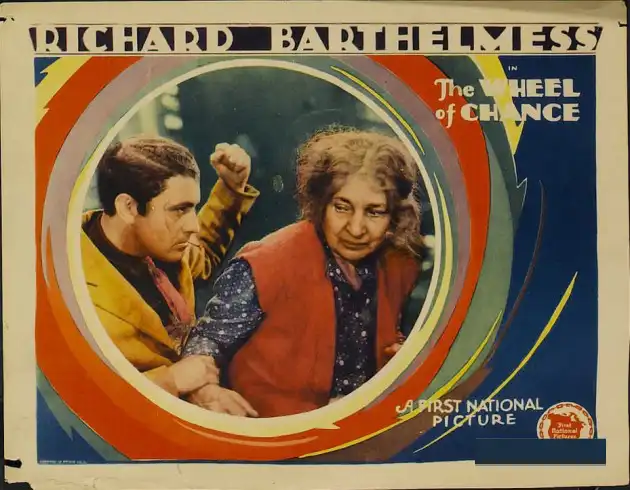
Wheel of Chance is one of those silent films that’s probably more interesting for its historical context and the sheer audacity of its melodrama than for being a truly great movie. If you’re a silent film enthusiast, especially one who appreciates a good dose of family drama, mistaken identities, and courtroom theatrics, then yes, it's absolutely worth your time. You’ll probably hate it if you need constant action, perfectly logical plots, or dialogue that doesn't rely on title cards to convey some truly wild declarations. This one asks a lot of its audience, but it delivers on its own terms.
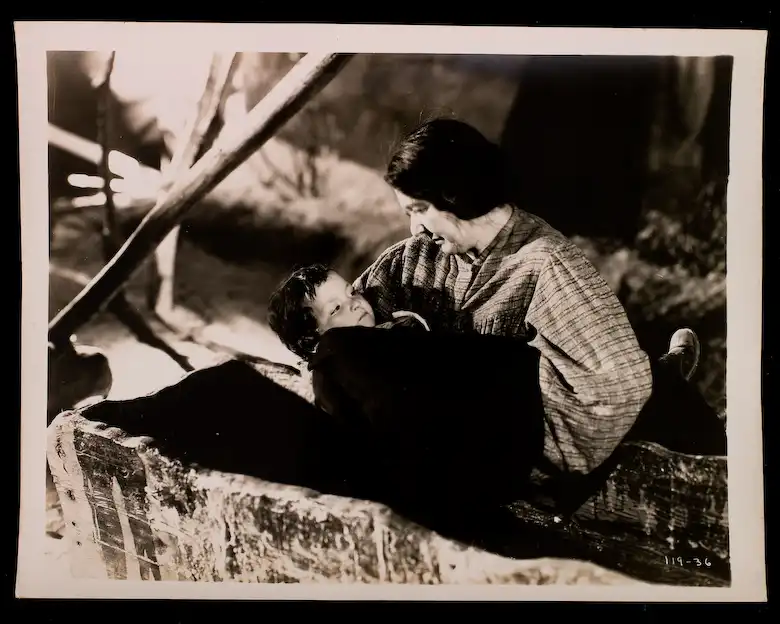
The film opens with the Turkeltaub family in Russia, just before the revolution. It’s a bit of a whirlwind, trying to establish the family dynamics and the impending political upheaval. There’s a scene where the twin boys, Schulke and Nicholai, are playing, and then suddenly Schulke is just… gone. It feels a little abrupt, like the movie knows it needs to get to the American part quickly and rushes past a moment that should feel truly devastating. Bodil Rosing, as the matriarch, does a lot of heavy lifting here with just her expressions, but the editing almost undermines her.
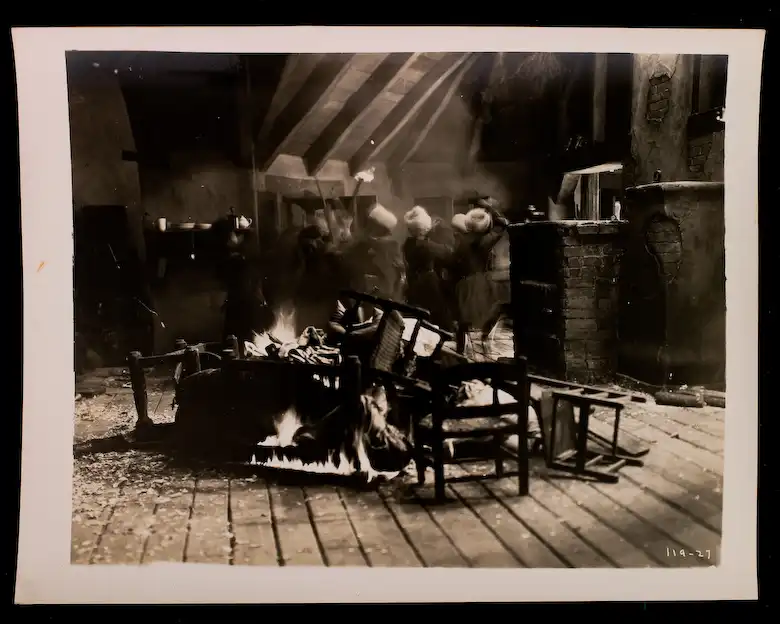
Then, flash forward. The family is in America, and they’ve done quite well for themselves. Nicholai, played by Richard Barthelmess, is now a District Attorney. Barthelmess has this earnest, almost boy-scout quality that works for the crusading DA, but sometimes his reactions feel a little too big, even for a silent film. Like he's constantly on the verge of either a grand pronouncement or a complete breakdown. It's charming in a way, but also a bit exhausting.
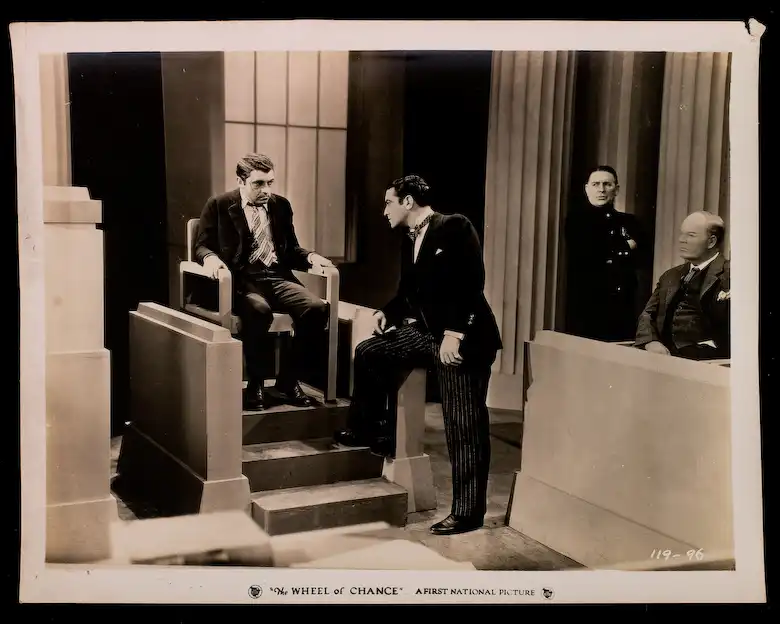
The whole setup for the central conflict is a little clunky. Nicholai is prosecuting Jacob Talinef, a small-time gangster. The connection? Talinef killed a former girlfriend of Nicholai’s. This detail feels shoehorned in to give Nicholai a personal stake, but it’s almost immediately overshadowed by everything else that happens. You can almost feel the writers trying to convince you this particular motivation matters, but it quickly gets lost in the shuffle.
When Talinef, played by Warner Oland, finally appears, he's exactly what you'd expect: menacing, theatrical. Oland has a real presence, and he makes every sneer count. The courtroom scenes are where the film really starts to lean into its melodramatic core. There’s a lot of pointing, gasping, and dramatic reveals via title card. One particular reaction shot of a juror, when a piece of evidence is presented, lingers so long it becomes funny. Was that intentional? Hard to say, but it got a chuckle out of me.
The pacing during the investigation part of the film is a bit uneven. Some scenes feel like they drag, with characters staring intently at objects for what feels like an eternity, trying to convey deep thought without a clear narrative purpose. Then, suddenly, a major plot point will be dropped in a title card without much build-up. It's a jarring rhythm that makes you wonder if some reels got lost over the years.
There's a scene with Martha Franklin, who plays the former girlfriend, in a flashback, and her portrayal feels very much of its time, almost a caricature of a 'fallen woman'. It’s a small role, but it highlights how much the film relies on established archetypes for its emotional shorthand. Lina Basquette, on the other hand, playing Nicholai’s love interest, has a more nuanced performance, even if her role is mostly to look worried and supportive.
The background details in some of the city shots are interesting. You get a real sense of a bustling, slightly grimy New York. Not just the main action, but the extras wandering around, the way storefronts are dressed. It grounds the otherwise fantastical plot in something tangible, even if the crowd scenes sometimes have this oddly empty feeling, like half the extras wandered off for a coffee break.
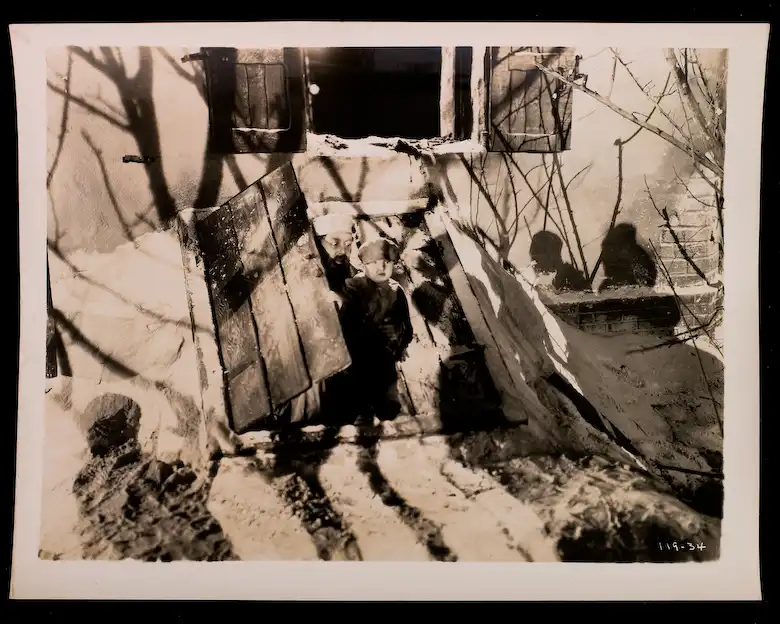
The film really picks up steam when it starts hinting at the big secret. The gradual realization, both for Nicholai and for the audience, that something truly bizarre is unfolding, is genuinely compelling. It's the kind of twist that would feel completely ridiculous in a modern film, but in a silent melodrama, it just works. You suspend your disbelief because the actors are selling the emotional weight of it, even if the logic is paper-thin.
Without giving away the central revelation, the dynamic between Barthelmess and Oland becomes surprisingly intricate. Their chemistry, or rather their anti-chemistry, is what drives the latter half of the film. You see the internal struggle in Barthelmess's character, the conflict between duty and something much deeper. It’s in these moments that the film transcends its earlier awkwardness.
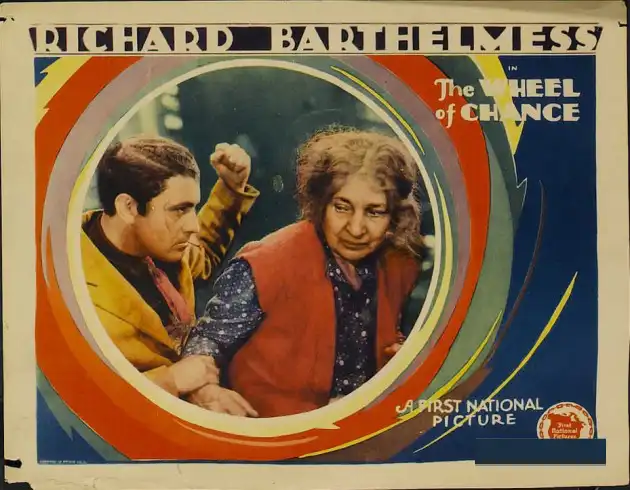
There are some really specific shots that stick with you. A close-up of a hand clutching a locket, for instance, or the way the light falls across a character's face when they’re making a difficult decision. These small visual choices elevate certain scenes, making them feel more intimate and impactful than the broader, more theatrical moments. It’s a reminder that even in grand melodrama, the small details can resonate.
Ultimately, Wheel of Chance is a fascinating artifact. It's imperfect, with its odd pacing and occasional overacting, but it’s got a heart to it. It’s a film that asks you to invest in its heightened reality, and if you do, it delivers a wild, emotional payoff. It’s not Sherlock Holmes in terms of tight plotting, nor A Woman of the World for its social commentary, but it carves out its own niche of dramatic excess. You leave it feeling like you’ve been on a journey, even if you had to forgive a few bumps along the way.
IMDb 5.2
1914
Community
Log in to comment.