DbcultAccessing Vault...
6.4/10
Senior Film Conservator
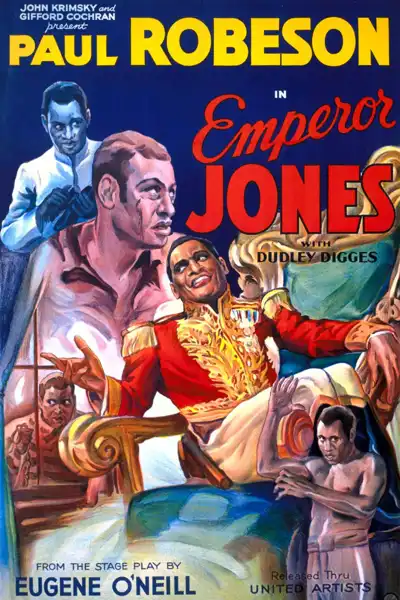
A definitive 6.4/10 rating for a film that redefined the boundaries of cult cinema. The Emperor Jones remains a cornerstone of transgressive art.
Alright, so, The Emperor Jones. Is it for you? Probably. If you’re into seeing a *really* important performance from a legend, or if you’re a film history buff, this one’s a must-see. But if you want something fast-paced or super subtle, well, you might find it a bit of a slog, honestly. It definitely asks you to meet it halfway. 🎬
It’s a 1933 film, right? Based on Eugene O'Neill's play. And you can feel that stage DNA all over it. The whole thing hinges on Paul Robeson as Brutus Jones, a guy who goes from a Pullman porter to an island emperor. His journey is what this movie is *all* about.
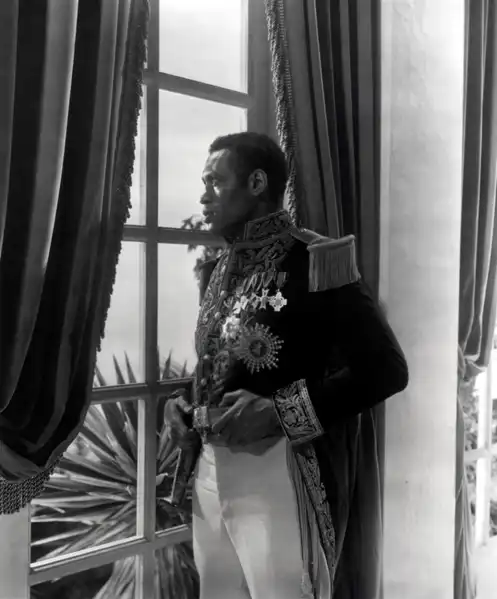
From the moment Robeson steps on screen, he just takes over. His voice, when he sings "Water Boy," is just… something else. It’s deep, resonant, and it fills the whole room. You can practically feel it.
He's got this swagger in the beginning, this confidence that’s almost too big for the screen. He charms, he bullies, he bluffs his way into becoming king. You believe him, even when he's clearly a bit of a scoundrel. 😂
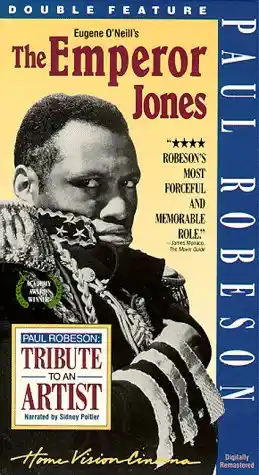
But the real meat of the film, and where it gets *really* interesting, is when Jones flees into the jungle. He’s lost his grip on the island, and then he starts to lose his grip on reality.
The film shifts from a character study to this almost fever dream. His mind unravels in front of us, piece by piece. He sees ghosts of his past, things he's done, things he’s feared.
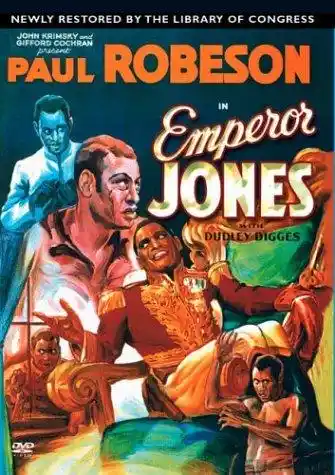
One scene, he’s running through the trees, totally panicked, and then he just stops. He’s seeing something, but we don’t. The camera just holds on his face, and his terror is *so real*. You don't need fancy effects when you have Robeson's raw acting.
The hallucinations are… well, they’re dated. Let’s be real. They use these superimpositions that probably looked wild back then, but now they just feel a bit clunky. You can almost see the gears turning in the special effects department. ⚙️
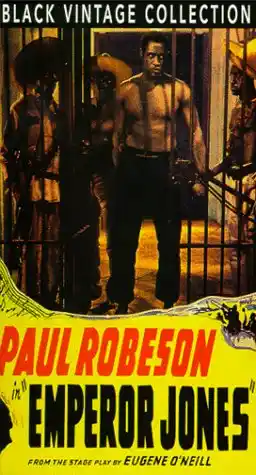
Still, they serve their purpose: showing Jones's mind slipping. He's talking to himself, reliving old crimes, seeing the people he wronged. It's a real descent.
There's this moment where he pulls out his gun and starts shooting at invisible figures. It's desperate and pathetic, a complete contrast to the powerful man he was just an hour earlier. It hits you.
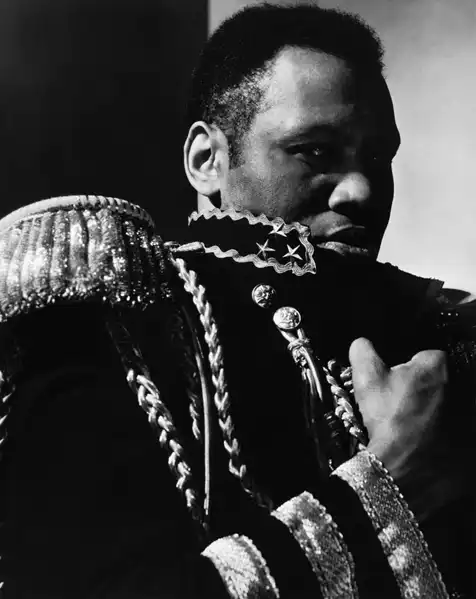
The pacing here is *slow*. Like, really slow. Sometimes a shot lingers for a beat too long, or a silence stretches out, and you might find yourself checking your watch. But then Robeson does something, a look, a grunt, and you're pulled right back in. He just commands your attention.
And let's not ignore the stuff that makes it tough to watch today. The portrayal of the islanders, for instance. It's a product of its time, full of stereotypes that make you wince. It’s part of the film’s history, but it doesn't make it any easier.
But you can't just brush it aside because of that. This film is a snapshot, a record. It shows us how things were, and it gives us Robeson, who was a giant, defying expectations in his own way.
The ending, when it comes, feels inevitable. There's no grand escape for Brutus Jones. Just the jungle, and his own unraveling mind. It’s not happy, not really. But it’s powerful in its tragedy.
So, yeah. Go in knowing what you’re getting: a stage play brought to early sound film, a bit rough around the edges, but anchored by a truly monumental performance. It's a piece of history, and Robeson makes it *sing*.
IMDb 6.8
1932
Community
Log in to comment.