DbcultAccessing Vault...
6.6/10
Senior Film Conservator
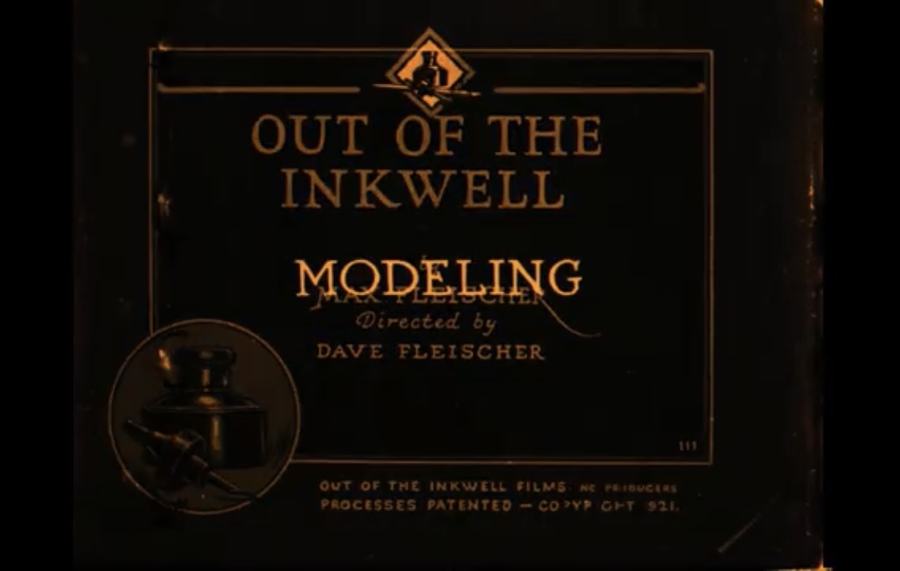
A definitive 6.6/10 rating for a film that redefined the boundaries of cult cinema. Modeling remains a cornerstone of transgressive art.
Modeling (1927) is a silent cinematic rebellion, a film that dares to question the boundaries between creator and creation. Directed by Max Fleischer and Roland Crandall, this 7-minute wonder is less a narrative than a conceptual explosion—a surrealist vignette where the very medium of art becomes the weapon of its own undoing. At first glance, it’s a whimsical tale of a mischievous clown disrupting a sculptor’s work, but beneath its playful veneer lies a searing critique of artistic hubris and the futility of imposing order on chaos.
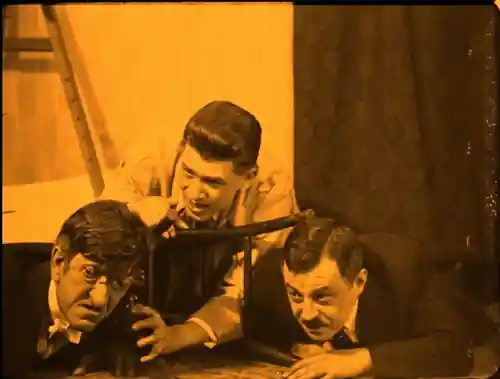
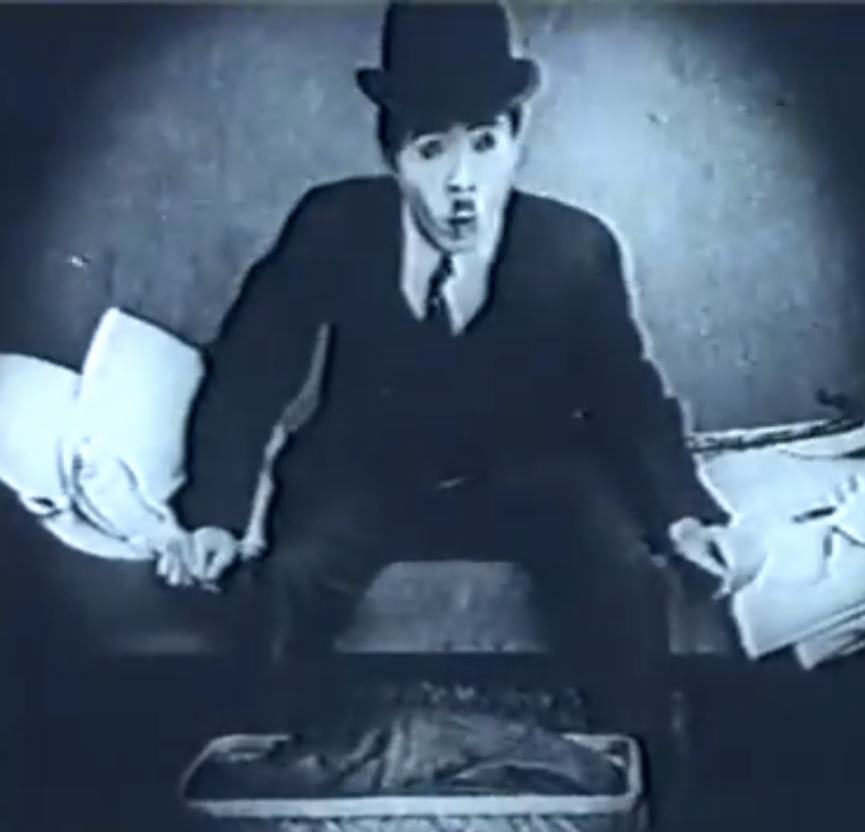
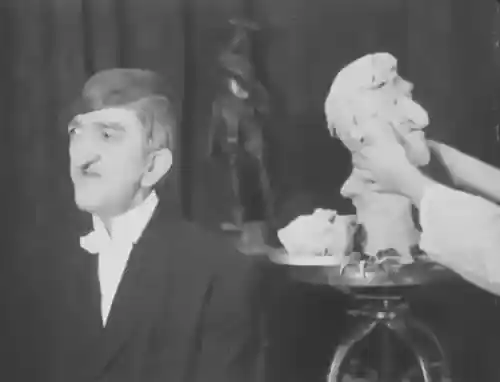
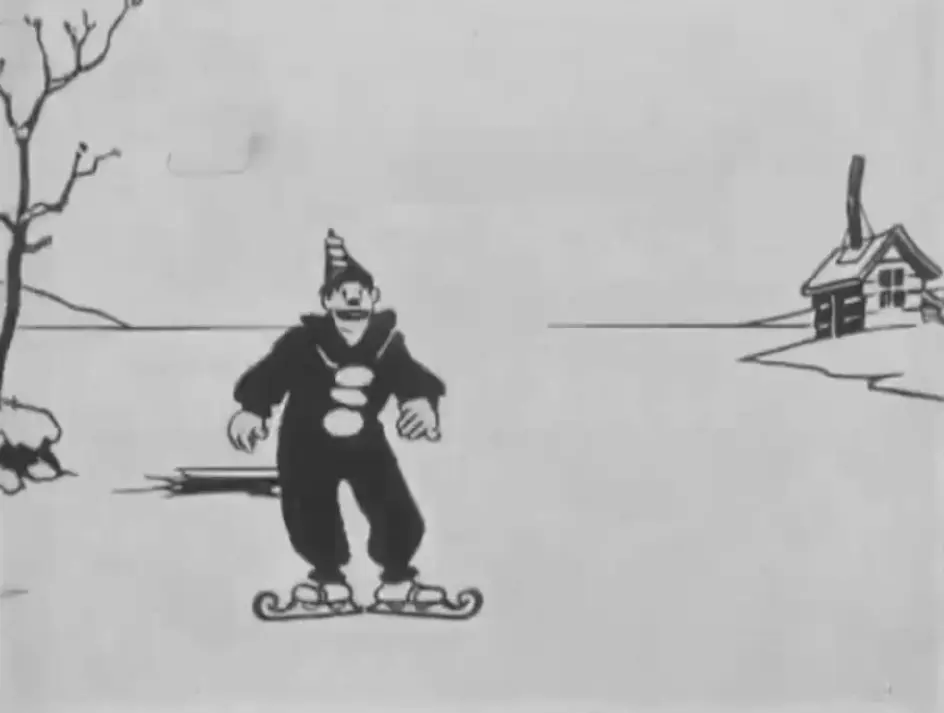
The film opens with the sculptor at work, his chisel a metronome against the hush of the studio. The clay, smooth and unblemished, is a blank hymn to potential. Enter the Clown—initially a flat, painted figure on a backdrop, his garish grin a static punchline. But as the sculptor’s tools clatter, the Clown begins to twitch, his edges blurring as if the paint itself is alive. In a moment of cinematic sleight of hand, he slinks into the wet clay of the sculptor’s bust, his two-dimensional form dissolving into the malleable medium. What follows is a silent, slapstick ballet of creative sabotage: the Clown warps the sculptor’s features, turning serene visages into grotesque, expressionist masks. The studio becomes a war zone of art forms, each medium vying for dominance over the other.
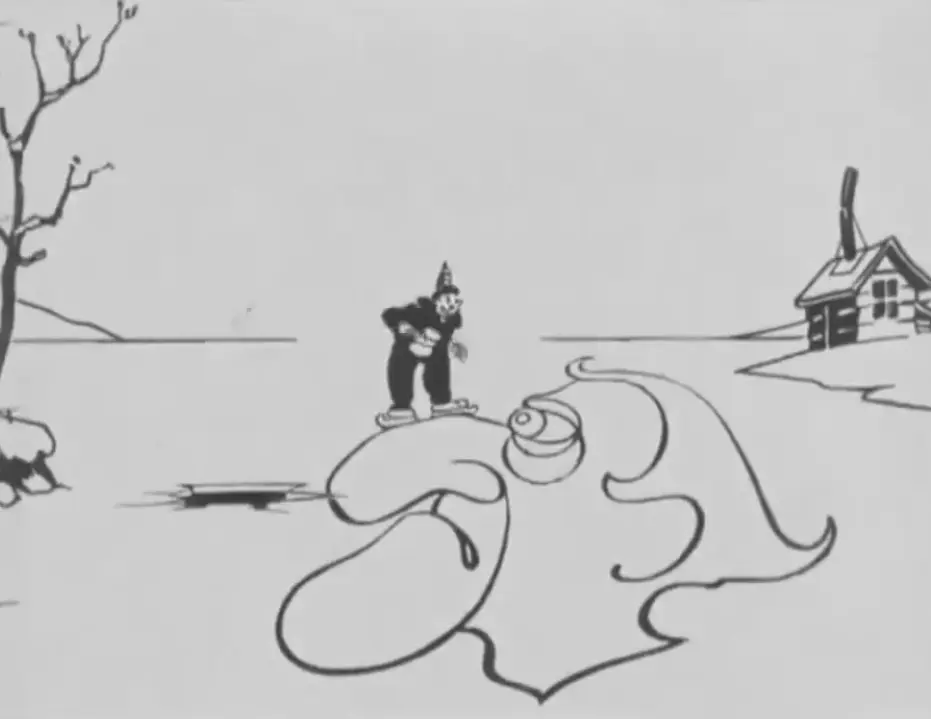
Fleischer and Crandall’s genius lies in their refusal to treat animation as mere entertainment. Instead, they weaponize its conventions—the flatness, the rigidity of drawn lines—to interrogate the very nature of artistic creation. The sculptor, a figure of traditional craftsmanship, represents the tactile, the tangible; the Clown, a creature of animation, embodies the ephemeral, the capricious. Their clash is not just aesthetic but philosophical. When the Clown invades the clay, he doesn’t just distort the sculpture; he exposes the fragility of the sculptor’s control. The wet clay, once a symbol of mastery, becomes a sieve through which the Cartoonist’s world seeps, a reminder that all art is permeable.
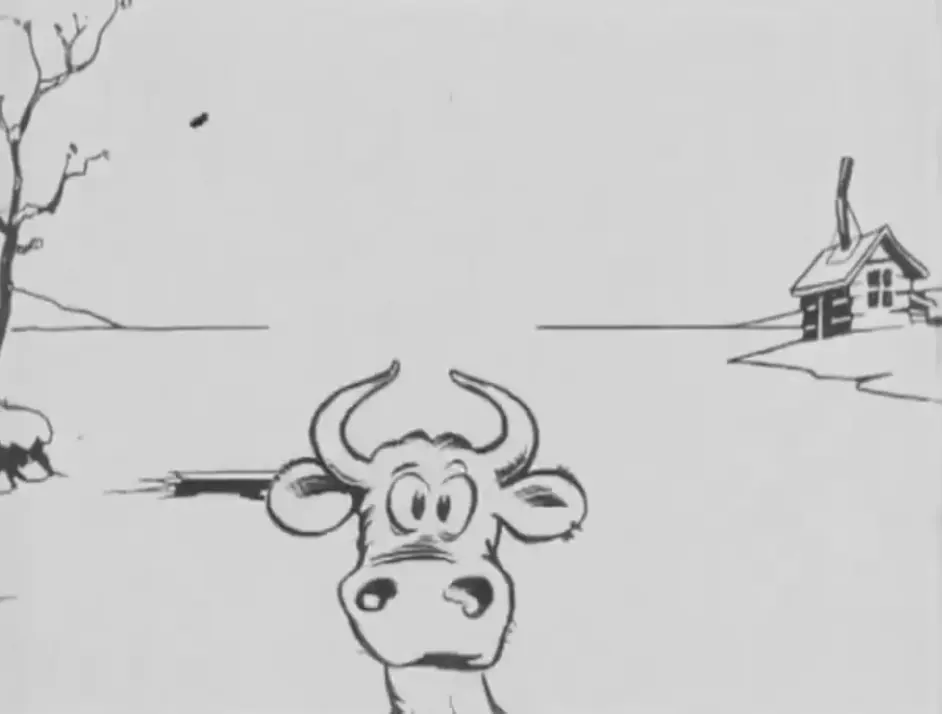
The film’s visual language is as audacious as it is precise. The transition from the Clown’s painted backdrop to his clay form is seamless, yet jarring—a paradox of fluidity and disruption. Fleischer’s use of negative space is particularly striking. The Clown’s absence from the backdrop is a void that reverberates through the studio, a silent scream in the silence of the film. When he reappears, it’s not as a character but as a force of entropy, a puppeteer pulling strings from within the clay itself. The sculptor’s tools, once instruments of creation, become props in a farce of futility, their rhythmic chiseling drowned out by the Clown’s anarchic laughter.
Comparisons are inevitable. The Absentee (1915) shares this preoccupation with characters escaping their frames, but where that film’s specters are tragic, the Clown here is a mischievous trickster, a Harlequin of the medium. The Governor (1920) also explores the tension between order and chaos, but Fleischer and Crandall elevate the theme to a meta-commentary on artistic process itself. If these films are dialogues with their predecessors, The Ragamuffin (1918) is a mirror held up to the audience, reflecting our own complicity in the illusion. Here, the audience is not passive but implicated in the Clown’s rebellion—their laughter fuels his antics, their attention a collaborator in the desecration of the sculptor’s work.
What elevates Modeling beyond a mere novelty act is its layered subtext. The sculptor’s struggle against the Clown is a metaphor for the artist’s battle with inspiration—the way ideas can mutate, defy control, and consume their creator. The wet clay, with its liminal state between solid and liquid, becomes a symbol of artistic vulnerability. It is both medium and message, a substance that resists permanence even as it is shaped into form. This duality is what makes the film resonate across decades: it speaks to the anxiety of influence, the fear that every creation is a provocation to the next.
Technically, the film is a marvel. Fleischer’s rotoscoping techniques, which would later define his work on Betty Boop, are already in evidence here. The Clown’s movements are unnervingly fluid, as if he were a marionette with no strings to bind him. The contrast between the rigid, chiseled lines of the sculptor’s work and the fluid, morphing forms of the Clown’s disruptions creates a visual tension that is both disquieting and mesmerizing. Even in silence, the film is a cacophony of conflicting textures: the dry scrape of the chisel, the wet squelch of the clay, the ghostly flicker of animation.
One cannot overstate the influence of Modeling on later surrealist works. The concept of characters breaking out of their frames, which would become a staple of films like The Hindu Nemesis (1920), finds its earliest and purest expression here. The film’s meta-awareness anticipates the self-referentiality of later directors like Jean Cocteau and Luis Buñuel, yet its roots are firmly in the silent era’s experimental spirit. It’s a film that feels both ahead of its time and deeply enmeshed in the cultural moment of the 1920s—a time of rapid technological change and artistic upheaval.
The film’s brevity only heightens its impact. At just seven minutes, Modeling is a concentrated distillation of ideas, a cinematic haiku that lingers long after the screen goes dark. It invites multiple viewings, each revealing new layers of meaning in its visual and thematic juxtapositions. The final shot—the sculptor, defeated, staring at his ruined work—is not an end but a question: What is art if not a negotiation with chaos? In answering, the film leaves us with a paradox as inescapable as the Clown’s grin: that the very act of creation is an admission of impermanence.
For those seeking a deeper dive into Fleischer’s oeuvre, Her Mad Bargain (1925) offers a similar exploration of character agency, while Bought (1925) expands on themes of artistic integrity. But Modeling remains the pinnacle, a film that transcends its era to speak to the eternal conflict between form and formlessness. It is a testament to the power of animation not as a medium of escapism, but as a space where art can interrogate itself, and where the line between creator and destroyer blurs into a single, indelible smear of clay.
IMDb —
1922
Community
Log in to comment.