DbcultAccessing Vault...
Cult Review
Senior Film Conservator
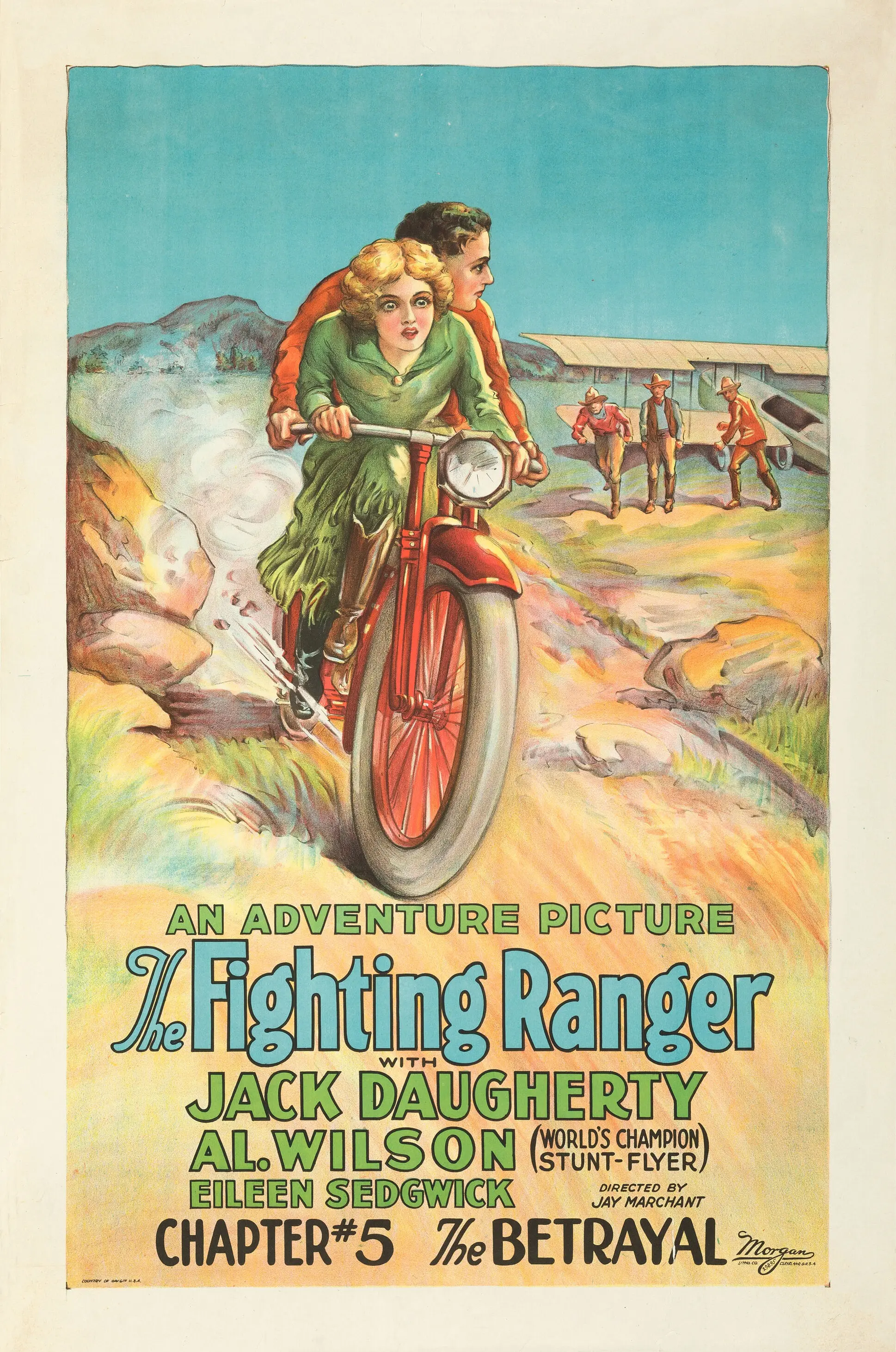
Is 'The Fighting Ranger' a relic best left in the archives? Short answer: For those with a deep appreciation for early Westerns and silent-era storytelling, absolutely. But if you're seeking modern pacing or crisp dialogue, this isn't your frontier.
This film carves out a niche for itself amongst enthusiasts of silent cinema, particularly those fascinated by the nascent stages of the Western genre, offering a compelling glimpse into early cinematic tropes and narrative construction. However, it will undoubtedly test the patience of viewers accustomed to contemporary narrative speed and sophisticated character development.
The Fighting Ranger, for all its vintage charm and narrative simplicity, manages to weave a surprisingly intricate web of loyalty, betrayal, and hidden fortunes. At its heart lies John Marshall, a man driven into the wilderness not by guilt, but by the injustice of a political system that would punish him for a righteous act of self-defense. This premise alone sets a compelling stage, immediately drawing the audience into a world where justice is a commodity, not a given.
The film’s central antagonist, 'Topaz' Taggart, is a wonderfully archetypal villain, embodying the cunning and ruthlessness often found in early cinema. His desire for Marshall’s ranch, fueled by the legend of a buried treasure, provides a clear and potent conflict that propels the narrative forward. It's a classic setup: the innocent, isolated family against the avaricious, politically connected foe.
The introduction of Terrence O’Rourke, the titular fighting ranger, serves as the catalyst for Marshall and Mary’s eventual resistance. His accidental arrival, a literal drop from the sky, injects new blood and purpose into their quiet, desperate existence. Mary’s role in nursing him back to health is a foundational romantic trope, but it’s effective here, establishing a bond that quickly elevates O’Rourke to protector status.
Beyond the core trio, the supporting characters – the loyal Miguel, the enigmatic Yaqui guardian, and the tramp aviator Bud Hughes – add layers of texture to the narrative. While some might argue these roles lean heavily into stereotypes of the era, they function within the film’s established universe, contributing to the sense of a community, albeit a fractured one, coalescing around the Marshall family.
Silent films demand a unique form of acting, relying heavily on exaggerated gestures, facial expressions, and physical presence to convey emotion and intent. In 'The Fighting Ranger', Eileen Sedgwick, as Mary, delivers a performance that oscillates between innocent vulnerability and nascent strength. Her expressions are often broad, as was typical, but within that framework, she manages to convey a genuine warmth and resilience that makes her character endearing.
Consider the scenes where Mary tends to the wounded O'Rourke. Sedgwick’s gestures – the gentle touch, the worried brow, the hopeful smile – speak volumes without a single intertitle needed. It’s a masterclass in silent communication, demonstrating why certain actors of this era were so captivating. Her portrayal is a cornerstone of the film's emotional accessibility.
Jack Dougherty, as Terrence O’Rourke, embodies the rugged, earnest hero archetype with commendable conviction. His physicality is key; the way he carries himself, his determined gaze, and his swift actions in moments of peril all contribute to a believable, if somewhat idealized, protagonist. There’s a particular scene, though not explicitly detailed in the plot, where his character might logically confront one of Taggart's henchmen. Dougherty’s stance, the squaring of his shoulders, and the directness of his gaze in such moments would have been crucial for conveying his resolve.
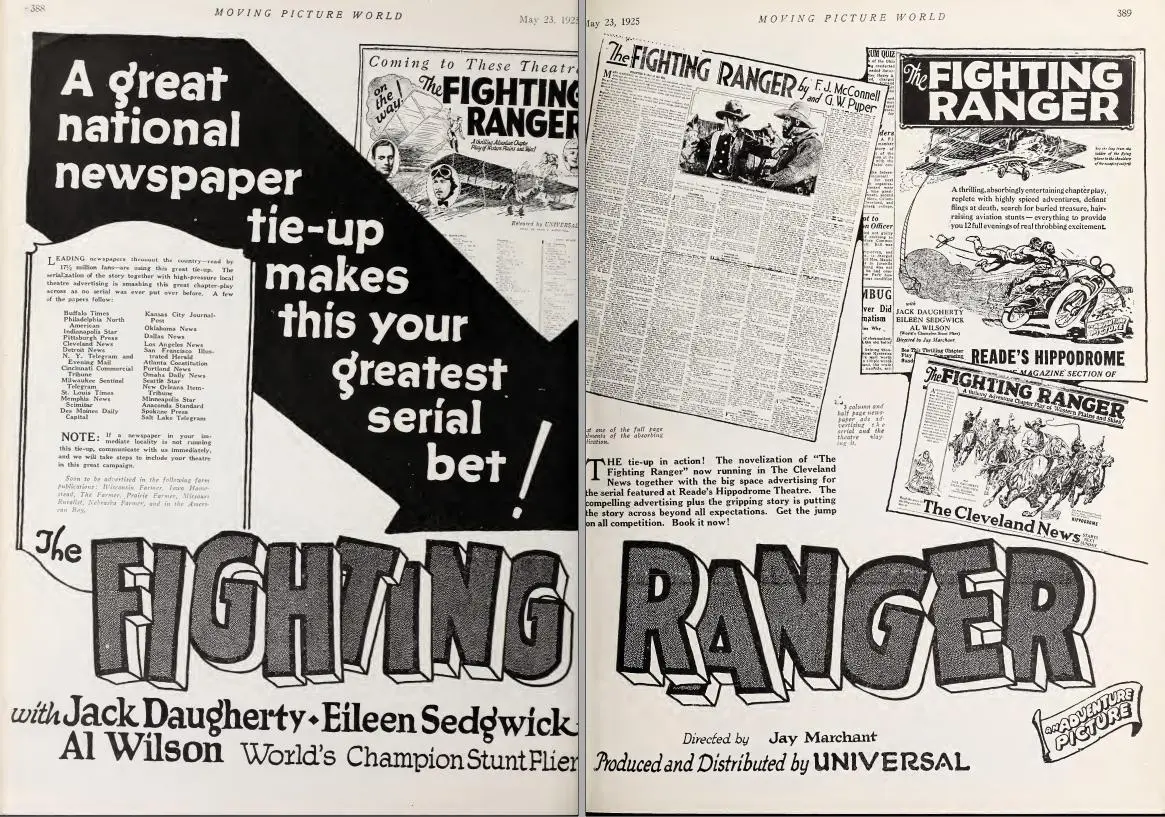
Charles Avery, as 'Topaz' Taggart, revels in his villainy. His performance, while adhering to the dramatic conventions of the time, injects a necessary theatricality into the proceedings. His sneers, his calculating eyes, and his overall demeanor leave no doubt as to his nefarious intentions. He is not a subtle villain, but then again, subtlety was not always the goal of early cinema, which aimed for clear moral distinctions.
The direction, likely by a collective effort given the era’s production methods, effectively utilizes the vast Western landscape. The 'fastness of the mountains' is more than just a backdrop; it becomes a character in itself, symbolizing both Marshall’s refuge and his prison. The sense of isolation is palpable, and the director (or directors) uses long shots to emphasize the grandeur and remoteness of the setting. This visual strategy grounds the narrative in a tangible, imposing world.
One particular strength of the direction lies in its ability to stage dynamic action sequences. While silent, the film implies a 'long series of disheartening experiences' and confrontations. These would have been orchestrated with a focus on clear visual storytelling, relying on chase scenes, fistfights, and possibly horseback pursuits to maintain audience engagement. The pacing, while slower than modern films, would have been considered brisk for its time, balancing dramatic tension with moments of scenic beauty.
The cinematography of 'The Fighting Ranger' would have been constrained by the technology of its era, yet it likely excelled in capturing the raw beauty of the American West. Black and white film stock, with its inherent contrasts, would have lent itself well to the rugged textures of mountains, the starkness of desert landscapes, and the dramatic interplay of light and shadow. Imagine sweeping vistas that establish the sheer scale of Marshall’s ranch and the isolation of his hideaway.
The use of natural light would have been paramount, creating a sense of authenticity. While specific innovations might be hard to pinpoint without viewing the film, early Westerns often leveraged sun-drenched plains and shadowed canyons to enhance mood and visual drama. This unadorned approach to visuals often imbues these films with a timeless quality, a raw honesty that modern digital cinematography sometimes struggles to replicate.
Pacing in silent films is an acquired taste for modern audiences. 'The Fighting Ranger' undoubtedly unfolds at a deliberate tempo, allowing for sustained emotional beats and the slow build-up of tension. While contemporary viewers might find certain sequences protracted, this measured rhythm was essential for allowing audiences to absorb the visual storytelling and the emotional weight conveyed through performance rather than dialogue.
The 'disheartening experiences' mentioned in the plot summary suggest a narrative arc filled with trials and tribulations, strung together with a pacing that would have maintained suspense while also giving breathing room to character development. It’s a different form of engagement, one that rewards patience and attention to visual detail.
For silent film aficionados, Western history buffs, and those curious about the foundational elements of American cinema, 'The Fighting Ranger' is absolutely worth seeking out. It offers a clear window into the narrative structures, performance styles, and thematic concerns that shaped an entire genre.
However, if your primary cinematic diet consists of fast-paced blockbusters, complex psychological dramas, or films with extensive dialogue, this might prove a challenging watch. It demands a different kind of engagement, one that appreciates visual storytelling over verbal exposition.
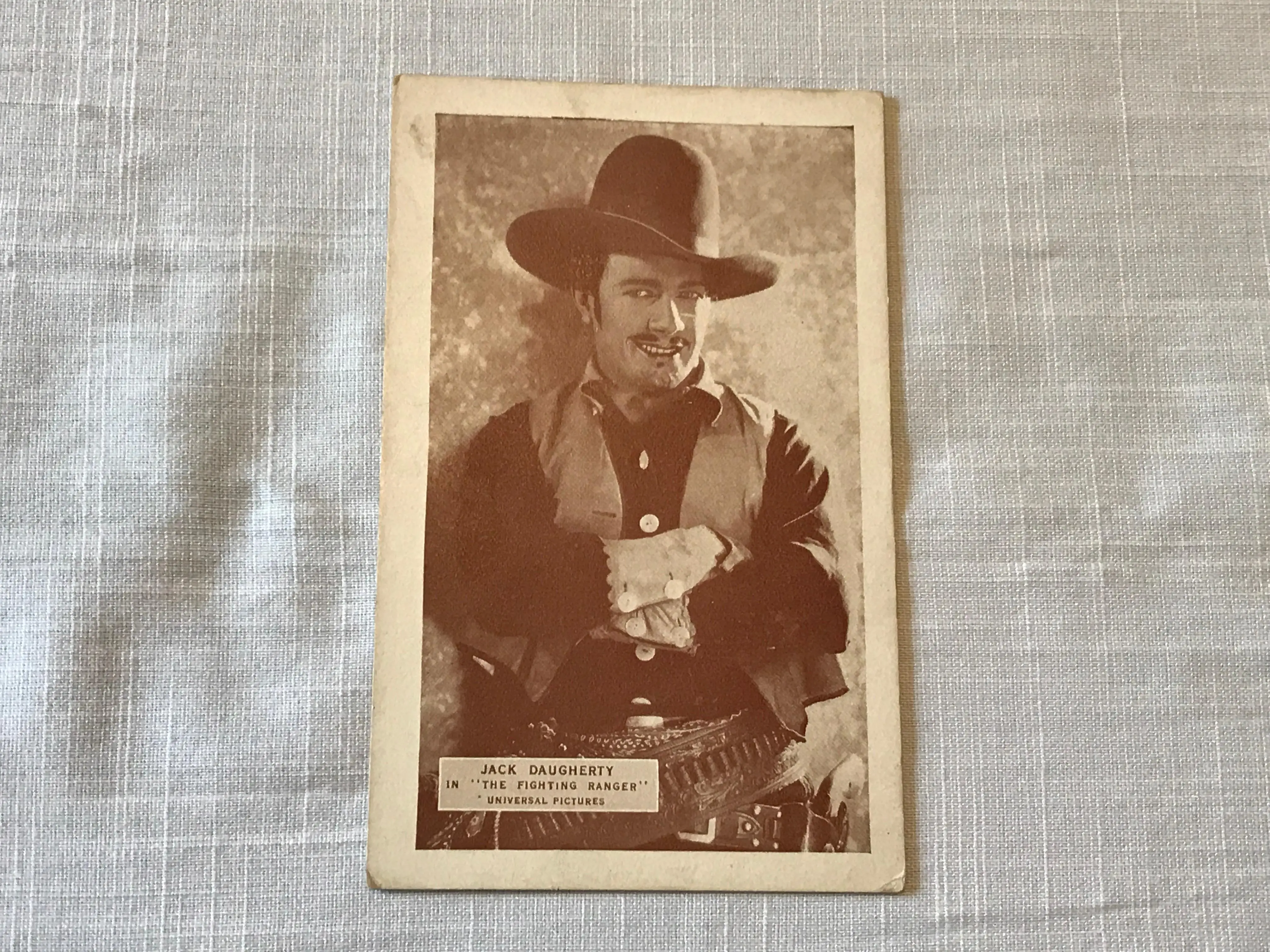
This film works because it distills the essence of the Western genre into its purest form: good versus evil, man against nature, and the fight for justice on the frontier. The clear stakes and archetypal characters provide a sturdy framework for its drama.
This film fails because its adherence to silent film conventions, while authentic, can feel alienating to modern viewers. The broad acting and deliberate pacing, while effective for its time, require a significant shift in viewing expectations.
You should watch it if you are interested in the historical evolution of film, appreciate the artistry of silent cinema, or simply enjoy a classic tale of heroism and villainy set against a rugged Western backdrop.
Beyond the surface-level adventure, 'The Fighting Ranger' touches upon themes that resonate even today. The concept of a justified act being criminalized due to 'political influence' speaks to a timeless concern about corruption and the abuse of power. Marshall's flight isn't just a plot device; it's a commentary on systemic injustice, a surprisingly sharp edge for a film of its era.
An unconventional observation here is the implicit commentary on land ownership and indigenous rights, subtle as it may be. The 'fabulous treasure guarded by an aged Yaqui, last of his tribe' introduces a layer of historical and cultural weight that transcends mere MacGuffin status. It hints at a deeper, more complicated history tied to the land, even if the film itself doesn't fully explore it. This element, though likely intended as exotic flavor, carries an unexpected socio-political undertone.
The character of 'Bud' Hughes, the 'one-time aviator now a tramp,' is another fascinating detail. This juxtaposition of modern technology (aviation) with the rugged, untamed West offers a unique bridge between eras. It suggests a world on the cusp of change, where old frontier values are beginning to intersect with burgeoning technological advancements, a detail rarely highlighted in such early Westerns. It’s a fleeting but powerful image: the fallen birdman in the land of horses.
The film, despite its age, takes a clear stance on morality. There's no ambiguity in Taggart's villainy, nor in Marshall's righteousness. This moral clarity, while perhaps simplistic by today's standards, is incredibly effective in delivering its emotional punch. It simplifies the world into understandable terms, allowing the audience to fully invest in the struggle.
It works. But it’s flawed.
'The Fighting Ranger' is more than just an artifact; it's a vibrant, if aged, piece of cinematic history that still holds a punch for the right audience. It’s a foundational text for understanding the Western genre, showcasing the raw power of visual storytelling before sound took over. While it demands patience and an appreciation for its era, the film delivers a robust tale of courage, villainy, and the enduring human spirit against a backdrop of untamed wilderness.
It’s not a film for everyone, nor does it pretend to be. But for those willing to immerse themselves in its unique rhythm, it offers genuine rewards: a clear narrative, earnest performances, and a profound sense of place. It stands as a testament to the enduring appeal of simple, strong storytelling. While you might find The Charm School a more lighthearted silent experience, or The Secret of the Moor a more mysterious one, 'The Fighting Ranger' offers a quintessential, if slightly rough-hewn, Western adventure. Go in with an open mind, and you might just discover a forgotten gem.
IMDb —
1925
Community
Log in to comment.